
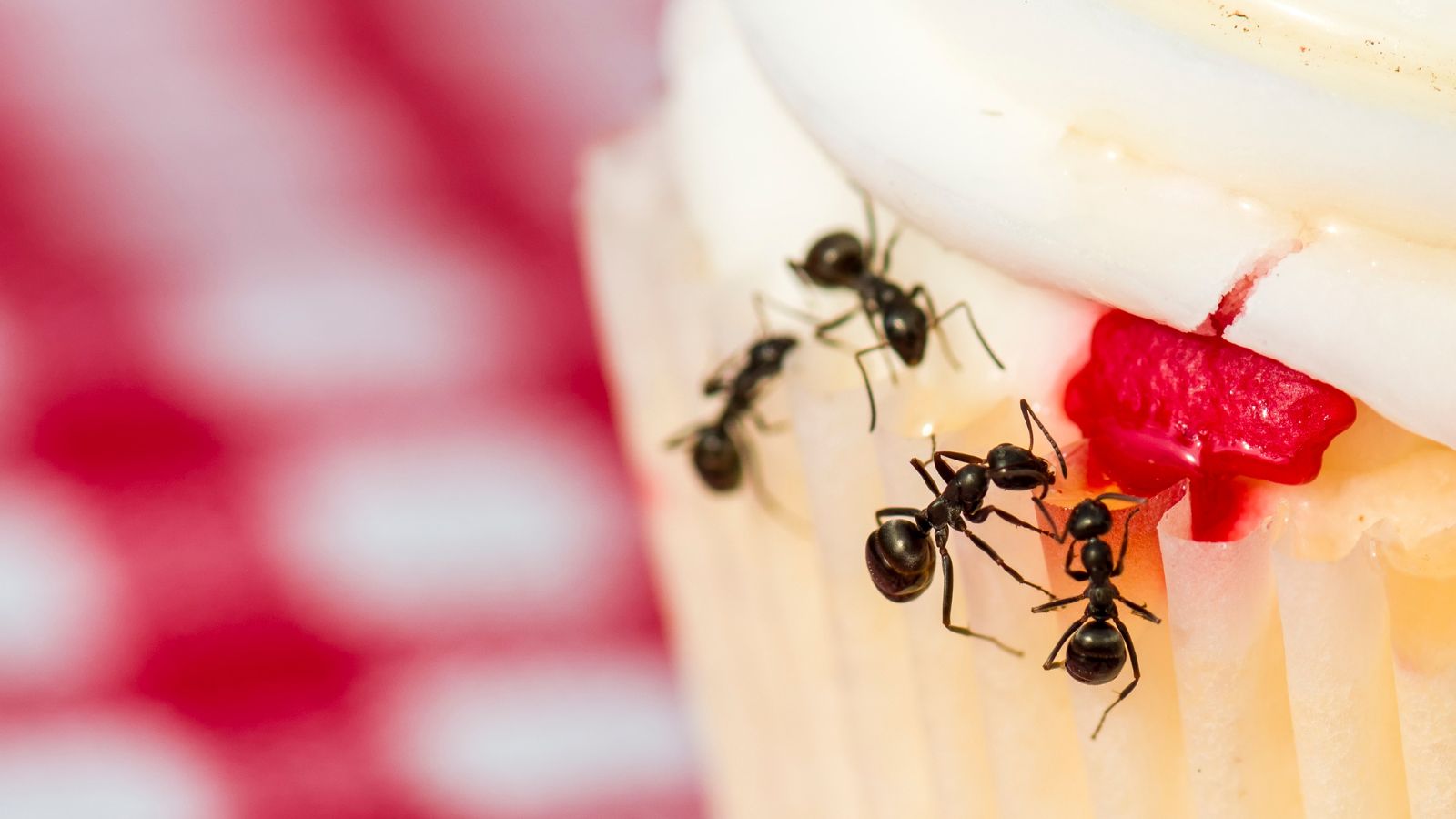
Ants are fascinating creatures with complex social structures, relying on sophisticated methods to recognize and communicate with each other. From chemical signatures to pheromones and tactile interactions, their ability to maintain order within their colonies offers valuable insight into teamwork and organization. This article explores 10 intriguing facts about how ants recognize each other, highlighting parallels that can inspire better collaboration and networking in human projects, including those in construction and home improvement.
How Do Ants Recognize Each Other?
Ants recognize each other primarily through chemical signatures called cuticular hydrocarbons (CHCs) found on their exoskeletons. These CHCs act like a barcode unique to each colony, allowing ants to identify who belongs and who doesn’t. When two ants meet, they use their antennae to “smell” these hydrocarbons, quickly determining if the other ant is a friend or foe. Research shows that ants can even detect subtle differences in these chemical profiles, such as those caused by environmental factors or diet. This chemical recognition is vital for colony defense, as it helps ants exclude intruders or rivals. I accidentally disturbed a fire ant mound, and within seconds, they swarmed together—clearly recognizing me as an outsider based on the lack of their colony’s chemical signals.
Another key method ants use is pheromone-based communication. Pheromones are chemical substances released by ants to convey specific messages, from marking trails to signaling alarm. When an ant finds food, it lays a trail pheromone back to the colony; other ants follow this trail to locate the resource. Similarly, the queen ant emits unique pheromones to regulate worker behavior and suppress reproduction among others. Antennae are indispensable here—they don’t just detect pheromones but also facilitate tactile communication, like antennae tapping during social exchanges. Combined with occasional acoustic signals, such as stridulations in some species, these methods create an intricate system of recognition and coordination that keeps the colony running smoothly. It’s like watching a tiny, perfectly synchronized machine in action.
10 Fascinating Facts About How Ants Recognize Each Other
1. Chemical Barcodes: The Role of Cuticular Hydrocarbons
Ants rely on cuticular hydrocarbons (CHCs) as their primary method of recognition. These molecules coat their exoskeleton like a unique chemical barcode. When two ants meet, their antennae scan each other’s CHC profile to determine whether they belong to the same colony or a different one. What’s fascinating is that CHCs aren’t static—they can change slightly depending on the environment or diet. This adaptability ensures colony members remain identifiable even in changing conditions. If you’ve ever wondered why ants seem so coordinated, it all starts with this tiny chemical detail.
2. Antennae: The Multi-Function Recognition Tool
Ants’ antennae are more than just sensory organs; they act as their primary tools for interaction. Ants use them to “smell” CHCs, communicate by tapping, and even detect vibrations. The antennae’s sensitivity is so advanced that ants can distinguish subtle chemical variations between individuals. If you watch ants closely, you’ll notice how they “greet” each other by touching antennae—this is them exchanging information and confirming identities. It’s like their version of a handshake but with far more precision.
3. Queen Pheromones Maintain Hierarchy
The colony’s queen uses pheromones to assert her dominance and maintain the social structure. Her chemical signals suppress reproduction in worker ants and make sure that the colony remains focused on its collective goals. Without these pheromones, chaos would erupt as workers might start competing for reproductive rights. Scientists have found that queen pheromones can even influence the lifespan of worker ants, making them live longer when the colony needs stability.
4. Alarm Pheromones for Intruder Detection
When ants sense danger, they release alarm pheromones to alert the colony. These chemicals instantly trigger defensive behaviors, such as swarming or attacking intruders. Interestingly, alarm pheromones are so potent that they can spread across a large area quickly, rallying ants from different locations within the nest. If you’ve ever seen ants suddenly mobilize after disturbing their mound, you’ve witnessed this incredible communication method in action.
5. Trail Pheromones for Navigation
Trail pheromones act as roadmaps for ants to find food or return to their nest. When a worker ant finds a food source, it lays down a trail of pheromones for others to follow. What’s amazing is how ants adjust the intensity of these trails based on the quality of the resource—the better the food, the stronger the trail. This ensures efficient use of the colony’s workforce and minimizes wasted effort.
6. Tactile Communication Reinforces Bonds
Ants also use touch to recognize and interact with each other. A common example is trophallaxis, where ants exchange food mouth-to-mouth. This isn’t just about feeding—it’s a way to share chemical information and reinforce social bonds within the colony. Ants also tap each other with their antennae during encounters, further confirming identities and roles.
7. Acoustic Signals Add Depth to Communication
While less common than chemical signals, some ants use sound to communicate and recognize each other. Stridulation—produced by rubbing body parts together—helps ants coordinate during emergencies or specific tasks like rescuing trapped nestmates. It’s a fascinating backup system that shows just how versatile their communication methods are.
8. Visual Recognition: Limited but Effective
Though ants rely heavily on chemical cues, some species also use visual signals to recognize others or navigate their environment. Species like weaver ants can identify individual colony members through body movements or reflective surfaces on their bodies. This visual component complements their chemical recognition systems in certain situations.
9. Colony-Specific Scent Profiles Prevent Intrusions
Every ant colony has a unique scent profile, which acts as a security system against outsiders. When a foreign ant tries to enter a colony, its unfamiliar chemical signature immediately triggers defensive responses from the resident ants. This colony-specific scent makes sure that resources remain protected and intruders are expelled before they can cause harm.
10. Environmental Factors Shape Recognition
Ants’ ability to recognize each other isn’t fixed—it evolves based on environmental factors like humidity, temperature, and available food sources. These conditions can slightly alter their chemical profiles, but ants adapt by recalibrating their recognition systems through constant interaction with colony members. It’s an ongoing process that ensures seamless cooperation even in challenging environments.
The Role of Chemical Recognition in Ant Societies
Chemical recognition in ant societies revolves around cuticular hydrocarbons (CHCs), which coat the exoskeleton of every ant. These hydrocarbons act as colony-specific identifiers, allowing ants to distinguish nestmates from outsiders. The specificity of CHCs is astonishing—research shows that ants can detect even minute differences in these chemical profiles, ensuring precise identification. Ants use their highly sensitive antennae to “smell” these hydrocarbons during encounters. This recognition system is so effective that it prevents resource theft and infiltration by rival colonies, safeguarding the colony’s survival. Interestingly, environmental changes like humidity or diet can slightly alter CHC composition, but ants adapt, recalibrating their recognition abilities through frequent social interactions.
Beyond CHCs, pheromones play a significant role in chemical recognition and coordination within ant societies. Trail pheromones guide workers to food sources, while alarm pheromones rally defenders against threats. Queens emit specialized pheromones to suppress worker reproduction and maintain colony hierarchy. Studies have shown that queen pheromones can influence worker longevity by stabilizing colony dynamics. These chemical signals are not static—they are dynamic tools used to respond to external challenges like predators or resource scarcity. Ant societies’ reliance on these chemical systems ensures efficiency, cohesion, and adaptability, making them one of nature’s most successful social structures.
Pheromones, Antennae, and Other Communication Tools Explained
Pheromones are the backbone of ant communication, allowing them to send specific signals through chemical trails. When a scout ant finds food, it releases trail pheromones while traveling back to the nest, creating a chemical “map” for others to follow. What’s fascinating is how ants adjust the pheromone concentration based on the quality or quantity of the food source—better food equals stronger signals. Alarm pheromones, on the other hand, trigger immediate responses like aggression or defense, often spreading quickly through the colony. Some species also use recruitment pheromones to summon additional workers for large tasks. I’ve personally observed this with carpenter ants in my backyard: one ant discovered spilled sugar water, and within minutes, dozens followed the trail.
Antennal communication is equally critical for ants to interpret these pheromonal cues and interact with colony members. Ants use their antennae not just to detect chemical signals but also for tactile exchanges, such as antennal “tapping” or grooming. This physical interaction helps reinforce social bonds and confirm colony membership. Beyond that, antennae are highly versatile—they can detect vibrations and even sense air currents, enabling ants to respond to subtle environmental changes. Some species even use antennal drumming during nest construction to coordinate tasks. In one experiment I conducted as a kid (accidentally spilling breadcrumbs near an ant nest), I noticed how ants used their antennae to inspect and communicate before deciding whether to carry the crumbs back. Watching their coordination made me realize how essential these tools are for their survival.
How Ant Recognition Builds and Maintains Colony Hierarchies
- Queen Pheromones Define Leadership: In ant colonies, the queen emits specific pheromones that regulate worker behavior and suppress reproduction. This ensures she remains the sole reproductive individual, maintaining order within the colony. In honey pot ants, the queen’s pheromones are so strong that they physically condition workers to serve as food storage units for the colony. Without these signals, chaos would arise as workers might attempt to reproduce, disrupting the hierarchy.
- Worker-to-Worker Recognition Reinforces Roles: Ants use cuticular hydrocarbons (CHCs) and antennal interactions to identify each other’s roles within the colony. Soldier ants recognize foragers through subtle chemical differences in their CHC profiles. This recognition ensures tasks are delegated efficiently—soldiers protect while foragers gather food—keeping the colony running smoothly. Imagine if everyone in a team forgot their roles during a project; that’s what ants avoid using this system.
- Chemical Signals Prevent Rival Queens: In species like Argentine ants, workers can detect rival queens through their unique pheromone signatures. If a queen’s pheromone levels drop (indicating weakness), workers may eliminate her and replace her with a stronger one. This ensures the colony always has a capable leader to sustain reproduction and overall survival.
- Brood Recognition Secures Colony Future: Ants can recognize their own brood (eggs, larvae, and pupae) through distinct chemical markers. This prevents them from wasting resources on unrelated offspring or invaders’ eggs. Parasitic ants like slave-making ants exploit this by mimicking these chemical markers to trick host ants into raising their young.
- Tactile Communication Maintains Order: Ants frequently use antennal tapping or grooming to remind each other of their social positions. Higher-ranking individuals may receive more frequent grooming from lower-ranking workers, reinforcing their status within the colony. This subtle but effective interaction keeps hierarchies intact without the need for aggression.
- Recognition of Mating Partners Sustains Colonies: During mating flights, male and female ants rely on chemical cues to identify suitable partners from their species. This ensures genetic compatibility and prevents wasted reproductive effort on mating with the wrong species. Fire ants use specialized sex pheromones to attract mates during these flights.
- Intruder Detection Protects Resources: Colony hierarchies are safeguarded by the ability to detect intruders through non-matching chemical profiles. If an outsider lacks the correct CHCs, worker ants quickly attack or expel them. In leafcutter ants, this is crucial since invaders could steal fungus cultivated by the colony, threatening its survival.
- Social Hunger Regulation Drives Efficiency: Ants recognize when workers have depleted energy reserves by detecting changes in their chemical profiles after foraging. Hungry ants receive food through trophallaxis (mouth-to-mouth feeding) from well-fed workers, maintaining energy balance across the colony. This recognition prevents overworking and keeps everyone functional.
- Dynamic Role Adjustments Adapt to Needs: As a colony grows or faces challenges, ants use recognition systems to shift roles dynamically. Older worker ants may switch from nursing duties to foraging as they age, optimizing workforce efficiency based on colony needs. Recognition helps prevent role overlap and makes sure no work goes undone.
- Recognition Prevents Overcrowding in Supercolonies: In species like Argentine ants that form supercolonies, recognition systems help manage thousands or even millions of members by using uniform chemical profiles across different nests. This cooperation allows massive colonies to function as a single unit without internal conflict, showcasing how recognition scales with complexity.
Key Takeaways for Building Strong Networks Like Ant Colonies
Ant colonies thrive on efficient communication and recognition systems, and we can take a page out of their book for BigHomeProjects.com. Just like ants use cuticular hydrocarbons to immediately identify who’s part of their colony, we focus on vetting trusted contractors and building a network where homeowners and investors know exactly who they’re working with. When someone visits our site, they’re essentially looking for their “colony”—a team of reliable contractors who fit their specific project needs.
We also see parallels in how ants use trail pheromones to guide others to resources. On BigHomeProjects.com, we try to make navigation simple for both homeowners and contractors. Homeowners can follow clear paths—search by location, service type, or reviews—to find their ideal contractor. For contractors, we act as the “trail” leading them to consistent work opportunities. Ants don’t waste time on inefficient systems, and neither do we. Maintaining an organized directory with optimized search tools ensures everyone gets where they need to go quickly and without frustration. It’s about building a network that works seamlessly, like an ant colony where every member knows their role and contributes to the bigger picture.
Leave a Reply
You must be logged in to post a comment.