
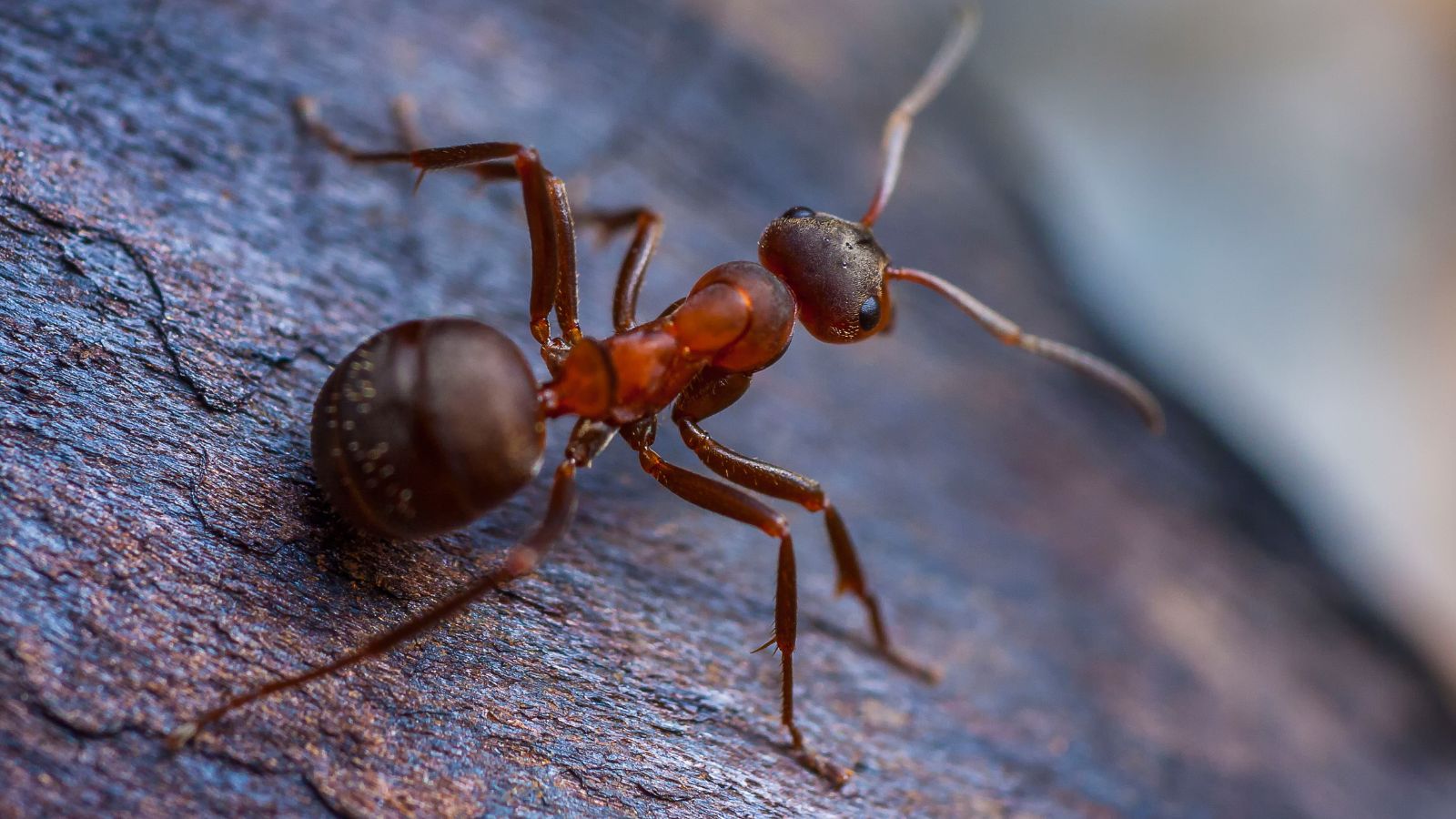
Dealing with kitchen ants can be a frustrating experience for homeowners. In this article, we will explore the most common types of kitchen ants, why they invade your space, and effective methods to control their presence. We’ll highlight how you can find trusted local contractors for pest control services through BigHomeProjects.com.
What are the most common types of kitchen ants?
The most common types of kitchen ants include odorous house ants, pavement ants, Argentine ants, Pharaoh ants, and little black ants. Odorous house ants are small, dark brown or black and emit a smell similar to rotten coconut when crushed. These ants are attracted to sweets and moisture, making kitchens a prime target. Pavement ants, on the other hand, are typically dark brown to black and can often be found along baseboards. They have a diverse diet that allows them to thrive in various environments. Argentine ants form large colonies and vary in color from light to dark brown. They also gravitate towards sugary substances. Pharaoh ants are tiny, light yellow to reddish-brown and prefer protein-rich foods and sweets, making your pantry an attractive spot for them. Little black ants, shiny and very small, consume a variety of foods including grease, meat, and fruit.
Identifying these species is essential for effective control. I dealt with an Argentine ant infestation in my kitchen. After some research, I noticed they were particularly drawn to a spill behind the fridge that I hadn’t cleaned up properly. This experience drove home the importance of maintaining cleanliness. To prevent these invaders, focus on removing food sources and sealing entry points. You’ll save yourself a lot of hassle by keeping your kitchen clean and using ant baits strategically to manage these pests effectively.
10 Kitchen Ants You Need to Know About for Effective Control
1. Odorous House Ants
Odorous house ants are notorious for their unique, rotten coconut smell when crushed. These small, dark brown to black ants are often found in kitchens, drawn to sugary foods and moisture. A lesser-known fact about them is that they can form multiple nests and colonies in close proximity, which makes them challenging to control. To effectively manage these ants, focus on sealing entry points and ensuring your kitchen is free of spills and crumbs. Consider placing bait stations near their trails, as they will carry the bait back to their nests, helping to eliminate the colony.
2. Pavement Ants
Pavement ants are typically dark brown to black and often invade kitchens in search of food. They thrive on a variety of foods, making them adaptable. One interesting aspect of pavement ants is their preference for nesting under sidewalks or driveways, but they will venture indoors for food. To keep these ants at bay, make sure to clean up any food debris and seal cracks in your home’s foundation where they might enter. If you notice them frequently, using a combination of bait and residual insecticides around entry points can help control their population effectively.
3. Argentine Ants
Argentine ants are light to dark brown and are known for forming large colonies that can overwhelm your kitchen if left unchecked. They are particularly attracted to sugary substances and can establish multiple nests, which complicates eradication efforts. One effective strategy is to locate their trails and apply bait stations along these routes. This method allows them to carry the poison back to the nest, targeting the queen and other workers. Maintaining a clean and dry environment will minimize their attraction to your kitchen.
4. Pharaoh Ants
Pharaoh ants are tiny and range in color from light yellow to reddish-brown. They prefer protein-rich foods, making them a common nuisance in kitchens with pet food. What sets Pharaoh ants apart is their ability to establish multiple colonies in one area, which can lead to severe infestations. To combat these pests, vacuum regularly to remove pheromone trails and consider using bait stations specifically designed for small ants. Keeping food sealed and stored properly is crucial in preventing their entry into your home.
5. Little Black Ants
Little black ants are shiny and very small, making them easy to overlook until they invade your kitchen. They consume a variety of foods, including grease and sweet substances. A unique aspect of little black ants is that they can thrive in both indoor and outdoor environments. To control their presence, it’s essential to clean surfaces thoroughly and eliminate any potential food sources. Using a combination of baits and natural repellents like vinegar or peppermint oil can deter these persistent invaders effectively.
6. Carpenter Ants
Carpenter ants are larger than typical kitchen ants and can be black or bicolored. While they primarily nest in wood, they will venture into kitchens for food. Their unique behavior includes hollowing out wood to create nests, which can lead to structural damage over time. To control carpenter ants, it’s vital to identify their nesting sites and address any moisture issues in your home. Sealing gaps in windows and doors can also prevent them from entering your kitchen.
7. Thief Ants
Thief ants are small and yellowish-brown, often mistaken for Pharaoh ants. They have a preference for greasy foods and are known for raiding other ant colonies for food. Their unique trait is that they often build nests near food sources in homes. To keep thief ants away, it’s essential to regularly clean your kitchen and eliminate any grease buildup. Using traps around suspected nesting areas can also help control their population effectively.
8. Sugar Ants
Sugar ants are typically light brown or black and are attracted to sugary substances found in kitchens. They are known for forming long trails that lead straight to their food sources. One lesser-known fact about sugar ants is that they can navigate using scent trails left by their fellow workers. To effectively manage these pests, ensure all food is stored in airtight containers and clean surfaces regularly with soapy water to eliminate scent trails.
9. Ghost Ants
Ghost ants are tiny and have a pale body with darker legs; they are often found in kitchens looking for sweet foods. Their unique feature is their ability to squeeze through tiny cracks, making them difficult to detect until they’ve already established a presence. To prevent ghost ants from invading, seal up any entry points around windows and doors and use bait traps specifically formulated for small ants. Keeping your kitchen tidy is also essential in minimizing their attraction.
10. Red Imported Fire Ants
Red imported fire ants are aggressive and can deliver painful stings if threatened. While they typically prefer outdoor environments, they can invade kitchens if food sources are available. A unique characteristic of these ants is their ability to form rafts during floods, which helps them survive adverse conditions. To manage fire ants in the kitchen, it’s essential to keep food sealed and tidy up any spills immediately. If you encounter them indoors, consider contacting a pest control professional due to their aggressive nature and potential health risks associated with stings.
Why Do Ants Invade Kitchens?
Ants invade kitchens primarily in search of food and water. They are attracted to crumbs, spills, and even sticky residues left on counters or floors. Ants can detect food sources using their keen sense of smell, which helps them locate even the smallest morsels. If you drop a piece of fruit on the floor and don’t clean it up right away, ants can find it quickly. They also look for moisture, so leaks under sinks or condensation can lure them in. This is why it’s essential to keep your kitchen clean and dry to reduce their attraction.
In addition to food and water, ants often enter kitchens because they are looking for shelter. Kitchens provide warmth and safety, especially during colder months. Ants can squeeze through tiny cracks and crevices in walls, windows, or doors to gain access. Once they find a good spot, they leave pheromone trails for other ants to follow, leading to more of them showing up. It’s crucial to seal any gaps and keep your kitchen tidy to make it less appealing for these little invaders.
Effective Methods to Control Kitchen Ant Infestations
To control kitchen ant infestations effectively, start by identifying their entry points. Follow their trails to find where they’re coming in, and seal these gaps with caulk or weather stripping. This prevents more ants from entering your space. Keep your kitchen clean by wiping down surfaces and vacuuming regularly to remove crumbs and food particles that attract ants. I had a problem with ants coming in through a small crack near my kitchen window. After sealing it up, I noticed a significant drop in their numbers.
Using baits is another powerful method for controlling ants. Place ant baits near their trails and entry points; these baits contain poison that worker ants will carry back to their colony, affecting the queen and other ants. It’s essential to avoid using sprays directly on the trails, as this can disrupt their pheromone communication and cause them to scatter, making it harder to eliminate the problem. Instead, let the baits do the work. For severe infestations, consider using a residual insecticide around baseboards and entry points. Always read the label carefully to ensure safety, especially if you have pets or children in your home.
Common Signs of a Kitchen Ant Problem
- Ant Trails: When you see a line of ants moving in a straight path, that’s a clear sign of an infestation. Ants follow pheromone trails laid down by other ants to find food or water. If you notice them marching from a crack in the wall to your kitchen counter, it’s time to take action and trace where they’re coming from.
- Food Packaging Damage: If you find holes in food packages, especially those containing sugar, grains, or pet food, this could indicate ants are getting into your pantry. They can easily chew through thin plastic or cardboard. Check for any signs of gnawing, and be sure to store food in airtight containers to prevent further access.
- Droppings: Ant droppings can look like tiny dark specks or grains and may be found near their nesting sites or along their trails. These droppings indicate that ants are actively foraging for food in your kitchen. If you spot these, it’s a good idea to start cleaning up and addressing the issue before it escalates.
- Nesting Sites: If you notice small piles of dirt or debris in hidden corners of your kitchen, this could be a sign that ants have set up a nest nearby. Ant nests can sometimes be found in wall voids or under flooring. Look for small mounds or clusters, which might require more in-depth inspection and treatment.
- Increased Activity During Certain Seasons: You might notice more ants during warmer months, especially in spring and summer when they’re actively foraging. This seasonal increase can signal that they’re looking for food and water sources inside your home. If you find them more frequently during these times, step up your prevention efforts to keep them at bay.
- Visible Ants on Surfaces: Spotting ants crawling on countertops, tables, or floors is a direct indication of a problem. If you see them out in the open, it means they’ve found a food source nearby. Take note of where you see them most often and clean those areas thoroughly to disrupt their access.
- Strange Odors: Sometimes, you might notice a peculiar smell that resembles rotten coconuts, particularly if you have odorous house ants nearby. This scent can become more pronounced if there’s a larger infestation. If you detect this smell in your kitchen, it’s worth checking for ant activity right away.
Find Trusted Local Contractors for Pest Control at BigHomeProjects.com
When you’re dealing with a kitchen ant problem, finding the right pest control professional can make a big difference. At BigHomeProjects.com, we help you connect with trusted local contractors who specialize in pest control. Our directory is designed to make your search easy and straightforward. Just enter your location and the type of service you need, and you’ll find a list of qualified professionals ready to tackle your ant issues. Each contractor has been vetted, so you can feel confident that you’re choosing someone reliable.
We know that dealing with pests can be stressful, and you want to make sure the job is done right. That’s why we provide detailed listings that include customer reviews, ratings, and contact information for each contractor. This way, you can compare options and choose the one that feels right for you. If you need someone to handle a small ant problem or a more extensive infestation, BigHomeProjects.com is here to help you find the best pest control professionals in your area, making it easier for you to get your home back to being ant-free.
Leave a Reply
You must be logged in to post a comment.