
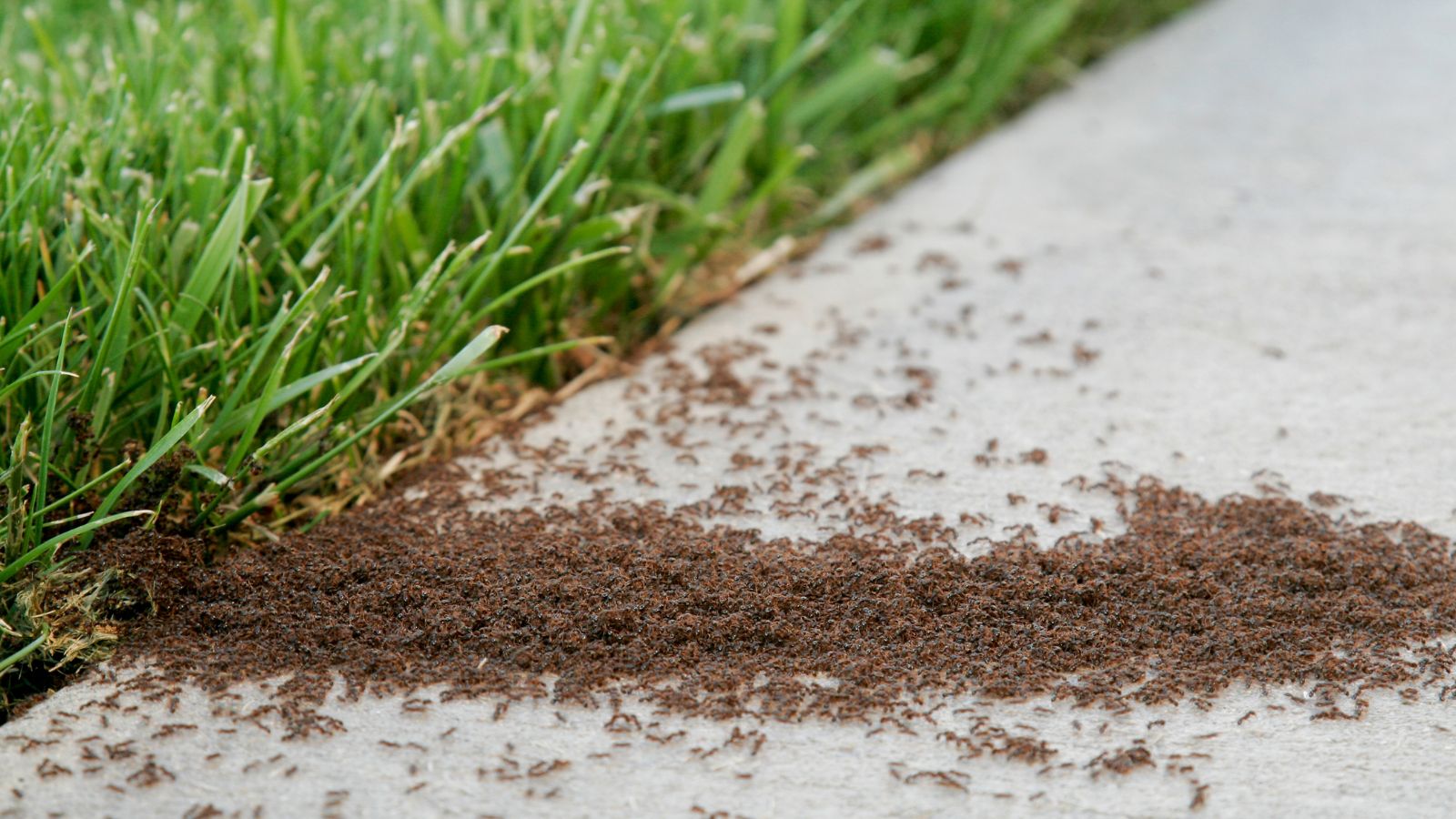
Ants may seem like harmless pests, but certain species can pose serious risks to both your health and your home. From transmitting diseases and causing painful allergic reactions to damaging wooden structures, these tiny insects can have a surprisingly large impact. In this article, we’ll explore the dangers ants can bring, how to identify potential issues, and how BigHomeProjects.com can connect you with trusted contractors to protect your home from ant-related damage.
Are Ants Dangerous to Humans?
Ants can indeed be dangerous to humans, depending on the species and the situation. Fire ants are known for their painful stings that can cause severe reactions in some individuals. If you’re allergic to venom, a sting from these ants could lead to anaphylaxis, which is life-threatening without immediate treatment. Bullet ants, found in Central and South America, are another story—they deliver stings so painful they’re often described as feeling like being shot. On top of that, ants like pharaoh ants can spread harmful bacteria such as salmonella and staphylococcus, posing a significant health risk, especially in places like hospitals where sterile conditions are critical. I had a friend whose kitchen was overrun by ants—they ended up contaminating open food packages, leading to a pretty serious bout of food poisoning.
Structural and agricultural impacts are other ways ants can indirectly harm humans. Carpenter ants, for instance, don’t eat wood like termites, but they excavate it to build their nests. Over time, this can weaken wooden beams or furniture in your home. I had an issue with carpenter ants in my garage once—they hollowed out part of a wooden shelf holding heavy tools, which eventually collapsed. Beyond homes, fire ants can devastate crops and make farm work downright dangerous. Agricultural workers often face the double challenge of protecting their crops from damage while avoiding painful stings during harvesting. Though these risks might seem minor at first glance, when infestations grow out of control or involve aggressive species, they can become major issues.
10 Surprising Ways Ants Can Be Dangerous to Humans
1. Disease Transmission
Ants like pharaoh ants are tiny but bring big problems, especially in hospitals and kitchens. These ants can carry pathogens like salmonella, staphylococcus, and clostridium on their bodies after crawling through trash, drains, or contaminated surfaces. If they find their way into your food or utensils, they can potentially spread these bacteria to you. Imagine accidentally eating food that an infected ant has walked on—it’s not just gross; it could make you seriously sick. To minimize this risk, keep your kitchen spotless, seal food containers tightly, and eliminate any entry points ants might use.
2. Painful Stings and Bites
Fire ants and bullet ants are infamous for their aggressive behavior and painful stings. A fire ant sting doesn’t just hurt—it leaves behind itchy pustules and can even lead to infection if scratched. Bullet ants take it up a notch with a sting so painful it’s been compared to walking across flaming coals with a nail in your foot. If you’re in an area where these ants are common, wear protective clothing and watch where you step. For a sting, keep antihistamines or a topical cream handy to reduce pain and inflammation.
3. Allergic Reactions
For anyone allergic to ant venom, one sting can be life-threatening. Fire ants, in particular, inject venom that can trigger anaphylaxis—a severe allergic reaction that might cause swelling, difficulty breathing, or even collapse. If you’ve ever had a reaction to a sting before, talk to your doctor about carrying an epinephrine injector (EpiPen). Prevention is key here—seal cracks in your home, avoid stepping barefoot in grassy areas, and stay alert when gardening or hiking.
4. Structural Damage
Carpenter ants may not eat wood like termites, but they’re experts at hollowing it out for their nests. Over time, this can weaken the structural integrity of your home. You might notice sawdust-like material near wooden beams or walls—that’s a sign they’ve moved in. I had to replace part of a deck because carpenter ants had burrowed through the support beams. Treat the infestation early by identifying their nest and using insecticides or calling a professional exterminator.
5. Food Contamination
Ants are relentless when they find food—whether it’s sugar spilled on the counter or crumbs under the toaster. The problem is that they often carry bacteria from unsanitary places onto your food. Even packaged items aren’t safe; I’ve seen ants chew through plastic wrap to get to snacks. To prevent contamination, store food in airtight containers and clean up spills immediately. A vinegar-water solution works well to wipe down surfaces and repel ants without harsh chemicals.
6. Agricultural Impacts
Fire ants and other species can wreak havoc on farms by damaging crops and attacking workers during harvesting. They’re drawn to seeds, fruits, and young plants, which can lead to significant losses for farmers. If you have a garden, you might notice plants wilting or fruit being damaged by these pests. To protect your plants, consider using ant baits or natural repellents like diatomaceous earth around your garden beds.
7. Respiratory Irritation
Some ants release formic acid or other chemicals that can irritate your respiratory system if inhaled in large amounts. This is rare but can happen during large infestations, especially if you try to remove them yourself using sprays or other irritants. People with asthma or allergies might feel the effects more acutely. Always wear a mask when dealing with infestations and consider using less invasive removal methods like bait traps.
8. Parasite Transmission
While rare, accidental ingestion of ants—especially in regions where hygiene standards are poor—can expose you to parasites or harmful bacteria. It sounds far-fetched, but this can happen when ants contaminate food or water supplies. If you’re traveling in areas where sanitation isn’t consistent, inspect your meals carefully and stick to bottled water.
9. Psychological Distress
A large ant infestation can be mentally exhausting. Imagine waking up to find trails of ants marching across your walls or into your pantry—it’s enough to stress anyone out. I spent hours trying to track down their entry point in my house after finding hundreds of them swarming my countertop. The key is staying calm: start by locating their nest and using bait traps to eliminate the colony gradually.
10. Indirect Dangers
Some ant colonies can undermine the ground beneath sidewalks, driveways, or even building foundations, creating hazardous conditions over time. Pavement ants can destabilize concrete slabs by tunneling underneath them. If you notice uneven surfaces or cracks around your property, it’s worth checking for ant activity nearby. Fixing the issue early could save you from costly repairs down the line.
Preventing Ant-Related Damage in Your Home with Trusted Contractors from BigHomeProjects.com
Preventing ant-related damage in your home starts with addressing the root causes, like entry points, moisture issues, and structural vulnerabilities. But let’s face it—not everyone has the time or tools to handle this. That’s where BigHomeProjects.com comes in. We connect you with trusted local contractors who specialize in pest-proofing homes and repairing damage caused by ants, like hollowed-out wood from carpenter ants or cracks in your foundation worsened by ant colonies. These pros know how to spot hidden nests, seal up entry points, and perform repairs that last. Whether it’s caulking gaps around windows or replacing weakened wooden beams, you’ll find someone on our site who can handle it.
We’ve also got contractors who can help prevent future infestations by improving your home’s overall condition. They can install proper drainage systems to eliminate standing water that attracts ants, or upgrade your insulation to block pests from sneaking in. You won’t need to guess who’s reliable—we vet everyone listed on BigHomeProjects.com so you can hire with confidence. Plus, if you’re dealing with a larger renovation project that includes pest control work, you can find contractors who offer bundled services. It’s all about making sure your home stays solid, safe, and ant-free while saving you the stress of a DIY fix.
Leave a Reply
You must be logged in to post a comment.