
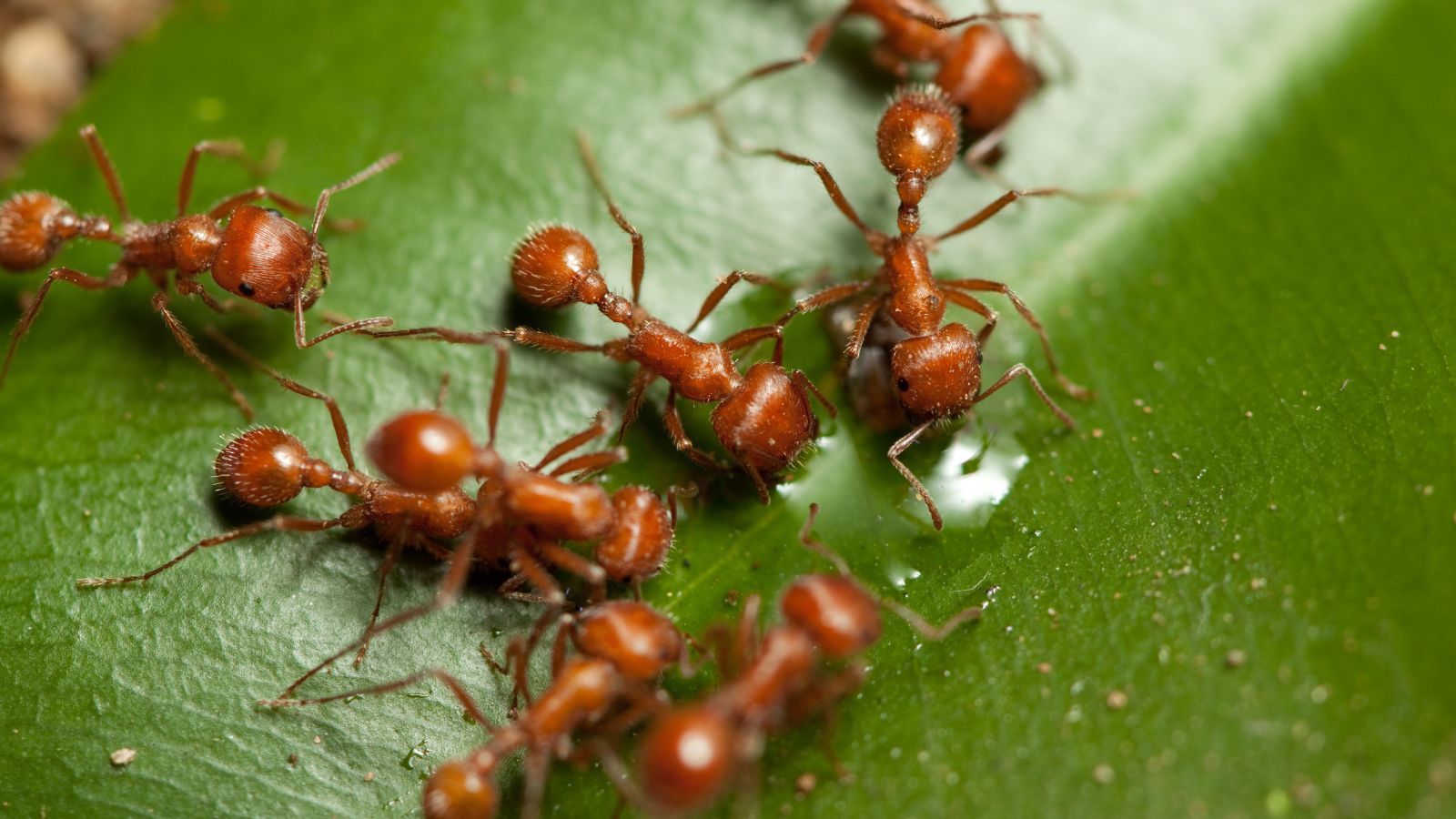
Ants are masters of adaptation, employing ingenious strategies to thrive and outcompete rival insects in their ecosystems. From niche partitioning and advanced foraging techniques to territorial defense mechanisms, these small creatures demonstrate remarkable survival tactics. In this article, we’ll explore 10 ways ants adapt to competition and uncover practical insights homeowners and contractors can take from nature’s most resourceful builders.
How Do Ants Compete with Rival Insects?
Ants compete with rival insects primarily through niche partitioning and strategic resource management. Specializing in specific food types, foraging times, or microhabitats allows ants to reduce direct competition with other species. Leafcutter ants focus exclusively on harvesting vegetation for fungal cultivation, while carpenter ants forage nocturnally to avoid diurnal rivals like bees. This level of specialization ensures efficient resource use and minimizes overlap with competitors. Territoriality also plays a huge role—ants use pheromones to mark boundaries, keeping competitors at bay. Once I observed fire ants staking out an entire garden bed, aggressively defending it from rival insects like ground beetles. Their territorial behavior wasn’t just physical; their pheromone markings were potent enough to deter even the most persistent invaders.
Defense mechanisms are another key aspect of how ants maintain dominance. Some species, like army ants, swarm rivals with sheer numbers, while others rely on venom or formic acid sprays to incapacitate threats. Invasive species like the Argentine ant leverage massive supercolonies to overwhelm native insects, wiping out competition almost entirely. Data shows that invasive ants can reduce native ant populations by up to 70% in some regions. More impressively, ants adapt their strategies based on past encounters. If an ant colony repeatedly faces aggressive rivals, they ramp up their own aggression or modify foraging patterns to avoid direct confrontations. It’s fascinating how ants seem to “learn” from experience—something I noticed while observing pavement ants navigate around wasps near a picnic area. They adjusted their routes daily, avoiding potential conflicts while still gathering food efficiently.
10 Ways Ants Adapt to Compete with Rival Insects
1. Niche Partitioning
Ants carve out their own space in ecosystems by specializing in resources or activities to avoid competing head-on with rival insects. Some ant species focus on scavenging dead insects, while others cultivate fungi or herd aphids for honeydew. You’ll even find ants dividing up time—some forage during the day, others at night. This strategy helps them secure resources while reducing overlap with competitors. If you’ve ever noticed ants ignoring a nearby food source, it could be because they’re sticking to their niche. It’s like ants know that overstepping boundaries will just waste energy in unnecessary fights.
2. Efficient Foraging
Ants are masters of organization when it comes to foraging. They use pheromone trails to guide colony members to food sources and recruit reinforcements when needed. This system not only saves time but also allows them to target resources more effectively than rival insects. Harvester ants can clear an entire patch of seeds in minutes, leaving nothing for competing herbivores. Try observing ants in your yard—they’ll often “scout” first before sending in their team, ensuring no effort is wasted. It’s like they’ve mastered logistics better than a delivery company.
3. Aggressive Territorial Defense
Ants don’t just claim space—they defend it fiercely with pheromone markers and physical aggression. Fire ants, for example, create chemical barriers so strong that many insects won’t even cross them. If rivals do intrude, expect a quick and coordinated counterattack. This defensive behavior makes sure that resources within their territory stay theirs. I accidentally stepped too close to a fire ant mound and watched as they swarmed to protect their turf—those little guys mean business when it comes to defending their home.
4. Cooperative Supercolonies
Some ant species like Argentine ants form supercolonies that operate as one massive unit, spreading across miles. These colonies overwhelm rivals not just with numbers but also with their ability to share resources and information seamlessly across a vast area. This gives them a huge edge over insects with smaller, isolated populations. Imagine an army working together across cities—that’s basically what these ants are doing, leaving no room for rivals to establish themselves.
5. Chemical Warfare
Ants deploy chemical defenses like formic acid sprays or venom to incapacitate rivals or deter predators. Wood ants, for instance, can spray formic acid up to a foot away, making them a formidable opponent even for larger insects. In some cases, ants use these chemicals to sabotage food sources, rendering them unusable for competitors. It’s a ruthless but effective way so that their colony stays ahead in the game.
6. Symbiotic Relationships
Ants often team up with other organisms to gain an edge over rivals. Some ants farm aphids for honeydew while protecting them from predators like ladybugs. This mutualistic relationship benefits both parties and creates a steady food supply for the ants. If you’ve ever seen ants crawling all over plants, chances are they’re tending to their aphid “livestock.” It’s like having your own garden while keeping pests at bay.
7. Flexible Diets
Unlike many insects with specific dietary needs, ants are opportunistic eaters, capable of thriving on a wide range of food sources. This adaptability allows them to outlast rivals during shortages or environmental changes. Leafcutter ants, for instance, grow their own food by cultivating fungi on chewed-up leaves, ensuring a sustainable supply even when vegetation is scarce. Ants’ ability to “make do” with whatever’s available gives them a serious survival advantage.
8. Rapid Reproduction
Colonies grow quickly thanks to the high reproductive rate of queen ants. This rapid population expansion allows ants to replace losses and outnumber competitors in contested areas. Some invasive species like the red imported fire ant are notorious for this—they can establish dominance in new environments almost overnight due to their fast reproduction cycle. It’s why controlling an ant infestation often feels like an uphill battle—they simply out-breed you.
9. Learning and Adaptation
Ants learn from experience and adjust their behavior accordingly, especially when dealing with rival insects. If a colony repeatedly loses access to a food source due to competition, they might change their foraging routes or timing to avoid conflict altogether. Once I watched pavement ants reroute entirely after losing several battles with bees over spilled soda—it was fascinating to see how quickly they adapted their approach to reduce losses.
10. Camouflage and Deception
Some ant species rely on stealth and trickery to outcompete rivals. Mimic ants disguise themselves as other insects to infiltrate enemy territories or steal resources undetected. Others use decoy strategies, such as creating fake nests to mislead predators or rivals. It’s not just brute force that keeps ants ahead—it’s also cleverness and the ability to stay one step ahead of the game.
How Foraging Strategies Give Ants a Competitive Edge
Ants leverage highly organized foraging strategies to outcompete rival insects, ensuring their colonies thrive even in resource-scarce environments. One key tactic is the use of pheromone trails, which act like GPS signals for their fellow workers. When a scout ant finds food, it lays down a chemical trail back to the colony, allowing others to follow the exact path. This system prevents wasted time and energy, giving ants a huge advantage over competitors like solitary insects that can’t coordinate. Some species, like desert ants, even use celestial cues combined with pheromones to navigate vast distances—a fascinating adaptation to harsh environments. I observed harvester ants near my home clearing a small field of grass seeds in under an hour, leaving nothing for crickets and beetles that arrived later. It’s all about efficiency; they work like a well-oiled machine.
Another competitive edge lies in their ability to dynamically adjust foraging behaviors based on environmental conditions. Army ants use swarm raids where thousands of workers move as a single unit, systematically stripping resources from an area before relocating. This behavior eliminates any chance for rivals to exploit the same space. On the flip side, trap-jaw ants employ solitary foraging paired with lightning-fast mandibles to catch prey before competitors have a chance. Data shows this strategy can reduce hunting time by up to 40%. Ants also adapt their methods seasonally; during dry periods, many species switch from surface foraging to underground tunneling to find moisture-rich resources. I saw pavement ants digging into cracks in concrete during summer droughts—it’s incredible how they know where to locate what they need without wasting effort.
Defense Mechanisms Ants Use to Protect Their Colonies
- Pheromone Marking for Territorial Defense: Ants use chemical signals to mark the boundaries of their territory, warning rival insects and even other ant colonies to stay away. These pheromone barriers create invisible fences that most competitors simply avoid. Fire ants are especially known for this tactic; their territorial pheromones are so strong that they can keep entire areas free of intruders. If you’ve ever seen ants suddenly stop and retreat while crossing a surface, chances are they hit one of these invisible borders.
- Venom and Chemical Sprays: Many ant species have evolved venom or defensive chemicals to incapacitate enemies. Bullet ants deliver excruciatingly painful stings packed with neurotoxins, deterring even large predators from approaching their nests. Wood ants, on the other hand, spray formic acid at rivals or threats, which can cause irritation or even paralysis in smaller insects. These chemical defenses make ants a formidable opponent that few insects dare mess with.
- Swarming Attacks: When an ant colony is threatened, many species rely on sheer numbers to overwhelm invaders. Army ants are notorious for mobilizing thousands of workers to swarm predators or rival colonies, using coordinated movements to outmatch threats. I watched a group of army ants dismantle a centipede in minutes—it’s a terrifyingly effective strategy that makes them nearly unbeatable when defending their nest.
- Structural Defenses: Some ants build physical fortifications around their colonies to deter intruders. Weaver ants, for instance, construct nests made of leaves bound together with silk produced by their larvae, creating a secure home high above ground-level threats. Other species like acacia ants occupy hollow trees or spiny plants, using the natural structure as a defense against larger predators or rival ants.
- Explosive Self-Sacrifice: In one of the most fascinating defense mechanisms, some ants literally sacrifice themselves for the good of the colony. Species like the Malaysian exploding ant rupture their bodies to release sticky toxins that immobilize attackers. While this tactic is fatal for the individual ant, it effectively protects the colony by neutralizing the immediate threat.
- Living Barricades: In tight situations, ants will use their own bodies as barriers to block entry points to their nests. Soldier ants stationed at nest entrances can physically plug the holes by wedging themselves in place. This strategy not only prevents rivals from entering but also allows workers inside to focus on other tasks without worrying about breaches.
- Decoy Tactics: Some ants use deception as a defense mechanism, creating false entrances or decoy nests to confuse predators. This tactic buys them valuable time to protect the real nest and rally their defenses. Trap-jaw ants employ similar strategies by luring rivals into vulnerable positions before striking with their lightning-fast mandibles.
- Rapid Relocation: When defense isn’t enough, some ant colonies simply move. Army ants, for example, are nomadic and relocate frequently to avoid sustained attacks or resource depletion. This ability to pack up and start fresh gives them a survival edge over rival insects that are tied to fixed locations.
- Alarm Signals: Ants use specific alarm pheromones to alert the colony when under attack. These signals trigger immediate defensive actions, such as swarming, retreating, or barricading entrances. You might have seen this in action if you’ve ever disturbed an ant nest—within seconds, hundreds of workers appear ready to defend their home.
- Ant-to-Ant Combat Training: Some ant species have been observed engaging in mock battles within their colonies, essentially preparing themselves for real conflicts with rivals. These practice fights improve coordination and readiness, ensuring that when a threat arises, every ant knows how to respond effectively.
Practical Adaptation Lessons from Ants for Your Home Projects
When it comes to home projects, ants teach us the importance of efficiency and resource management—two things that directly apply to our work at BigHomeProjects.com. Ants never waste effort or time; they plan their paths, prioritize tasks, and even allocate workers based on skill. Similarly, as a contractor listing site, we focus on helping homeowners and investors find the right professionals for the job without the hassle of trial and error. Think of it like hiring the best ant for the job—whether it’s a carpenter ant specializing in wood or a fire ant handling tough terrain. Connecting clients with trusted contractors who have specific expertise streamlines the process, ensuring no resources are wasted. This approach saves both time and money on projects.
Another lesson from ants is adaptability under changing conditions, which is something we emphasize with contractors on our platform. Ants adjust their foraging strategies based on environmental challenges, and we encourage contractors to do the same by diversifying their skillsets and staying flexible with client demands. If a contractor specializes in roofing but notices more demand for patio installations in their area, they can easily update their profile on BigHomeProjects.com to reflect their expanded services. This adaptability not only helps contractors secure more work but also ensures homeowners always find someone prepared to tackle their unique needs. Just like ants thrive by adapting quickly, we aim to help contractors and clients do the same in the ever-changing world of home improvement.
Leave a Reply
You must be logged in to post a comment.