
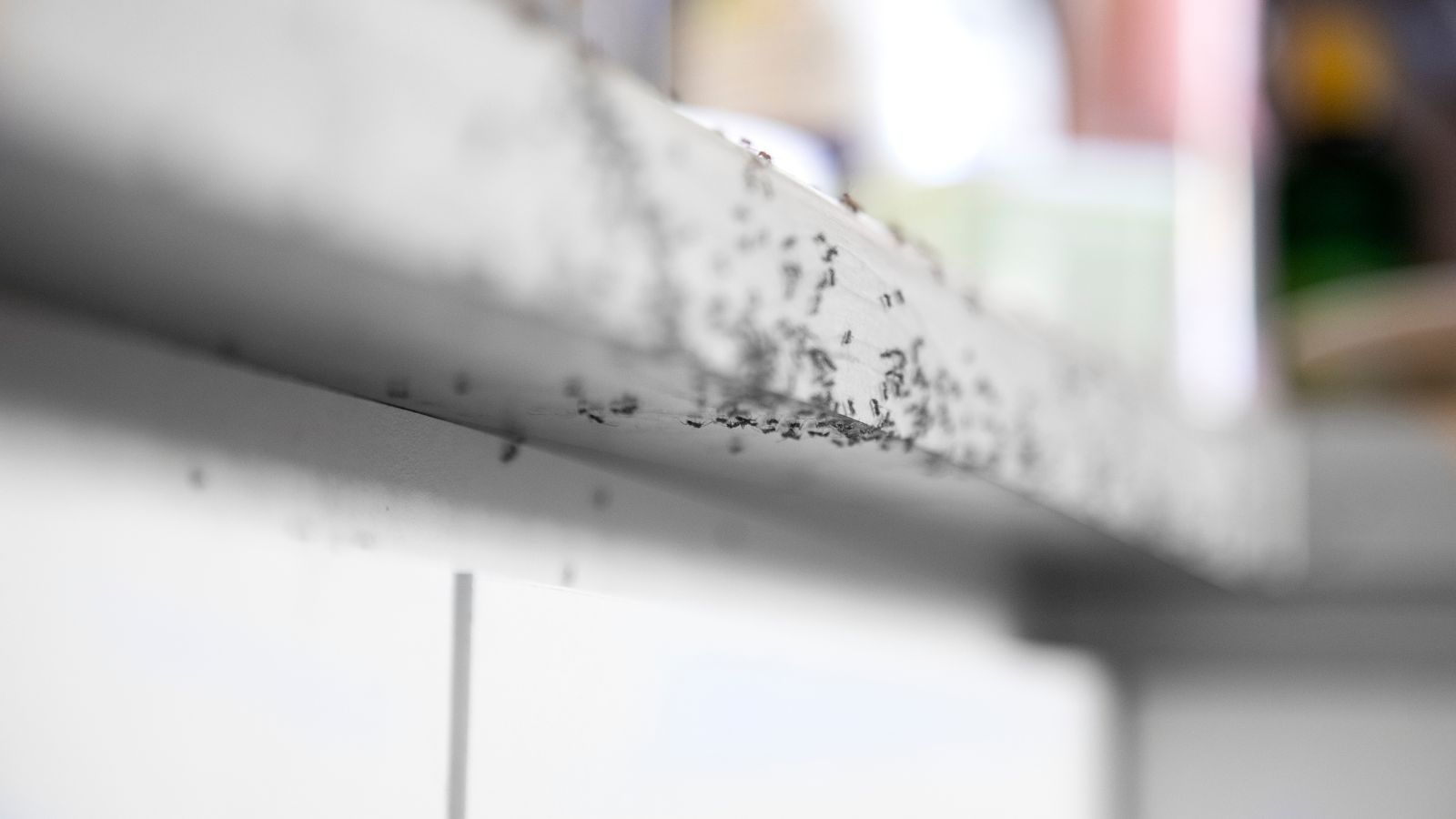
Dealing with ants in the bathroom can be frustrating and challenging, but with the right approach, it’s possible to effectively eliminate them. This guide explores five effective methods to rid your bathroom of ants, focusing on identifying entry points, utilizing natural and chemical treatments, and implementing additional control strategies. Following these steps and connecting with trusted contractors through BigHomeProjects.com will contribute to creating a pest-free bathroom environment.
How Can I Effectively Get Rid of Ants in My Bathroom?
To tackle the ant invasion in your bathroom effectively, start by identifying and sealing their entry points. Ants often sneak in through tiny cracks around plumbing fixtures, behind toilets, or around window frames. Trace their trails to find these gaps and seal them using caulk or steel wool to block further access. A thorough cleaning routine should follow. Ants are attracted to moisture and residue, so scrub all surfaces, including bathtubs and sinks, removing soap scum and ensuring that trash cans are emptied regularly. Repair any leaky faucets or pipes to eliminate excess moisture and increase ventilation by using bathroom fans to maintain a dry environment. These steps alone can significantly reduce ant presence.
Incorporating natural repellents like vinegar or essential oils is another practical approach. Prepare a spray with equal parts vinegar and water and apply it to ant trails to disrupt their scent paths. Alternatively, peppermint or tea tree oil mixed with water can be used as a spray or soaked into cotton balls placed strategically around the bathroom. For a more aggressive solution, consider a borax and sugar mix; place soaked cotton balls near entry points to eliminate ants at the source. I had a persistent ant problem that was solved by using diatomaceous earth around baseboards—it worked wonders! If natural methods don’t suffice, residual insecticide sprays or bait gels specific to ants can be effective. Just ensure you apply these products carefully in cracks and crevices where ants frequent.
5 Effective Ways to Get Rid of Ants in the Bathroom
1. Identify and Seal Entry Points
To kick off your ant eviction plan, find their sneaky entry spots. Ants love to crawl through unnoticed cracks around pipes, behind the toilet, or even tiny gaps in window frames. Grab a tube of caulk or some steel wool and seal these spots up. It’s like telling ants, “No entry!” for good. And here’s a unique tip: sprinkle talcum powder along potential entry points temporarily while you work on sealing them. Ants can’t stand crossing it, and it buys you time to tackle the root problem.
2. Clean the Bathroom Thoroughly
Next, it’s time for a deep clean. Ants are drawn to even the tiniest bits of moisture and residue, so scrub your bathroom surfaces thoroughly. Pay attention to less obvious places like the underside of sinks or the edges of your bathtub where soap scum loves to hide. Don’t forget to dry everything off, as ants thrive in damp environments. Use a bathroom fan to keep things aired out, reducing moisture that attracts them in the first place.
3. Use Natural Repellents
Using natural repellents is not only effective but also safe for your home. Try mixing equal parts vinegar and water in a spray bottle and spritzing it along ant trails. The strong smell confuses them and disrupts their scent paths. If you’re into essential oils, mix a few drops of peppermint or tea tree oil with water and apply it similarly. For a lesser-known trick, cinnamon works wonders—sprinkle it near entry points since ants dislike its strong scent, adding a pleasant aroma to your bathroom.
4. Employ Chemical Treatments
When natural methods aren’t enough, consider going chemical. Create a homemade bait using borax and sugar; ants take this mix back to their colony, which helps eliminate them at the source. Place soaked cotton balls with this mixture near ant trails or suspected entry points. For severe infestations, opt for commercially available insecticide sprays or gels designed specifically for ants. Apply these carefully in cracks and crevices where ants are most active, ensuring you follow safety guidelines.
5. Implement Preventive Measures
Finally, prevention is your long-term strategy to keep ants out for good. Regularly clean your bathroom, wiping down counters and sinks daily to remove any traces of food or moisture that might attract ants. Check for new leaks or areas of moisture that need fixing, keeping the bathroom environment dry and uninviting for ants. An often overlooked tip is storing toiletries in sealed containers; this prevents any enticing scents from luring ants back into your space.
Identify and Seal Entry Points
Ants are tiny, but they can enter through the smallest cracks and crevices. To stop them, you need to find out where they’re coming from. Look closely at places where walls meet the floor, around windows, and especially near pipes under the sink or behind the toilet. Ants often use these hidden spots to get into your bathroom. Once you spot these entry points, seal them up using caulk or steel wool. Caulk is like a thick paste that hardens and blocks the holes, while steel wool can be stuffed into larger gaps to keep ants out. This stops new ants from joining the party in your bathroom.
But just sealing isn’t enough—you have to make sure it stays that way. Over time, caulk can crack, and steel wool might rust or shift. So it’s important to check these areas every few months so that they’re still secure. You might also consider using weatherstripping tape around doors and windows for extra protection. This is a sticky tape that helps seal any small gaps that ants might sneak through. It’s a small investment that can save you from bigger pest problems down the road. Plus, keeping your bathroom dry and clean reduces the chances of ants finding it appealing in the first place.
Natural Repellents and Chemical Treatments
Natural repellents can be a great way to keep ants away without using harsh chemicals. You can mix equal parts vinegar and water in a spray bottle and spray it where you see ants. The strong smell confuses them and makes it hard for them to find their way back. Another cool trick is to use essential oils like peppermint or tea tree oil. Just add a few drops to water and spray it around doorways or windowsills. Ants hate the smell, and it makes your bathroom smell nice too! I used cinnamon to keep ants away in my kitchen—just sprinkle some near their paths, and they’ll avoid it.
If the natural stuff doesn’t work, you might need to use chemical treatments. One option is to make a bait using borax and sugar. Mix them with water, soak cotton balls in the solution, and place them where you see ants. The sugar attracts ants, and the borax is poisonous to them, so they take it back to their nest and share it with others. If you prefer store-bought solutions, look for insecticide sprays or gels specifically for ants. They’re usually effective if you apply them in cracks where ants travel. Remember to follow the instructions on the package carefully to stay safe.
Additional Methods for Ant Control
- Vacuum Regularly: Use a vacuum with a crevice tool to suck up ants you see crawling around. This isn’t just about removing the ants you see but also cleaning up the crumbs and tiny food particles that attract them. Make sure to empty the vacuum bag or canister outside so you don’t bring the ants back in. Adding a bit of diatomaceous earth into the vacuum canister can help kill any ants that get sucked up.
- Use Boric Acid Paste: Mix boric acid with sugar and water to create a paste. Spread it on small pieces of cardboard and place them near ant trails. The sugar lures them in, while the boric acid works to poison them. Just be careful where you place it if you have pets or small children around.
- Deploy Ant Bait Stations: These are small containers filled with poison that ants take back to their colony. Place them near entry points and areas where you see ants frequently. They’re a set-it-and-forget-it type of solution, but check them regularly to see if they need replacing.
- Set Up Barrier Sprays: Create a protective barrier by spraying insecticides around the perimeter of your bathroom or home. Look for products specifically labeled for ants and follow the instructions closely for the best results. This creates an invisible shield that repels ants from coming inside.
- Monitor and Adjust: Keep an eye on ant activity and adjust your methods as needed. Sometimes, trying a combination of different approaches works best. If you notice one tactic isn’t effective, don’t hesitate to switch things up. Being flexible with your strategy helps you stay ahead of these persistent pests.
Connecting Homeowners with Ant Control Experts on BigHomeProjects.com
At BigHomeProjects.com, we know that dealing with ants can be a real headache for homeowners, so we focus on connecting you with the best local experts who can help. Our website makes it easy to find skilled contractors who specialize in pest control, including ant removal. You just hop onto our site, type in your location, and explore a list of trusted professionals in your area. We make sure that the contractors listed have the right experience and references, so you don’t have to worry about getting the job done right. It’s like having a friend who knows all the best people to call when ants decide to invade your bathroom.
We also provide a platform for contractors and handymen to showcase their skills and connect with people needing their services. If you’re a contractor, listing your services on BigHomeProjects.com means more visibility and more job opportunities. We know how important it is for homeowners to find reliable help, so we encourage contractors with proven track records to join our network. If you’re a homeowner looking to rid your space of pesky ants or a contractor wanting to expand your clientele, our website is designed to make those connections simple and effective.
Leave a Reply
You must be logged in to post a comment.