
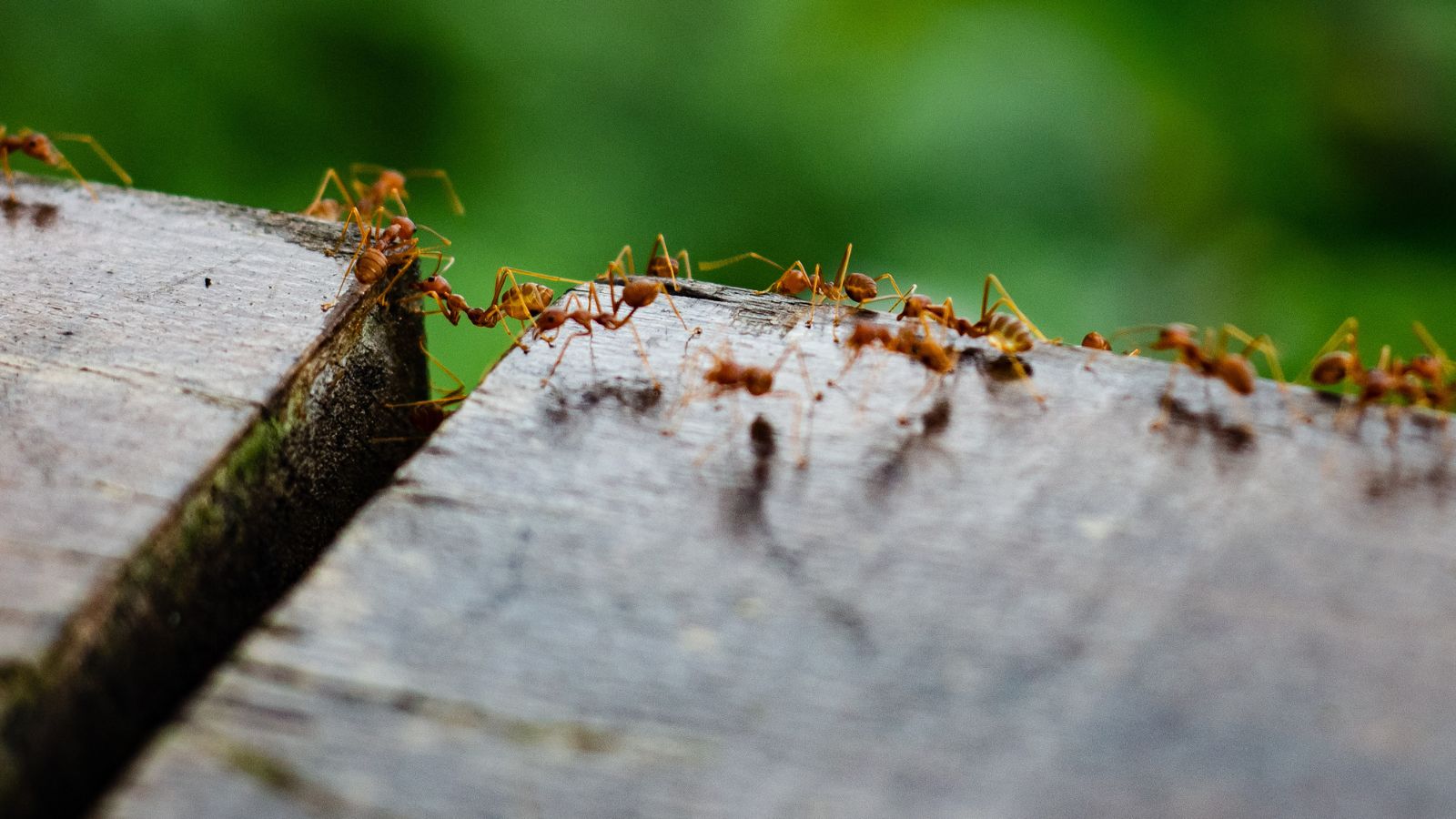
Ants play a complex role in shaping insect populations and maintaining ecosystem balance. Knowing how ants interact with other insects helps reveal their impact on gardens, crops, and natural habitats. This article explores five key ways ants influence these systems and offers guidance for homeowners using BigHomeProjects.com to manage related challenges.
How do ants affect other insects in my garden or yard?
Ants influence other insects in your garden mainly through predator-prey dynamics and competition. They actively hunt and consume a variety of insect species, including caterpillars, aphids, and other soft-bodied pests, which can reduce harmful populations naturally. However, some ant species protect honeydew-producing insects like aphids and scale insects because these provide them with a sugary food source. This mutualistic interaction can lead to increased pest populations that damage plants, making pest control more challenging. Invasive ants, such as the red imported fire ant, often displace native ants and disrupt local insect communities, which sometimes causes unintended ecological consequences.
I’ve seen this firsthand in my own yard where aggressive ants protected aphids on my rose bushes, leading to sticky leaves and poor plant health. After managing the ant population with targeted baiting, the aphid numbers dropped significantly, and the roses started thriving again. Ants also help with seed dispersal and soil aeration, supporting overall ecosystem balance. But they can be a double-edged sword—while they control some pests, their protection of others means you have to monitor which ant species are present and how they interact with your garden’s insect populations.
5 Ways Ants Influence Other Insect Populations and Ecosystems
1. Predation and Pest Regulation
Ants act as natural predators in ecosystems, hunting a wide range of insects such as caterpillars, termites, and other pests that damage plants. This predation helps keep some insect populations in check, reducing the need for chemical pesticides in your garden or farm. What many people don’t realize is how selective certain ant species can be—they target specific pests, which means they can help control problematic insects without harming beneficial ones like pollinators. You can encourage this natural pest control by avoiding broad-spectrum insecticides that kill ants along with pests.
2. Mutualistic Relationships with Honeydew Producers
Some ants form close partnerships with sap-sucking insects like aphids and scales, protecting them from predators and even moving them to fresh feeding spots. In exchange, ants harvest honeydew, a sugary secretion from these insects. This relationship can boost pest populations, leading to more plant damage if not managed carefully. One tip is to monitor ant trails and intervene early if you spot large colonies tending to aphids. Reducing ants can indirectly reduce honeydew-producing pests and help your plants stay healthier through the growing season.
3. Competition and Displacement of Native Species
Invasive ant species often compete aggressively with native ants for resources, sometimes driving native populations down or out of an area. This shift can ripple through the ecosystem since native ants may play unique roles, such as controlling different pest species or supporting certain plants. If you notice a sudden change in ant types around your property—like fire ants showing up where they weren’t before—it’s a sign the local insect balance is shifting. Dealing with invasive ants quickly helps protect native biodiversity and maintain ecosystem stability.
4. Seed Dispersal and Soil Health
Beyond insect interactions, ants contribute significantly to seed dispersal, moving seeds to new locations where they can germinate safely away from predators. This process supports plant diversity and regeneration, which in turn supports a wider range of insect species. Ant nests also improve soil aeration and nutrient cycling, creating healthier ground for plants to grow. If you care about your garden’s long-term health, consider how ant activity might be aiding the natural growth processes rather than just focusing on their impact as predators or pests.
5. Indicators of Environmental Changes
Ant populations react quickly to temperature shifts and habitat changes, serving as early warning signs for environmental stress like climate change or pollution. Tracking ant diversity and abundance can give clues about how your local ecosystem is faring overall. For gardeners or land managers, paying attention to ant activity patterns can inform decisions around watering, planting, or habitat restoration efforts. Not many people think of ants as bioindicators, but they provide valuable insight into the health of the environment right outside your door.
The Role of Ant Predation in Controlling Pest Populations
Ant predation targets specific pest species such as lepidopteran larvae, aphids, and certain coleopteran pests that damage crops and garden plants. Some ant species like the Argentine ant and red imported fire ant show efficient hunting strategies, including group foraging and recruitment pheromones, which increase their success rate in reducing pest numbers. Studies show that ant predation can decrease pest populations by up to 40%, lowering the need for chemical pesticides, which often cause environmental harm and cost farmers millions annually. This natural control helps reduce outbreaks of pests that can otherwise cause serious crop losses.
Predation also affects pest behavior, causing changes in feeding and reproductive patterns that further suppress their population growth. Pest insects may avoid plants that have active ant patrols, limiting their feeding damage. Also, ants disrupt pest life cycles by preying on eggs and pupae stages, which many other predators overlook. This means ants can reduce pest survival early on, strengthening overall pest management programs. You’ll notice healthier plants when ants keep pests in check, especially if you avoid disturbing their trails or nests.
How Invasive Ant Species Disrupt Native Insect Communities
Invasive ants like the red imported fire ant and Argentine ant often outcompete native ants through aggressive foraging and rapid colony expansion. These invasive species exploit resources such as food and nesting sites more efficiently, causing native ant populations to decline sharply. This displacement creates a gap in the ecosystem since native ants often fulfill specialized roles, including controlling particular pest species or supporting certain plants. Data from southern U.S. ecosystems show invasive fire ants reduce native ant diversity by as much as 70%, which disrupts the balance of insect communities and affects other animals that rely on native ants for food.
I saw this effect firsthand when invasive fire ants took over a local green space near my home. Native ants that once controlled small caterpillar outbreaks vanished, and pest outbreaks increased, damaging nearby plants. The invasive ants also changed how other insects behaved—they avoided areas heavily patrolled by fire ants, reducing pollination activity and altering the local ecosystem’s function. Managing invasive ant populations in these areas is the key to restoring native insect diversity and keeping ecosystems healthy and balanced.
Key Ecological Services Provided by Ants That Impact Ecosystems
- Soil Aeration and Nutrient Cycling: Ants tunnel through soil, creating channels that improve air and water movement. This activity helps plant roots get oxygen and nutrients more easily, which boosts plant health and growth. Their nest-building also brings organic material deeper into the soil, speeding up decomposition and nutrient release in ways other insects don’t.
- Microhabitat Creation: Ant nests provide shelter for various small organisms like beetles, mites, and fungi. These microhabitats increase local biodiversity and create new interactions among species. Some beetles live exclusively inside ant nests, depending on ants for protection and food scraps.
- Seed Dispersal and Plant Regeneration: Certain ant species carry seeds to their nests, often dropping or storing them in nutrient-rich environments ideal for germination. This process, called myrmecochory, supports plant diversity and helps maintain healthy ecosystems. It also helps plants spread across fragmented habitats, improving landscape connectivity.
- Influence on Pollination Networks: Ants occasionally interact with flowers, affecting pollinator behavior. Some ants deter pollinators by their presence or chemical secretions, indirectly shaping which plants get pollinated and how frequently. This subtle influence can shift plant community dynamics over time.
- Food Web Integration: Ants act as both predators and prey, linking multiple trophic levels in ecosystems. Their presence supports insectivorous birds, reptiles, and mammals that rely on ants for food. If ant populations change, these animals’ survival and reproductive success can also shift, affecting broader ecosystem stability.
How BigHomeProjects.com Can Help Homeowners Manage Ant and Pest Issues
At BigHomeProjects.com, we connect you with trusted local pest control contractors who specialize in ant management and other pest issues. If you’re dealing with invasive ants or persistent pest problems that impact your garden or home, our directory makes it easy to find professionals who use targeted methods like baiting and habitat modification. These experts know how to handle complex ant behaviors—like trail disruption and nest elimination—so you get effective results without unnecessary chemicals. We focus on helping you find reliable contractors who match your needs and budget, making the process straightforward and hassle-free.
We also help contractors and handymen who have experience in pest management reach homeowners looking for their services. If you want help with ant control or related home projects, you’ll find qualified professionals with reviews and ratings to guide your choice. Since ants can affect both your outdoor spaces and the structural integrity of your home, having the right team is crucial. Our platform doesn’t provide pest control itself but ensures you connect with skilled local contractors who do, so you get the best care for your property.
Leave a Reply
You must be logged in to post a comment.