
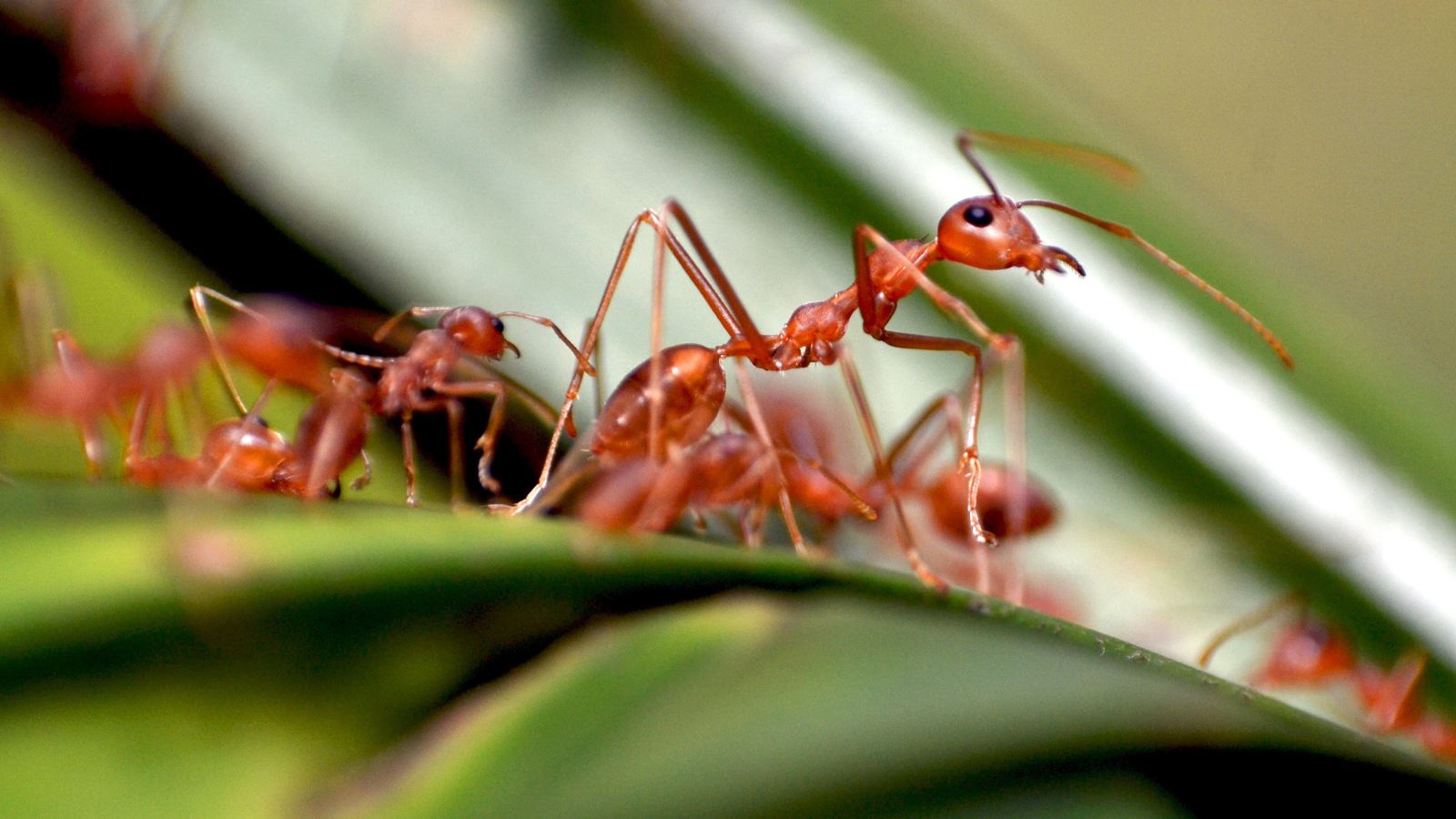
Ants are remarkable creatures that have shown an incredible ability to adapt to urban environments, allowing them to thrive alongside humans. In this article, we explore seven amazing ways ants adjust their behaviors and physiological traits to navigate city life. From forming supercolonies to exploiting human resources, these adaptations highlight the resilience of ants and their fascinating interaction with urban ecosystems.
How do ants adapt to urban environments?
Ants adapt to urban environments through various behavioral and physiological changes. One notable adaptation is the formation of supercolonies. Species like the Argentine ant can establish extensive networks of interconnected colonies that utilize man-made structures for travel and resource acquisition. This phenomenon allows them to dominate urban territories efficiently. Ants modify their foraging patterns to capitalize on the abundant food sources available in cities, such as discarded food near trash cans or picnic areas. I’ve noticed this firsthand while observing a colony of pavement ants in my backyard; they would swarm around a spilled soda can, demonstrating their keen ability to exploit human-generated waste.
On the physiological side, urban ants exhibit increased heat tolerance, which is essential in coping with the urban heat island effect. Studies indicate that these adaptations may also involve genetic changes, where urban populations show reduced dispersal traits, leading to more stable, localized colonies. This focus on adaptability helps them thrive alongside humans while minimizing competition with other species. It’s fascinating to see how quickly these small insects can adjust to urban life, making the most of their environment while often going unnoticed by city dwellers.
7 Amazing Ways Ants Adapt to Urban Environments
1. Formation of Supercolonies
Ants, especially species like the Argentine ant, often form supercolonies in urban areas. This means they create large networks that connect multiple nests, allowing them to cover more ground and access a wider range of resources. When you see a trail of ants marching along a sidewalk, it’s likely part of a supercolony’s foraging route. These supercolonies can dominate areas due to their sheer numbers and coordinated efforts, which is why you might notice ants in one spot one day and then in a completely different location the next. To identify if you’re dealing with a supercolony, look for multiple nests close together and a high level of ant activity—they’re all working together to thrive in the urban landscape.
2. Changes in Foraging Patterns
Urban ants are clever foragers. They quickly adapt their foraging strategies to take advantage of abundant food sources created by human activity. You’ll often find them scouring around trash cans or picnic spots where food is likely to be spilled. This shift in foraging behavior is fascinating; they learn to recognize patterns of human waste disposal and adjust their movements accordingly. If you’re trying to manage ant populations in your area, consider cleaning up food waste quickly and sealing trash cans tightly to reduce their food supply. You might be surprised at how quickly ants can learn where to find food!
3. Social Structure Adjustments
Ants have a unique way of maintaining their social structures in urban settings. They adjust their spatial distribution, often clustering in areas with abundant resources while ensuring that their essential social interactions remain intact. This adaptability is essential for their survival, as it allows them to thrive even amid environmental changes. If you observe an ant colony, take note of how they communicate and coordinate movements; they use pheromones to signal food sources and navigate their environment. This social flexibility is what helps them flourish in cities where conditions can change rapidly.
4. Increased Heat Tolerance
Urban areas often experience the urban heat island effect, where temperatures rise due to human activity and infrastructure. Ants have developed increased heat tolerance to cope with these higher temperatures. This means they can remain active during warmer months when other species might struggle. If you’re curious about how ants handle heat, consider observing them during the hottest parts of the day; they may retreat into shaded areas or underground to escape the heat, showcasing their remarkable adaptability.
5. Genetic Changes
Urban environments can drive genetic changes in ant populations. Urban house ants often show reduced dispersal traits, which means they prefer to stay within their established colonies rather than seeking new territories. This genetic shift can lead to more stable populations that are better suited for life in cities. If you’re interested in studying ant behavior, consider collecting samples from different urban areas; you might discover variations in traits that reflect their adaptation to specific environments. It’s intriguing to think that these tiny insects are evolving right under our noses!
6. Exploitation of Human Resources
Ants are savvy when it comes to exploiting human resources. They can find food sources in unexpected places, such as gardens, parks, or even inside homes. Their ability to adapt to human environments allows them to thrive where other species might fail. If you’re trying to reduce ant visits to your kitchen, think about sealing up food containers and cleaning surfaces regularly. Ants communicate through pheromones, so if they find a food source in your home, they’ll quickly let others know about it! Keeping your space clean and free from food debris is an effective way to manage their presence.
7. Nesting Sites in Cities
Urban areas provide unique nesting opportunities for ants that they can exploit effectively. Instead of traditional underground nests, many ants will take advantage of cracks in sidewalks, under pavers, or even inside buildings where conditions are favorable. These locations offer protection from predators and harsh weather conditions while providing easy access to food sources. If you’re observing ant activity near your home, check for nests in these unusual spots!
Behavioral Changes in Urban Ant Colonies
Ants in urban environments show fascinating behavioral changes that help them survive and thrive. One significant change is their foraging behavior. Urban ants learn to exploit human food waste more effectively by adjusting their search patterns. They often focus on high-traffic areas like parks, picnic spots, and trash bins, where food is more likely to be found. Studies indicate that these ants can increase their foraging efficiency by recognizing the time of day when people are least active, allowing them to access food resources with minimal competition. Observing how ants quickly adapt their foraging routes can be quite interesting; you might see them form trails leading straight to a new food source within hours of a picnic.
Another behavioral change is the way ants communicate within their colonies. Urban ants often exhibit enhanced pheromone communication to coordinate their activities more effectively. They may send stronger chemical signals to alert other ants about new food sources or threats in crowded urban settings. This adaptation makes sure that they maintain social cohesion despite environmental pressures, such as increased competition and disturbances from humans. If you ever watch ants working together, you might notice how they follow each other in a line; that’s their way of sharing important information quickly!
Physiological Adaptations of Ants in City Life
Ants living in cities have developed unique physiological adaptations to help them survive in challenging environments. One key adaptation is their increased heat tolerance. Urban areas often experience higher temperatures due to the heat generated by buildings and roads, known as the urban heat island effect. Ants have evolved to withstand these warmer conditions by developing proteins that help protect their cells from heat stress. Research shows that urban ants can tolerate temperatures up to 10 degrees Celsius higher than their rural counterparts. I watched a group of ants working on a hot summer day, and they seemed unfazed, moving around busily while I was sweating in the heat!
Another interesting physiological change is the alteration in their metabolic rates. Urban ants often have faster metabolism compared to ants in cooler environments. This change allows them to process food more quickly and make use of human waste as an energy source. A study found that urban ants could double their foraging activity when food is abundant, showcasing their ability to adapt their energy usage based on resource availability. This efficient energy management helps them thrive in cities where food might come and go quickly, making them expert survivors in a bustling environment.
Key Factors Influencing Ant Adaptation in Urban Areas
- Availability of Food Sources: Urban areas are full of food options for ants, which significantly influences their adaptation. Ants can find food in unexpected places, like parks or even inside homes. Leftover food from picnics or dropped snacks in the city provide a constant supply of nutrition. This abundance encourages ants to change their foraging habits, allowing them to thrive where other creatures might struggle.
- Human Activity: The level of human activity shapes how ants behave and where they build their colonies. Areas with high foot traffic can lead ants to adapt their nesting sites to places that are less disturbed, such as cracks in sidewalks or under pavers. You’ll often find ants living in these hidden spots to avoid being stepped on while still having easy access to food sources nearby.
- Microclimate Variations: Cities create different microclimates due to buildings, roads, and vegetation. These variations can influence ant behavior, as some species may prefer warmer or cooler areas. Ants might nest in shaded spots during hot summer days to regulate temperature. If you observe ants in your garden, notice how they might favor certain areas based on the sunlight or moisture levels.
- Competition with Other Species: Ants face competition from other urban-dwelling species, which pushes them to adapt their behaviors and strategies. They may change their foraging times or locations to avoid competing with other ants or animals for food. If you notice a group of ants working during the early morning or late evening, they might be trying to dodge competition from other insects that are active during the day.
- Urbanization Effects: The process of urbanization transforms habitats and creates new challenges for ants. As cities grow, they disrupt natural ecosystems, forcing ants to find ways to survive in altered environments. This can lead to changes in colony size and structure. As more buildings go up, some ant species might form smaller colonies that are more efficient at utilizing limited resources available in densely populated areas.
- Chemical Pollution: Urban areas often have higher levels of pollutants that can impact ant physiology and behavior. Ants may develop resistance to certain chemicals found in pesticides or other urban pollutants over time. This adaptation allows them to survive and continue thriving in environments where other insects might perish. You might see fewer ants in freshly sprayed areas, but those that remain have likely adapted to withstand such challenges.
- Social Structure Dynamics: The social structure within urban ant colonies can change due to environmental factors. Colonies may shift from a single-queen system to multi-queen structures to enhance reproductive success in resource-rich environments. This flexibility allows them to capitalize on the available resources better and maintain stability despite the rapid changes in their surroundings. You might find these multi-queen colonies thriving in areas where food is plentiful, showcasing their adaptability.
Discover Local Experts at BigHomeProjects.com for Your Pest Control Needs
At BigHomeProjects.com, we know that dealing with pests like ants can be a real headache for homeowners. That’s why we’re dedicated to connecting you with local experts who specialize in pest control. These professionals know all about the different types of ants and their behaviors, especially those pesky urban ants that adapt well to city life. When you reach out through our directory, you can find contractors who have the right tools and knowledge to tackle your specific pest problems. They’ll assess your home, identify the species, and provide you with effective solutions tailored to your situation.
We prioritize helping you find trusted local contractors so that you can feel confident in your pest control choices. Our platform makes it easy to read reviews and compare services from experts in your area. If you’re dealing with a major ant infestation or just want to prevent them from entering your home, our listed professionals can help you implement strategies that suit your needs.
Leave a Reply
You must be logged in to post a comment.