
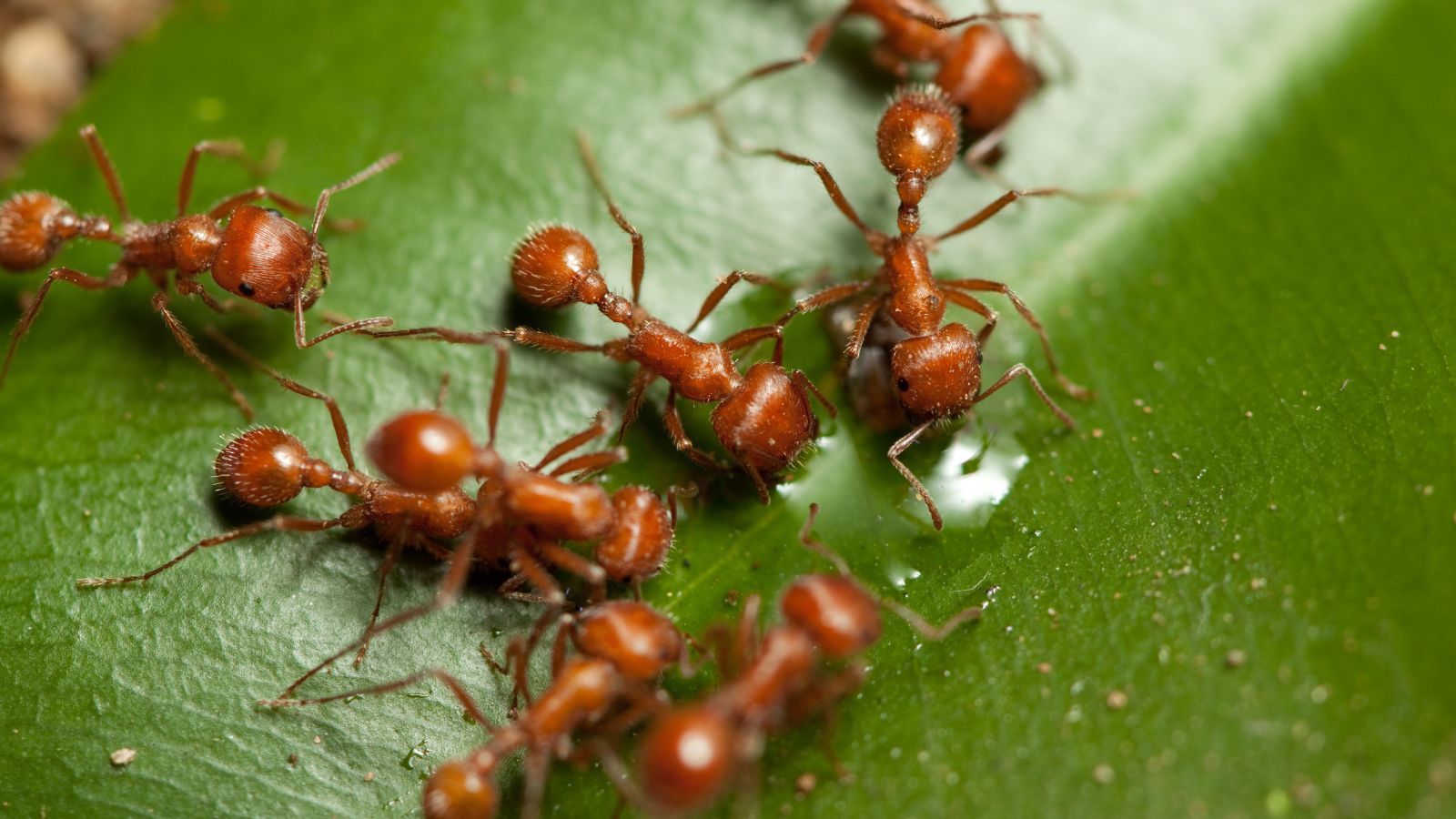
Ants are often misunderstood, leading to various myths that can hinder effective management of these fascinating creatures. In this article, we will debunk seven common misconceptions about ants, shedding light on their behavior and the best strategies for dealing with them. Being familiar with these myths empowers homeowners to make informed decisions and seek reliable contractors through resources like BigHomeProjects.com to effectively manage any ant-related issues.
What are the most common misconceptions about ants?
Ants are often misunderstood, leading to several misconceptions that can impact how we manage them. One common myth is that only dirty homes attract ants. In reality, ants are opportunistic foragers, meaning they will invade any space that provides food, water, or shelter, regardless of cleanliness. I’ve encountered many clients who thought their spotless kitchens would keep ants away, only to discover that even a small crumb can entice these persistent pests. Another misconception is that killing visible ants solves the infestation problem. However, worker ants represent just a fraction of the colony. If you don’t address the queen and the nest, you’re only putting a temporary Band-Aid on a larger issue.
Another prevalent myth is that all ants are the same, but this couldn’t be further from the truth. There are over 12,000 species of ants worldwide, each with unique behaviors and ecological roles. Carpenter ants damage wood by creating nests but don’t actually consume it, while fire ants can deliver painful stings. It’s also a common belief that DIY methods like vinegar or cinnamon are effective long-term solutions for ant control. While they might deter ants temporarily, these methods usually fail to eliminate entire colonies. In my experience, relying on professional pest control services typically yields more reliable results.
7 Common Myths About Ants Debunked for Better Understanding
1. Only Dirty Homes Attract Ants
It’s a popular belief that a messy environment is the primary reason ants invade a home. While cleanliness can help reduce the chances of an infestation, ants are opportunists. They can enter any home that offers food, water, or shelter. Even the tidiest kitchens can attract them if there are small food particles left behind or leaks that provide moisture. To keep ants at bay, focus on sealing food in airtight containers, cleaning up spills quickly, and regularly checking for any signs of water accumulation around your home. This proactive approach will make your space less appealing to these little invaders.
2. Killing Visible Ants Solves the Problem
You might think that squashing the few ants you see is enough to eliminate an infestation, but that’s not the case. Those visible ants are usually just workers foraging for food, and they represent only a tiny fraction of the entire colony, which includes the queen and numerous hidden workers. If you want to truly tackle an ant problem, you need to locate the nest and treat it directly. This might involve using bait that attracts ants back to their colony or hiring a professional so that the queen is dealt with. Remember, it’s about tackling the root of the issue, not just the symptoms.
3. All Ants Are the Same
Many people think all ants behave similarly, but that’s far from the truth. There are thousands of ant species, each with distinct behaviors and characteristics. Carpenter ants are known for nesting in wood, causing structural damage, while fire ants can deliver painful stings and form aggressive colonies. Knowing the specific species in your area can help you choose the right management strategy. If you notice a particular type of ant in your home, do some quick research on its habits; knowing whether they are attracted to sweets or proteins can guide how you bait them effectively.
4. Carpenter Ants Eat Wood
A common misunderstanding about carpenter ants is that they eat wood like termites do. In reality, carpenter ants don’t consume wood but carve it out to create their nests. They prefer damp or decayed wood for nesting, so it’s crucial to check areas like basements, attics, and any wooden structures for signs of moisture damage. If you spot them, addressing any underlying water issues is key. Also, consider using wood treatments and sealants to prevent them from burrowing into your home in the first place.
5. Ants Only Invade During Warm Months
While many people associate ant activity with warm weather, some species can be a nuisance year-round. Odorous house ants, for instance, seek warmth and moisture during colder months and can invade homes at any time of year. If you notice increased activity during winter months, don’t ignore it; take preventive measures like sealing cracks in your foundation and ensuring windows and doors are properly fitted. This will help you stay a step ahead of those crafty little invaders.
6. Seeing One Ant Means No Infestation
Spotting a single ant can often lead to a false sense of security; it usually indicates a larger infestation nearby. Ants leave pheromone trails for others to follow, so if one finds food in your home, it will likely lead its colony right to it. If you see one ant in your living space, take action immediately by searching for more and looking for potential entry points. Regular monitoring and proactive sealing of entryways will help you catch infestations early before they become a bigger problem.
7. DIY Methods Are Always Effective
Many homeowners turn to DIY solutions like cinnamon or vinegar to repel ants, thinking these methods are a surefire fix. While they may help deter ants temporarily, they rarely eliminate entire colonies. Such methods often lack the potency needed to address larger infestations effectively. Instead of relying solely on these approaches, consider using bait stations or gels designed specifically for ants; they can attract the pests back to their nests and help eliminate them at their source. If you’re still struggling after trying DIY methods, it might be time to consult a pest control professional who can provide tailored solutions for your situation.
The Importance of Understanding Ant Behavior
Understanding ant behavior is crucial because it helps you figure out how to manage them effectively. Ants operate on complex social systems, with worker ants foraging for food while the queen stays hidden in the nest. Each ant species has different habits. Some prefer sweets, while others are attracted to proteins. Knowing these preferences allows you to use the right bait when dealing with an infestation. If you know what type of food attracts the ants in your home, you can set traps that lure them in and eliminate the problem at its source.
Recognizing how ants communicate helps in knowing their behavior. Ants use pheromones to signal each other about food sources and dangers. This means that when one ant finds food, it leaves a scent trail for others to follow. If you see one ant, there are likely many more nearby because they’re following that trail. Blocking entry points and eliminating food sources can disrupt ant communication and prevent more ants from entering your home.
Distinguishing Between Ant Species and Their Habits
Distinguishing between ant species is important because each type has unique habits and needs. Carpenter ants are known for their destructive nesting behavior; they chew through wood to create their nests, which can weaken structures in your home. On the other hand, odorous house ants are tiny and often found in kitchens searching for sugary foods. They release a distinctive smell when crushed, which can help identify them. Knowing the differences means you can choose the right approach for control. If you’re dealing with carpenter ants, you might need to repair water-damaged wood to prevent nesting.
In my experience, I helped a friend who thought he had fire ants because he saw a few red ants in his yard. After closer inspection, we realized they were actually red imported fire ants, known for their painful stings and aggressive behavior. We set up bait stations specifically designed for that species to eliminate the colony safely. Recognizing the type of ant you’re dealing with allows you to use targeted treatments. Some species can be controlled with simple baits, while others may require professional pest control services.
Common Misconceptions Regarding Ant Control Methods
- DIY Methods Are Always Effective: Many people believe that common household items like vinegar or baking soda can completely eliminate ants. While these methods can provide temporary relief, they often fail to address the underlying issue. If you use vinegar to spray visible ants, it might deter them for a short time, but it won’t remove the colony. Instead, consider using commercial ant baits that are specifically designed to attract ants and take the poison back to their nest.
- Ants Only Come Out in Large Numbers: It’s a common misconception that you’ll only see ants when there’s a significant infestation. Sometimes, just a few ants may appear because they are scouting for food or water. If you spot one or two ants, it’s a warning sign that a colony is nearby. Acting quickly by sealing entry points and removing food sources can prevent a larger problem from developing.
- All Ant Control Products Are the Same: People often think that all ant control products work equally well, but that’s not true. Different species of ants respond to different types of bait and treatments. Sweet baits might attract sugar ants, while protein-based baits are better for grease ants. If you don’t choose the right product for the specific ant species you’re dealing with, your efforts might go to waste.
- Spraying Pesticides Will Solve the Problem: Many assume that simply spraying pesticides around their home will eliminate ants. However, this method often only kills the visible ants without addressing the queen or the nest. Instead of relying solely on sprays, it’s often better to use bait stations that worker ants can carry back to their colony, effectively taking out the source of the problem.
- Once You Treat for Ants, They Won’t Come Back: Another misconception is that treating your home once will keep ants away forever. Ants are constantly searching for new food sources and nesting sites, so if conditions become favorable again, they may return. Regular monitoring and maintenance are essential to keep your home ant-free. This includes sealing any cracks and maintaining cleanliness to reduce their attraction to your space.
- Natural Remedies Are Always Safe: Many people turn to natural remedies believing they are safer than chemical treatments. While some natural repellents can deter ants temporarily, they might not be effective for long-term control. Diatomaceous earth can kill ants when they crawl over it, but if not used properly, it may not affect the entire colony. It’s important to research and make sure any method you use is both effective and safe for your environment.
Find Trusted Contractors for Effective Ant Management at BigHomeProjects.com
At BigHomeProjects.com, we know that dealing with ants can be a real hassle, and finding the right help is essential for effective management. We provide a directory of trusted local contractors who specialize in pest control. These professionals have the expertise to identify the specific ant species invading your home and apply the most effective treatment methods. They know the importance of addressing not just the visible ants but also the colony and queen to truly eliminate the problem. When you check out our site, you can read reviews from other homeowners who have successfully worked with these contractors, giving you peace of mind that you’re making a smart choice.
We also recognize that every home is unique, which is why our directory allows you to compare different contractors based on their specialties, customer ratings, and services offered. If you need someone for a one-time ant treatment or ongoing pest management, we make it easy to find the right fit for your needs. Connecting with local experts through BigHomeProjects.com ensures you receive quality service tailored to your specific ant issues. Plus, supporting local businesses means you’re helping your community thrive while keeping your home safe from unwanted pests.
Leave a Reply
You must be logged in to post a comment.