
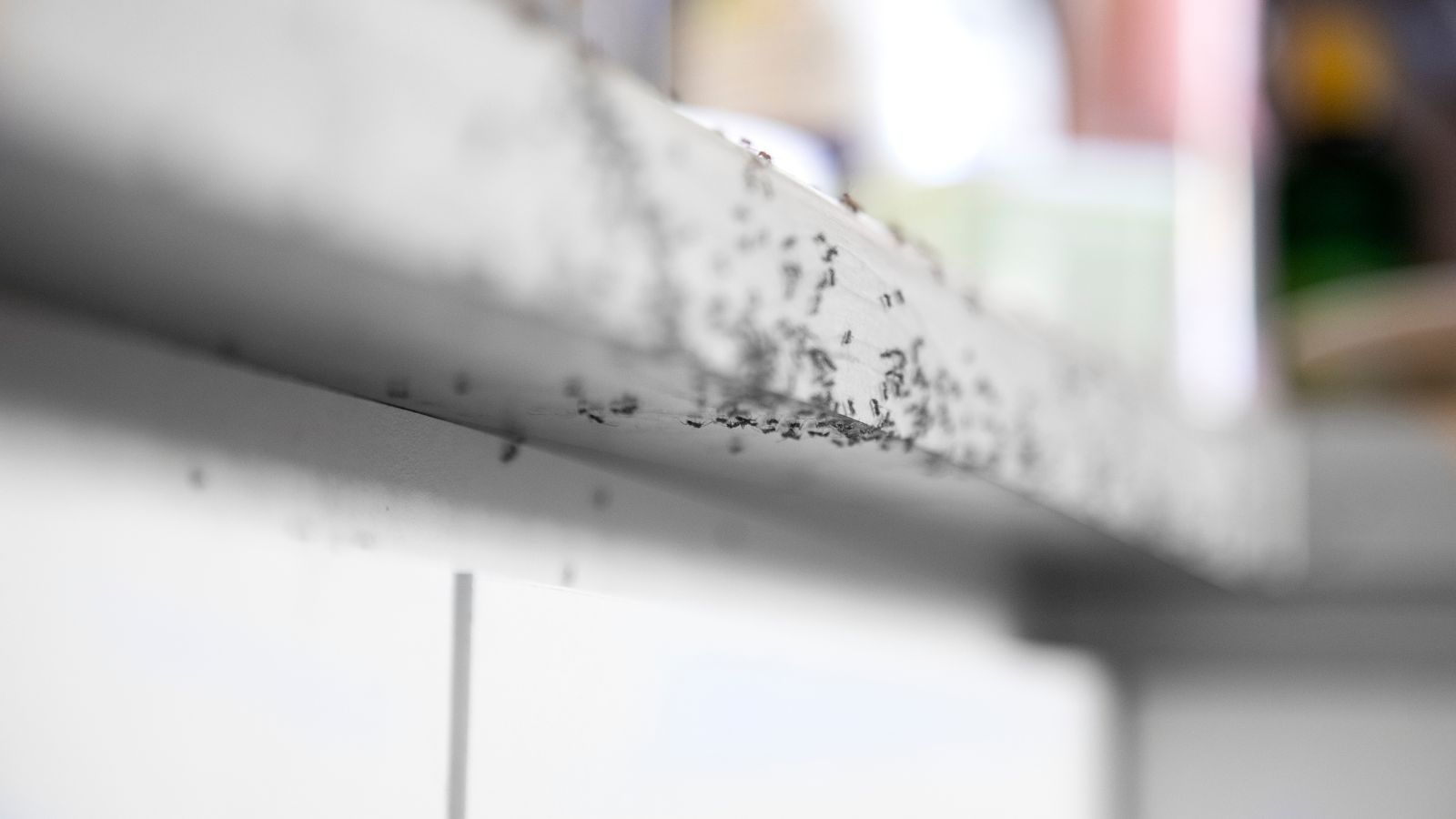
If you’re struggling with pesky ants invading your home, sealing entry points is an essential step to keep them out for good. In this article, we’ll explore seven effective ways to seal those critical openings and disrupt ant trails, ensuring a pest-free environment. From identifying common entry points to employing natural repellents, you’ll find practical solutions to tackle this common household issue.
How can I effectively seal entry points to stop ants?
To effectively seal entry points and stop ants, start by identifying the most common areas where they infiltrate your home. Ants often enter through tiny cracks in walls, gaps around windows and doors, and spaces created by utility lines. Use silicone or acrylic latex caulk to fill small gaps, and for larger openings, consider expandable foam insulation. I’ve found that using steel wool to block larger cracks works wonders as well, as ants struggle to chew through it. For vents, fine mesh screens can keep them out while still allowing airflow, ensuring your home remains comfortable without inviting pests.
Once you’ve sealed the entry points, it’s crucial to maintain cleanliness to disrupt ant trails. Regularly clean surfaces with soapy water or a vinegar solution, which erases pheromone trails they use to navigate. I had a persistent ant problem in my kitchen, and after cleaning thoroughly with a vinegar mix, I noticed a significant drop in their activity. Create barriers using diatomaceous earth or natural repellents like cinnamon along their pathways.
7 Effective Ways to Seal Entry Points and Stop Ants
1. Identify Common Entry Points
Start by thoroughly inspecting your home for common entry points where ants might sneak in. Look for cracks in the foundation, gaps around windows and doors, and even spaces around utility lines like pipes and cables. Don’t forget to check your roofline and vents—ants can be sneaky! Pay special attention to areas where wood meets the ground, as this is a prime spot for ant colonies to establish themselves. Once you’ve identified these points, you can take action to seal them properly.
2. Use Caulking and Weatherstripping
For smaller gaps, silicone or acrylic latex caulk is your best friend. It’s flexible, easy to apply, and provides a strong barrier against pesky ants. Apply it around windows, doors, and any cracks in walls you’ve found during your inspection. Weatherstripping is also essential for doors; it prevents ants from squeezing through gaps when the door is closed. Make sure to choose a durable weatherstrip that can withstand the elements; some materials break down quickly and may need frequent replacement.
3. Apply Foam Sealant
For larger gaps, especially those around utility lines or vents, expandable foam insulation works wonders. This stuff expands to fill the space and creates a solid barrier. When applying it, make sure to wear gloves and a mask since it can be messy. A unique tip is to cut off any excess foam once it has dried for a neat finish. This not only keeps your home looking tidy but also makes sure that the seal remains effective over time.
4. Install Mesh Screens
Covering vents with fine mesh screens is another effective way to keep ants out while still allowing airflow. This is particularly important in areas like attics or basements where ventilation is crucial. When selecting mesh screens, opt for a material that’s sturdy enough to withstand weather conditions but fine enough to block even the smallest ants. You might also want to consider adding screens to windows if you don’t already have them; it’s an extra layer of protection.
5. Use Steel Wool or Mesh Materials
For larger cracks where caulk may not be sufficient, steel wool or other mesh materials provide a reliable barrier. Ants have a hard time chewing through steel wool, which makes it an excellent choice for blocking those pesky entry points. When using steel wool, pack it tightly into the crack to maintain ants can’t find their way through. This method not only works for ants but can help with other pests trying to invade your space.
6. Clean Surfaces Regularly
Cleaning surfaces regularly is key to disrupting ant trails. Ants leave pheromone trails that guide other ants to food sources, so washing these surfaces can effectively send them packing. Use a mixture of soapy water or vinegar solution to wipe down countertops, floors, and any areas where you’ve seen ant activity. A little-known tip is to clean with essential oils like peppermint or tea tree oil; these scents are natural repellents and can help mask those pheromone trails.
7. Create Natural Barriers
Using natural repellents can provide an additional layer of defense against ants. Sprinkling diatomaceous earth along ant pathways creates a barrier that dehydrates and kills them on contact. Similarly, spices like cinnamon or cayenne pepper act as natural deterrents when sprinkled around entry points or trails. Not only do these methods keep ants away, but they are safer alternatives compared to chemical pesticides, making them a better choice for homes with pets and children.
Identifying Common Entry Points for Ants in Your Home
Ants can sneak into your home through tiny openings, so it’s important to know where to look. Start by checking the foundation of your house for any cracks or gaps. These are often found where walls meet or around windows and doors. Pay attention to utility lines, such as pipes and cables; ants can squeeze in through spaces where these lines enter your home. Also, look at the roofline and gutters, as ants can climb up and find their way through vents or small holes.
When searching for entry points, don’t forget to inspect your kitchen and bathroom areas closely. Check under sinks and around appliances like dishwashers and refrigerators, as these spots can create moisture that attracts ants. If you have any plants or mulch near your home, they can also be a pathway for ants to get in. Being thorough in your inspection helps you spot potential problems before they become a bigger issue. Each small crack or hole might seem insignificant, but they can lead to a full-blown ant invasion if left unchecked.
Essential Sealing Techniques to Keep Ants Out
Using the right sealing techniques is the key to keeping ants out of your home. Start by applying high-quality silicone or acrylic latex caulk to fill small cracks and gaps around windows, doors, and baseboards. These caulks are flexible and can expand or contract with temperature changes, making them effective barriers against ants. For larger openings, such as those around utility lines or vents, use expandable foam insulation. This foam expands to fill the space and creates a solid, airtight seal. I used foam insulation around a cable entry point in my garage, and it not only kept ants out but also helped with energy efficiency by preventing drafts.
Another essential technique is using weatherstripping around doors and windows. This material compresses when the door or window closes, ensuring there are no gaps for ants to slip through. It’s important to choose durable weatherstripping that can withstand weather conditions, as some cheaper options wear out quickly. Try using steel wool for larger cracks where caulk might not be enough. Steel wool is tough and deters ants from gnawing through to find their way inside.
Effective Barriers and Natural Repellents Against Ants
- Diatomaceous Earth: This natural powder comes from tiny fossilized aquatic organisms and works wonders as a barrier against ants. When ants walk over it, the powder dehydrates them, leading to their demise. To use it, sprinkle diatomaceous earth along ant pathways or entry points. Just make sure to reapply it after rain or heavy cleaning, as moisture diminishes its effectiveness.
- Cinnamon: This common spice is a surprisingly effective natural repellent. Ants dislike the strong smell of cinnamon, which can disrupt their scent trails. Sprinkle ground cinnamon around entry points or in areas where you’ve spotted ants. You can also create a cinnamon water spray, mixing a few drops of essential cinnamon oil with water, and use it to mist affected areas.
- Vinegar Solution: Mixing equal parts of vinegar and water creates a powerful cleaning solution that not only cleans surfaces but also disrupts ant pheromone trails. Use this solution to wipe down countertops, floors, and any areas where ants have been seen. The strong scent of vinegar helps mask the trails they use to navigate, making it more challenging for them to find food sources.
- Peppermint Oil: Ants are deterred by the scent of peppermint oil, making it an excellent natural repellent. Mix a few drops of peppermint essential oil with water and spray it around entry points or areas where you’ve seen ants. You can also soak cotton balls in peppermint oil and place them in strategic spots, like under sinks or near windows, to keep ants at bay.
- Cayenne Pepper: Similar to cinnamon, cayenne pepper is another spice that ants find unappealing. Sprinkle cayenne pepper around entry points or mix it with water to create a spicy spray. Just be careful not to create a mess; it can get everywhere! This method not only helps repel ants but also adds a bit of spice to your pest control routine.
- Soap and Water Solution: A simple mixture of soap and water can be effective in deterring ants. The soap clogs their breathing pores, which can kill them on contact. Mix a few drops of liquid soap with water in a spray bottle and apply it directly to ants you see or around entry points. This method is quick and easy, allowing you to tackle the problem without harsh chemicals.
- Barrier Plants: Certain plants can act as natural barriers against ants. Planting mint or marigolds around your home can help repel ants due to their strong scents. Not only do these plants add beauty to your garden, but they also serve as a natural deterrent, creating a less inviting environment for ants to invade.
Find Trusted Contractors on BigHomeProjects.com for Pest Control Solutions
When it comes to pest control solutions, finding a reliable contractor is super important, and that’s where we come in at BigHomeProjects.com. We provide a comprehensive listing of trusted local contractors who specialize in pest control. Instead of spending hours searching online or relying on random ads, you can browse our directory to find professionals who have been vetted for quality and reliability. These contractors know all about sealing entry points, using effective barriers, and applying natural repellents, making them well-equipped to handle any ant problem you might face.
We make the process easy for homeowners and investors alike. Visiting BigHomeProjects.com allows you to read reviews, compare services, and explore the experience of each contractor. This way, you can choose someone who fits your specific needs and budget. If you’re dealing with a minor ant issue or a major infestation, our directory helps you connect with the right experts quickly. We believe in making your home a pest-free space, and our goal is to make sure you find the best contractors to help achieve that.
Leave a Reply
You must be logged in to post a comment.