
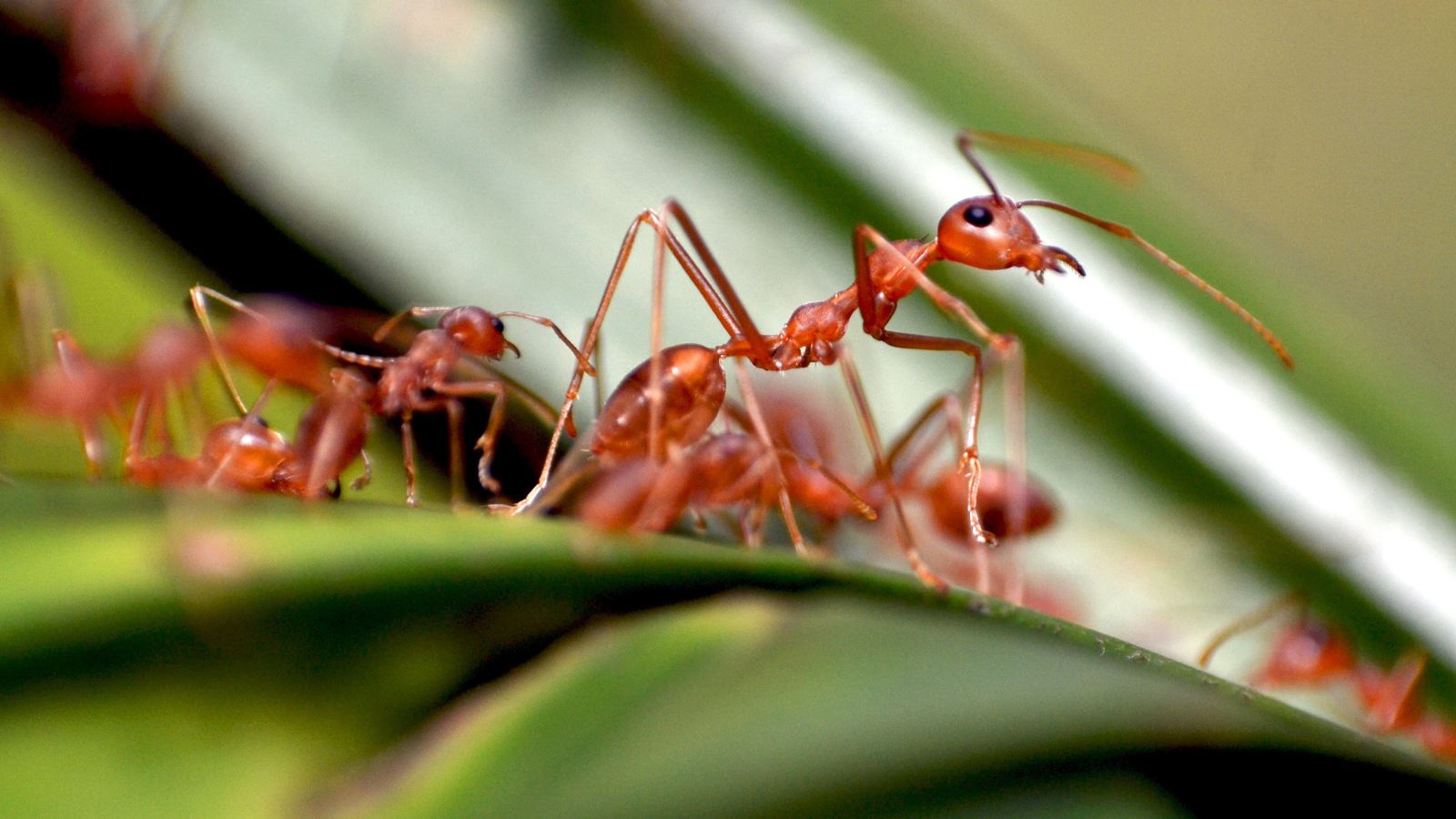
Understanding the environmental conditions that favor ant colonies is essential for both homeowners and contractors looking to maintain healthy outdoor spaces. In this article, we will explore seven key factors, including temperature, humidity, and nutrient availability, that contribute to the thriving of ant colonies. Implementing these insights can help create an environment that supports not only the health of ants but also the overall ecosystem in your yard.
What environmental conditions are essential for ant colonies to thrive?
Optimal temperature and humidity levels are critical for ant colonies to thrive. Ants, such as Solenopsis invicta, flourish at temperatures around 30°C, while others like Prenolepis imparis prefer cooler temperatures near 21°C. Maintaining these specific temperature ranges makes sure that ants can efficiently carry out their metabolic processes. Stable humidity is essential; fluctuations can lead to dehydration or mold growth within nests. I observed a colony of Formica podzolica adjusting its nest depth based on rising temperatures, showcasing their adaptability to maintain a suitable microenvironment for their brood.
Nutrient availability also plays a pivotal role in colony health. Ants need a diet rich in carbohydrates and proteins, which they typically obtain from honeydew, seeds, and other organic materials. In my experience, providing a consistent food source resulted in noticeable increases in colony size and activity. Furthermore, environmental stability—characterized by minimal disturbances—allows colonies to focus on growth rather than survival. Just make sure your outdoor spaces are free from excessive chemical treatments and pests that can disrupt this balance.
7 Environmental Conditions That Favor Ant Colonies Growth
1. Optimal Temperature Range
Ants thrive in specific temperature ranges that vary by species. If you’re dealing with Red Imported Fire Ants (Solenopsis invicta), they love it hot, around 30°C. On the other hand, Winter Ants (Prenolepis imparis) prefer cooler temperatures near 21°C. To help your local ants flourish, consider monitoring soil temperatures and adjust your gardening practices accordingly. Mulching can help retain soil warmth in cooler months, creating a cozy environment for ants to thrive.
2. Stable Humidity Levels
Humidity is a game-changer for ant colonies. Consistent moisture levels prevent dehydration and maintain a healthy environment for the colony. If you’re in a dry area, think about adding a small water source, like a shallow dish with pebbles for safety, which will help maintain humidity. Interestingly, some ants even farm fungi and mold as a food source, which thrive in moist conditions. So, by fostering a humid environment, you’re not just supporting the ants; you might also be enhancing their unique farming activities.
3. Nutrient Availability
A balanced diet is essential for ant colonies. They need carbohydrates and proteins to grow and thrive. You can easily provide food sources by planting flowering plants that produce nectar or leaving out sugar water or fruit scraps. In my experience, I’ve noticed that colonies flourish when offered varied food options, as diverse diets help them develop healthier brood. Plus, if you’re trying to attract specific ant species for observation, knowing their preferred food sources can be a fun way to engage with your local ecosystem.
4. Environmental Stability
Ants dislike sudden changes in their environment, so stability is key for their growth. This means avoiding drastic temperature shifts or heavy disturbances in their nesting areas. If you’re doing yard work, try to keep the noise down and avoid using chemicals that could disrupt their habitat. During my time gardening, I’ve found that working in small, incremental steps allows the local ant populations to adjust and continue thriving without added stress.
5. Adequate Space
Ant colonies need room to grow and expand their nests. If you notice ants in your garden, consider leaving some areas undisturbed, as this provides them with the necessary space to build complex nests. You can also create small barriers or designated areas where ants can build without interference. I remember watching a colony expand its nest over a season; they utilized every inch of space creatively, which was fascinating to observe.
6. Quality Habitat
The quality of the habitat significantly affects ant health. Suitable nesting materials are essential for building durable nests. If you want to encourage ant colonies, incorporate natural materials like leaves, twigs, or soil into your landscaping. Furthermore, keeping the area free from pesticides and contaminants can help with a thriving environment. Personally, I’ve found that making small changes to my garden’s composition led to healthier ant populations and increased biodiversity.
7. Strategic Expansion Methods
Ants have unique ways of expanding their colonies, such as budding or nuptial flights. These strategies allow them to create new colonies efficiently. To support these methods in your own garden, ensure there are plenty of resources available for new queens and their workers during mating seasons. You might even witness fascinating nuptial flights if conditions are right! I set up a small observation area during peak flying times and was amazed by the activity; it’s a reminder of how dynamic and strategic these little creatures really are.
Nutrient and Space Requirements for Thriving Ant Colonies
Ant colonies require specific nutrients to grow strong and healthy. They need a balanced diet that includes carbohydrates, proteins, and fats. Carbohydrates often come from sugary substances like nectar or honeydew, while proteins can be found in insects or seeds. During a study on Formica ants, researchers found that colonies with access to diverse food sources had up to 30% larger populations compared to those with limited diets. If you want to help your local ants thrive, consider leaving out some fruit scraps or sugar water near their nests. This additional nutrition can boost their growth and productivity.
Space is just as important for ant colonies as food. Each colony needs enough room to expand and create complex nests where they can raise their young. When ants feel cramped, they might not reproduce effectively, leading to smaller colonies. In my experience, I observed a colony of Camponotus ants that started to build upwards in search of more space after I cleared some nearby debris. Providing a diverse environment with plenty of nesting materials, like leaves or soil, encourages ants to spread out and thrive. Creating small undisturbed areas in your garden can give ants the space they need to grow and flourish.
Key Factors Influencing Ant Colony Growth
- Temperature Regulation: Ants need specific temperature ranges to thrive, and different species have their preferences. While Red Imported Fire Ants prefer warmer temperatures, others like the Winter Ant thrive in cooler conditions. If you notice extreme temperature fluctuations in your area, it could impact the activity levels of local ant colonies. You can help by providing shade or insulation in hot weather, which can make a significant difference for their survival.
- Moisture Control: Maintaining the right moisture levels is essential for ant health. Ants require water to stay hydrated and to keep their nests from drying out. If you live in a dry area, consider adding small water sources like shallow dishes filled with pebbles. This not only provides hydration but also helps maintain humidity in their environment. In my own backyard, I saw an increase in ant activity after I put out a simple water source, which kept them busy and healthy.
- Nest Site Quality: The quality of nesting sites directly affects colony success. Ants prefer areas that offer protection from the elements and predators. Natural materials like leaves, soil, and wood help create a sturdy nest structure. You can encourage healthy colonies by leaving some undisturbed areas in your garden where ants can build without interference. When I left a small patch of soil untouched, I was surprised to see a robust colony take hold and flourish.
- Food Diversity: A varied diet plays a key role in ant colony growth. When ants have access to different food sources, such as proteins from insects or carbohydrates from nectar, they are more likely to thrive. If you’re interested in attracting specific ants, consider planting flowers that produce nectar or leaving out pieces of fruit. This approach can help sustain a healthy colony and promote interesting interactions among the various species in your area.
- Reduced Disturbance: Ant colonies thrive in stable environments with minimal disruptions. Regular disturbances, such as lawn mowing or heavy foot traffic, can stress the ants and affect their growth. To help support local colonies, try to establish designated paths in your garden that avoid major nesting areas. This simple change can create a more peaceful environment for ants to flourish.
- Presence of Symbiotic Organisms: Some ants have unique relationships with other organisms that help them thrive. Many ant species farm aphids for honeydew, which provides them with a rich food source. Encouraging these symbiotic relationships, such as planting specific plants that attract aphids or nectar-producing insects, fosters an ecosystem that benefits both the ants and the plants they protect.
- Colony Structure and Organization: The internal structure of an ant colony influences its efficiency and growth. A well-organized colony with a clear division of labor allows ants to perform tasks more effectively, such as foraging for food or caring for the young. In my experience observing colonies, I’ve noticed that those with distinct roles for workers tend to grow faster and are more resilient against environmental stressors. Creating a supportive environment can encourage this natural organization within ant communities.
How BigHomeProjects.com Can Help You Maintain a Healthy Outdoor Environment
At Big Home Projects, we know that maintaining a healthy outdoor environment is essential for both homeowners and local ecosystems, including the tiny but mighty ant colonies. Our directory connects you with trusted local contractors who specialize in landscaping and outdoor maintenance. These professionals can help create the perfect garden conditions that support not only your plants but also the beneficial insects like ants that contribute to a thriving ecosystem. Working with skilled contractors can ensure your outdoor space is designed with the appropriate plants, food sources, and habitats that promote healthy ant populations.
We also recognize the importance of sustainable practices in outdoor projects. Our contractors can offer advice on how to implement natural pest control methods instead of harsh chemicals, which can disrupt local wildlife, including ants. These experts can help you design spaces that are not only beautiful but also conducive to the health of your local environment. If you need help with planting native vegetation or creating areas that provide shelter for beneficial insects, Big Home Projects is here to connect you with the right professionals to achieve your goals while supporting a healthy ecosystem.
Leave a Reply
You must be logged in to post a comment.