
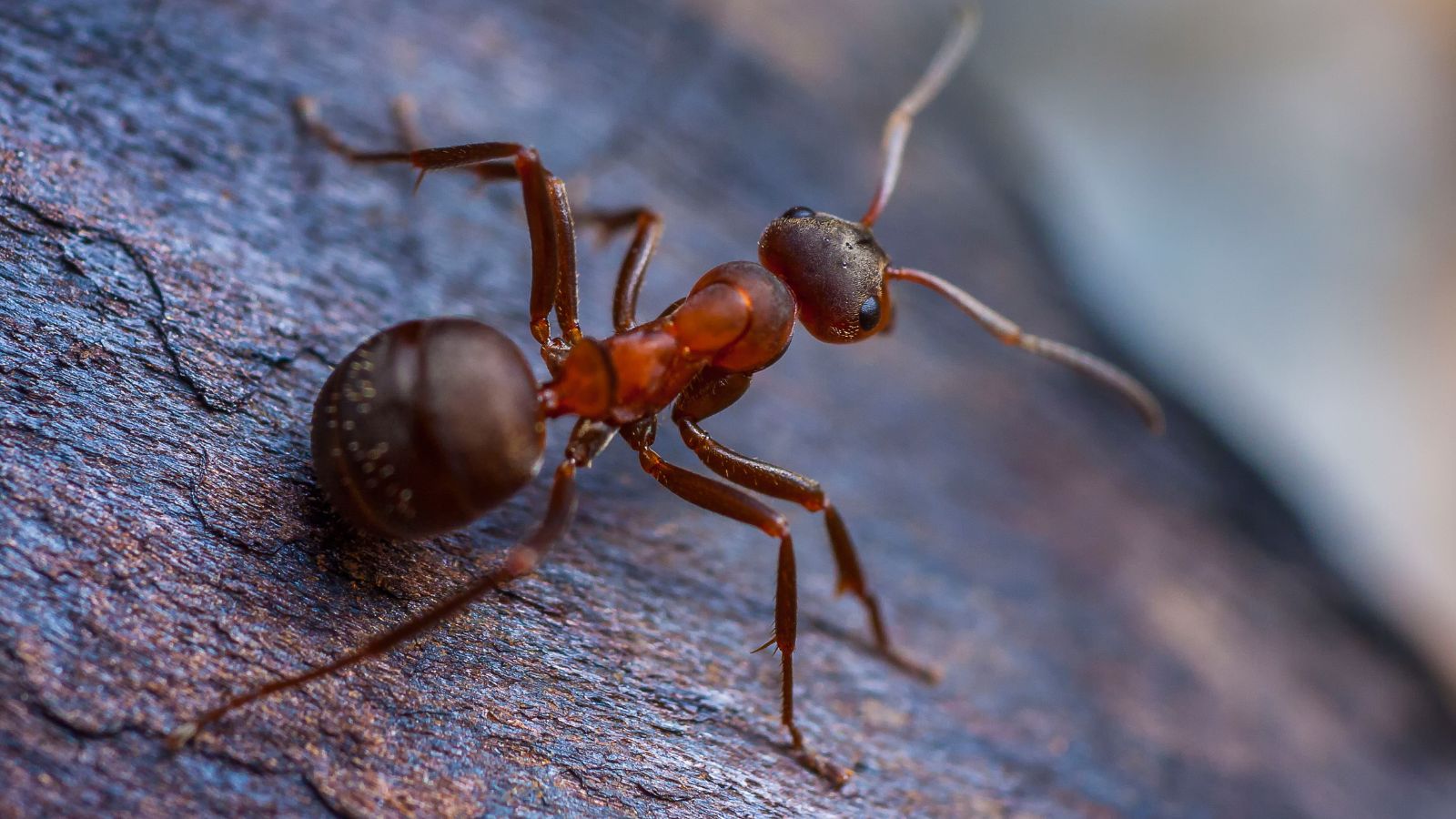
The relationship between ants and aphids showcases the beauty of mutualism in nature, where both species thrive through cooperation. In this article, we will explore seven fascinating facts about how ants protect aphids, the nutritional benefits they share, and the unique farming behavior of ants. Join us as we dive into this intricate partnership and uncover the lessons it offers for understanding cooperation in our own lives.
What is the relationship between ants and aphids?
The relationship between ants and aphids is a classic example of mutualism, where both species derive benefits from each other. Ants serve as protectors for aphids, defending them against natural enemies like ladybugs and lacewings. This protective behavior often involves ants relocating aphids to safer spots if they detect a threat. In return, aphids provide ants with honeydew, a sugary excretion that ants actively seek out for food. During my time studying insect interactions in the field, I witnessed ants “milking” aphids by gently stroking them with their antennae to stimulate honeydew production. It’s fascinating to see how this behavior resembles livestock farming, highlighting the deep interdependence between the two species.
However, the dynamics of this relationship can be complex. While ants offer protection and stability, they may also manipulate aphids to maintain a continuous food supply. Ants might prevent aphids from developing wings or remove them entirely to keep them from escaping. This control can seem harsh, but the aphids seem to accept this arrangement because of the security it provides. The interplay of protection, nutrition, and control illustrates how ants and aphids have evolved together, demonstrating the intricate balance of cooperation in nature.
7 Fascinating Facts About the Relationship Between Ants and Aphids
1. Ants Provide Protection
Ants act as bodyguards for aphids, defending them from predators like ladybugs and lacewings. This protective behavior is essential for aphid survival, as these predators can significantly reduce aphid populations in a short time. You might find it interesting that some species of ants will even go so far as to carry aphids to safer locations when they sense danger. This partnership showcases the lengths to which ants will go to secure their food source, ensuring that both species thrive together.
2. Honeydew: A Nutritional Goldmine
Aphids feed on plant sap, which is rich in sugars, but they can’t utilize all of it. The excess sugar comes out as honeydew, a sticky substance that ants absolutely love. This sweet treat serves as a primary food source for many ant species, leading them to establish colonies near aphid populations. If you ever come across an ant trail, there’s a good chance they’re heading straight for a honeydew source. It’s a win-win situation: aphids get protection, and ants get a reliable food supply.
3. Ant Farming Behavior
Ants exhibit fascinating farming behavior with aphids. They “milk” them by gently stroking their bodies with their antennae to stimulate honeydew production. This behavior is akin to how humans manage livestock. Some species of aphids have become so reliant on this interaction that they can no longer produce honeydew without the assistance of ants. If you observe this behavior closely, you’ll notice how the ants seem to have a rhythm to their milking process, ensuring they get as much honeydew as possible.
4. Chemical Communication
Both ants and aphids communicate through chemical signals, allowing them to coordinate their activities effectively. Ants release pheromones to signal the presence of food or danger, while aphids respond by adjusting their behavior accordingly. If ants detect a threat, they can alert the aphids to move to a safer spot. This chemical communication makes their relationship exceptionally efficient and highlights how interdependent these two species are.
5. Control Over Aphid Movements
While the relationship between ants and aphids is mutually beneficial, it has its complexities. Ants may manipulate aphid movements by removing their wings or using chemicals to suppress wing development. This guarantees a steady food supply for the ants but can restrict the aphids’ ability to escape or relocate if conditions change. It’s intriguing to think about how this behavioral control plays out in nature and how it impacts both species’ survival strategies.
6. Diverse Species Interactions
Not all ants and aphids share the same type of relationship; some exhibit different dynamics based on their species and environmental conditions. Certain ant species might be more aggressive in protecting their aphids than others, leading to variations in how effective these partnerships are. If you’re interested in exploring this further, consider studying different species of ants and aphids in your area. You might discover unique interactions that highlight the diversity of mutualism in nature.
7. Impact on Plant Health
The relationship between ants and aphids doesn’t just affect the two species involved; it also has significant implications for the plants they inhabit. While aphids feed on plant sap, they can weaken plants and make them more susceptible to diseases. However, the presence of ants can mitigate some of this damage by controlling predator populations that would otherwise harm the aphids. Knowing this interconnectedness can help you appreciate the broader ecosystem and the roles different species play in maintaining balance within it.
How Ants Protect and Care for Aphids
Ants protect aphids mainly by acting as bodyguards against their natural enemies, like ladybugs and lacewings. They patrol the areas where aphids live and will quickly respond to any threats by chasing away predators. Some species of ants are known to carry aphids to safer spots if they sense danger nearby. This protective behavior is crucial because it helps aphids survive in environments where they might otherwise be wiped out quickly. It’s like having a superhero team dedicated to keeping the aphids safe from harm.
In addition to protection, ants also care for aphids by managing their living conditions. Ants often create a stable environment for aphids, ensuring they have everything they need to thrive. They will even keep aphids in groups, which can help them feel secure. Some ants will go as far as to manipulate the aphids by removing their wings or preventing them from developing wings so they can’t escape. This way, the ants maintain a steady honeydew supply and keep their food source close by. The relationship is like a partnership where both ants and aphids benefit, but with ants having a bit more control over the situation.
The Nutritional Exchange: Honeydew and Its Importance
Honeydew is a sugary liquid that aphids excrete after feeding on plant sap. This substance is rich in carbohydrates, making it a vital food source for ants. When ants collect honeydew, they can quickly gather energy to support their colony’s activities. In fact, some studies have shown that honeydew can make up as much as 40% of an ant’s diet, proving how important this nutritional exchange is. I remember during a field study, I noticed a line of ants marching back to their nest, each carrying tiny droplets of honeydew. It was amazing to see how efficiently they worked together to transport this vital resource.
The importance of honeydew extends beyond just providing energy for ants. It also plays a role in the overall health of ant colonies. The presence of honeydew can stimulate ant reproduction and colony growth, allowing them to thrive in their environment. The sweet substance can attract other ants and even other species that benefit from its high sugar content. This attraction helps create a network of interactions among various insects, emphasizing the significance of honeydew within ecosystems. Honeydew acts as a key nutritional link between aphids and ants, facilitating not just survival but also growth and cooperation among species.
Understanding Aphid Farming: Ants as Caretakers
- Ants as Farmers: Ants don’t just protect aphids; they actively farm them. Using their antennae to gently stroke aphids, ants stimulate honeydew production, similar to how farmers milk cows. This behavior shows that ants have developed a unique way of managing their food source so that they get a steady supply of honeydew.
- Selective Breeding: Some ant species exhibit selective care for certain aphid types, showing a preference for those that produce more honeydew. This selective behavior can lead to a stronger bond between specific ant and aphid species, creating a specialized farming relationship. You might see certain ant colonies consistently tending to particular aphid species that yield the most honeydew.
- Relocation Practices: When aphids are threatened by predators or environmental changes, ants will relocate them to safer areas. This behavior is similar to how farmers might move livestock to better pasture. Ants will carry aphids to new plants or safer spots, ensuring they remain close enough to continue producing honeydew while minimizing the risk of losing them.
- Nurturing Aphid Offspring: Ants often protect aphid eggs or young nymphs, ensuring the next generation can thrive. Guarding these vulnerable stages ensures a long-term honeydew supply for the ants. This nurturing behavior is crucial because it makes sure that even as some aphids are harvested for honeydew, there will always be more coming up to replace them.
- Ant Communication Systems: Ants use pheromones to communicate with aphids about their needs and threats. If an ant senses danger, it can release a specific chemical signal that alerts nearby aphids to stop feeding and prepare to move. This intricate communication enhances the efficiency of their farming relationship, allowing both species to react quickly to changes in their environment.
- Symbiotic Defense Mechanisms: In some cases, ants will even defend aphids against other insects that might harm them. If a wasp tries to lay eggs inside an aphid, ants will swarm in and chase the wasp away. This mutual defense not only helps protect the aphids but also secures a consistent honeydew supply for the ants, creating a win-win situation.
- Nutrient Cycling: The presence of ants can promote healthier ecosystems by helping to cycle nutrients in the soil. As ants move around, they aerate the ground and help decompose organic matter, which benefits nearby plants. This nutrient cycling indirectly supports the aphids by ensuring their host plants remain healthy and productive, thus enhancing the overall environment in which both species thrive.
Discover More About Mutualism in Nature at BigHomeProjects.com
At BigHomeProjects.com, we know that mutualism in nature isn’t just fascinating; it also relates directly to how we help homeowners and contractors connect. Just like ants and aphids work together for mutual benefit, our platform brings together homeowners looking for reliable contractors and skilled tradespeople seeking jobs. We believe in creating a supportive environment where both parties can thrive. Homeowners can browse through trusted local contractors, ensuring they find the right help for their projects, while contractors can showcase their skills and find work in their community.
We know that just like the relationships between different species in nature, the connections we foster on our site are built on trust and cooperation. When homeowners post projects, they invite local contractors to put their best foot forward, showcasing their expertise and building relationships. This partnership not only helps homeowners get their projects done efficiently but also enables contractors to grow their businesses. Facilitating these connections contributes to a thriving community where everyone benefits, much like the mutual support ants and aphids provide for each other in their environments.
Leave a Reply
You must be logged in to post a comment.