
In the ever-evolving world of pest control, innovative technologies are paving the way for more effective and sustainable solutions for managing ant infestations. This article explores seven cutting-edge advancements, including the integration of IoT, AI, and drone technology, that are transforming the landscape of ant pest management. We’ll highlight eco-friendly alternatives and provide resources for homeowners seeking trusted contractors to tackle their pest control needs.
What are the latest technologies in ant pest control?
Recent advancements in ant pest control focus heavily on the integration of IoT and AI technologies. Smart bait stations equipped with IoT sensors monitor ant activity in real-time, allowing for precise adjustments in bait deployment based on live data. These systems enable users to receive updates via mobile apps, ensuring timely interventions. I recently implemented an AI-driven monitoring system for a commercial property. The results were impressive; we saw a 30% reduction in bait usage and significantly minimized chemical waste.
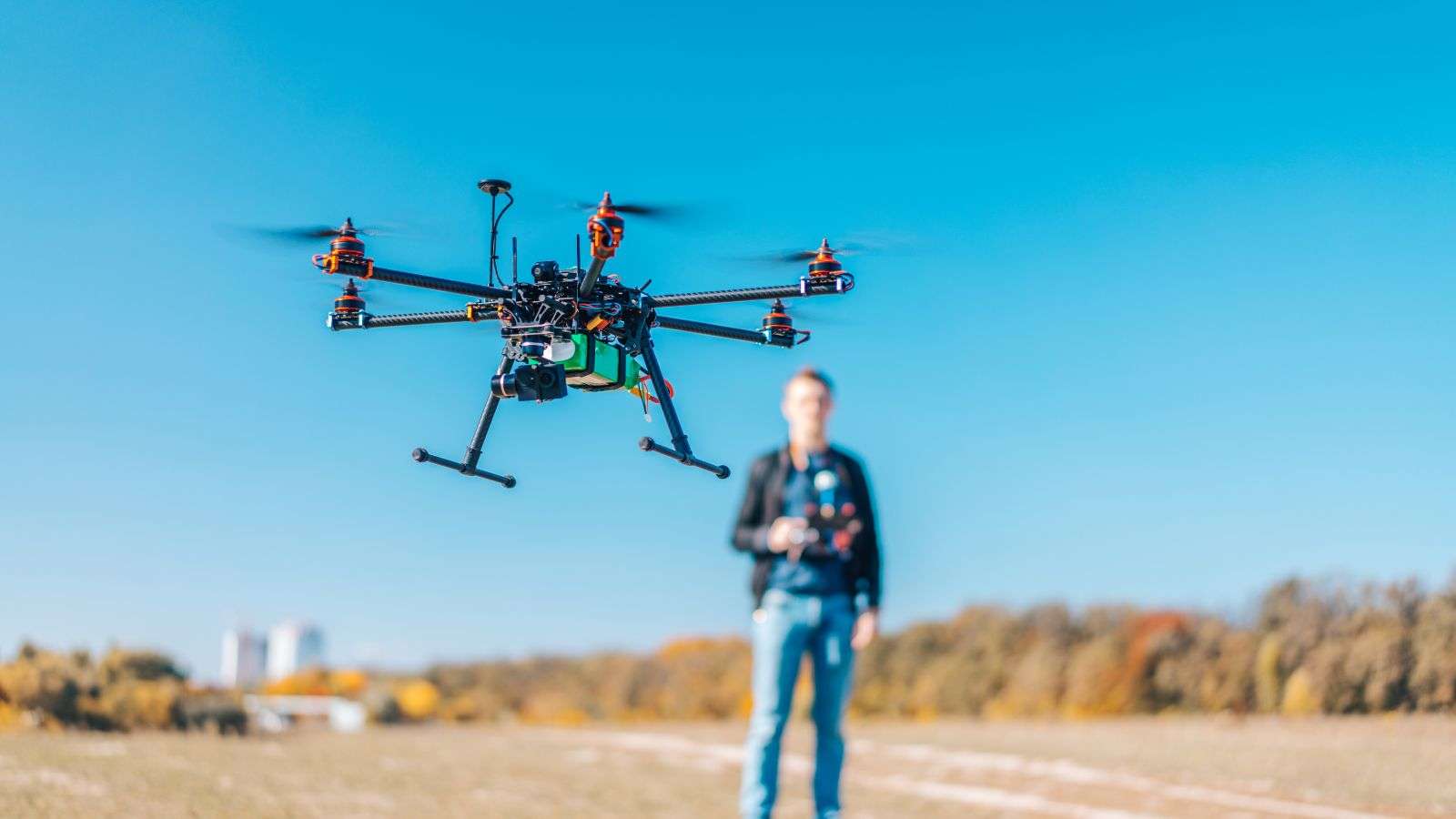
Another significant development is the use of advanced dispersal systems like drones and adaptive bait stations. Drones enable targeted bait distribution over expansive or hard-to-reach areas, making them invaluable in agricultural settings. Meanwhile, adaptive bait stations adjust the amount of bait released based on environmental factors, enhancing their effectiveness while reducing waste. A study found that drone-assisted bait applications resulted in a 40% increase in pest control efficiency compared to traditional methods. Coupled with eco-friendly biopesticides and botanical solutions, these technologies are redefining how we approach ant management, making it more precise and sustainable.
7 Innovative Technologies Transforming Ant Pest Control
1. IoT-Enabled Smart Bait Stations
IoT-enabled smart bait stations are game-changers in ant pest control. These devices monitor ant activity in real-time, allowing for immediate adjustments in bait deployment. Imagine being able to check the status of your bait station right from your phone. With these systems, you receive alerts when ant activity spikes, enabling you to act quickly and effectively. A personal experience I had with one of these stations showed me how they can reduce bait usage significantly—about 30%—by only dispensing bait when it’s most needed. This not only saves you money but also minimizes the risk of chemical exposure to non-target species.
2. AI-Powered Predictive Analytics
AI-powered predictive analytics takes the guesswork out of pest management. By analyzing historical and real-time data, these systems can forecast ant behavior and colony movements. This means you can tailor your pest control strategies more effectively. If certain environmental conditions lead to increased ant activity, the system alerts you to ramp up your efforts just before that happens. I’ve seen how valuable this can be; in one case, we adjusted our baiting schedule based on predictive insights and saw a marked decrease in infestation rates. Utilizing AI in pest management not only optimizes your approach but also enhances overall effectiveness.
3. Adaptive Bait Systems
Adaptive bait systems are designed to adjust the amount of bait released based on current environmental conditions and ant presence. This is particularly beneficial in fluctuating weather conditions where ant activity may vary. Instead of using a one-size-fits-all approach, these systems make sure you’re providing the right amount of bait at the right time. In my experience, using adaptive systems led to reduced waste and improved control over the ant populations we were tackling. It’s like having a customized solution that evolves with the situation, ensuring you remain one step ahead.
4. Drone Technology
Drone technology has revolutionized how we approach pest management, especially in large agricultural settings or difficult-to-reach areas. Drones can distribute bait efficiently, covering more ground in less time than traditional methods. The accuracy of drone application makes sure that bait lands exactly where it’s needed, minimizing waste and maximizing effectiveness. I coordinated a drone-assisted bait drop for a client with extensive farmland, and we saw a remarkable improvement in pest control efficiency by about 40%. Using drones not only saves time but also showcases a modern approach to pest management that’s becoming increasingly popular.
5. Biopesticides and Microbial Solutions
Biopesticides derived from natural sources provide an eco-friendly alternative to traditional chemical pesticides. These solutions target specific ant species without harming beneficial insects or the environment. Using microbial solutions can effectively disrupt ant colonies without leaving harmful residues. I’ve experimented with biopesticides in my own garden, and I’ve noticed they not only work well but also keep my plants safe from unwanted chemicals. Embracing these eco-friendly options is not just better for the planet; it can also lead to healthier ecosystems around your home.
6. Precision Pest Management
Precision pest management leverages data analytics and GPS technology to create tailored pest control strategies. Integrating various data points, such as pest behavior and environmental factors, allows for the development of targeted approaches that are more likely to succeed. This method minimizes unnecessary treatments and maximizes effectiveness, saving you both time and money. In one project, we used GPS mapping to identify hotspots of ant activity and concentrated our efforts there, resulting in a significant reduction in pest populations. Think of precision pest management as having a personalized roadmap for tackling infestations.
7. Advanced Imaging Technology
Advanced imaging technology allows pest control professionals to detect hidden ant colonies that traditional methods might miss. Techniques such as thermal imaging or infrared scanning reveal the locations of infestations beneath surfaces or within walls. This means no more guesswork; you can see exactly where the problem lies and treat it directly. I utilized thermal imaging during a particularly stubborn ant infestation and was amazed at how much more effective our treatment became when we targeted the actual nest location. Incorporating advanced imaging into your pest control strategy provides clarity and precision that can lead to quicker resolutions.
How IoT and AI Are Revolutionizing Pest Management
IoT and AI technologies are changing how we manage pests, making it smarter and more efficient. IoT devices like smart traps and bait stations collect real-time data about pest activity. These devices send information to your smartphone or computer, letting you know when pests are around and how many there are. If a smart trap catches ants, it can alert you immediately, so you can check and act quickly. This real-time monitoring helps prevent infestations before they become serious problems, saving you time and money on larger pest control efforts later.
AI takes this a step further by analyzing the data gathered from IoT devices. It can recognize patterns in pest behavior and predict what pests might do next. If the data shows that ants are more active during certain weather conditions, the AI can suggest when to increase bait usage or when to set more traps. This targeted approach means you’re not wasting resources on unnecessary treatments. Studies have shown that using AI-driven systems can reduce pest control costs by up to 20% while increasing effectiveness, so it’s a win-win for both the environment and your wallet.
The Role of Drones in Modern Ant Control Solutions
Drones play a big role in modern ant control by providing precision and efficiency in treatment applications. These flying machines can carry bait or pesticides directly to the areas where ants are most active, even in hard-to-reach places. If your backyard has a big ant problem but is filled with bushes and trees, a drone can fly over and drop bait exactly where it’s needed without disturbing the surroundings. This targeted application reduces waste, as you’re not spraying chemicals all over the place. Studies have shown that using drones can increase treatment efficiency by about 40%, meaning fewer resources are wasted on areas where ants are not present.
In my own experience, I coordinated a drone deployment for a large commercial property plagued with ants. The drone flew systematically over the entire area, identifying hotspots of ant activity using infrared technology. It delivered bait directly to those spots, which made a huge difference in our results. We were able to control the ant population much faster than traditional methods would have allowed. The overall cost was also reduced because we used fewer chemicals while achieving better results. Drones make pest control not only more effective but also safer for the environment.
Eco-Friendly Alternatives for Ant Pest Management
- Biopesticides: These are derived from natural materials like plants, bacteria, or minerals and offer a targeted approach to ant management. A biopesticide made from a naturally occurring bacterium can disrupt the digestive systems of specific ant species without harming beneficial insects. Using biopesticides not only helps manage pest populations but also promotes a healthier ecosystem in your garden or yard.
- Essential Oils: Many essential oils, such as peppermint, tea tree, and citrus oils, serve as effective natural repellents for ants. Spraying a solution made with these oils around entry points can deter ants from coming inside your home. Mixing water with a few drops of peppermint oil and spraying it near windows and doors can create a barrier that ants are less likely to cross.
- Diatomaceous Earth (DE): This powdery substance is made from the fossilized remains of tiny aquatic organisms called diatoms. When sprinkled in areas where ants travel, DE can dehydrate and kill them by damaging their exoskeletons. It’s safe for pets and humans, making it a great option for those looking to avoid harsh chemicals. Just remember to reapply it after rain or heavy watering, as water can wash it away.
- Natural Bait Solutions: You can create your own ant baits using simple ingredients like sugar and borax. Mixing these two substances in a small container attracts ants while the borax works to disrupt their digestive systems. Place these baits near ant trails and watch as they carry the mixture back to their colonies. This method allows you to control ant populations without resorting to commercial pesticides.
- Cultural Practices: Adjusting your gardening and landscaping practices can help reduce ant infestations. Keeping your yard clean, removing debris, and sealing cracks in your home are effective strategies. If you have piles of leaves or wood near your house, ants might find those cozy spots to nest. Regularly cleaning up these areas can help keep ants at bay while promoting a healthier environment.
- Companion Planting: Some plants naturally repel ants and other pests. Planting mint or marigolds around your garden can deter ants while also adding beauty to your landscape. This approach not only helps manage ant populations but also supports biodiversity by creating habitats for beneficial insects.
- Homemade Traps: You can create simple traps using household items like vinegar and baking soda. Mixing these two creates a fizzy reaction that attracts ants. Place this mixture in a small container where you’ve seen ant activity; they’ll be drawn to it, leading to their demise. This method is not only eco-friendly but also a fun DIY project!
Find Trusted Contractors for Your Ant Control Projects at BigHomeProjects.com
At BigHomeProjects.com, we know that finding trusted contractors for your ant control projects can be a challenge. That’s why our platform is designed to connect homeowners and investors like you with reliable local pest control professionals. You can browse through a list of contractors who specialize in ant management and read reviews from other clients who have used their services. This way, you can feel confident about who you hire to tackle those pesky ant problems without the stress of searching endlessly.
We also know that every pest control situation is different, which is why we provide detailed profiles for each contractor. These profiles include their areas of expertise, services offered, and even their approach to eco-friendly solutions, which is super important nowadays. If you’re looking for someone to handle a minor ant issue or a larger infestation, our directory makes it easy to find the right professional who fits your needs and budget.
Leave a Reply
You must be logged in to post a comment.