
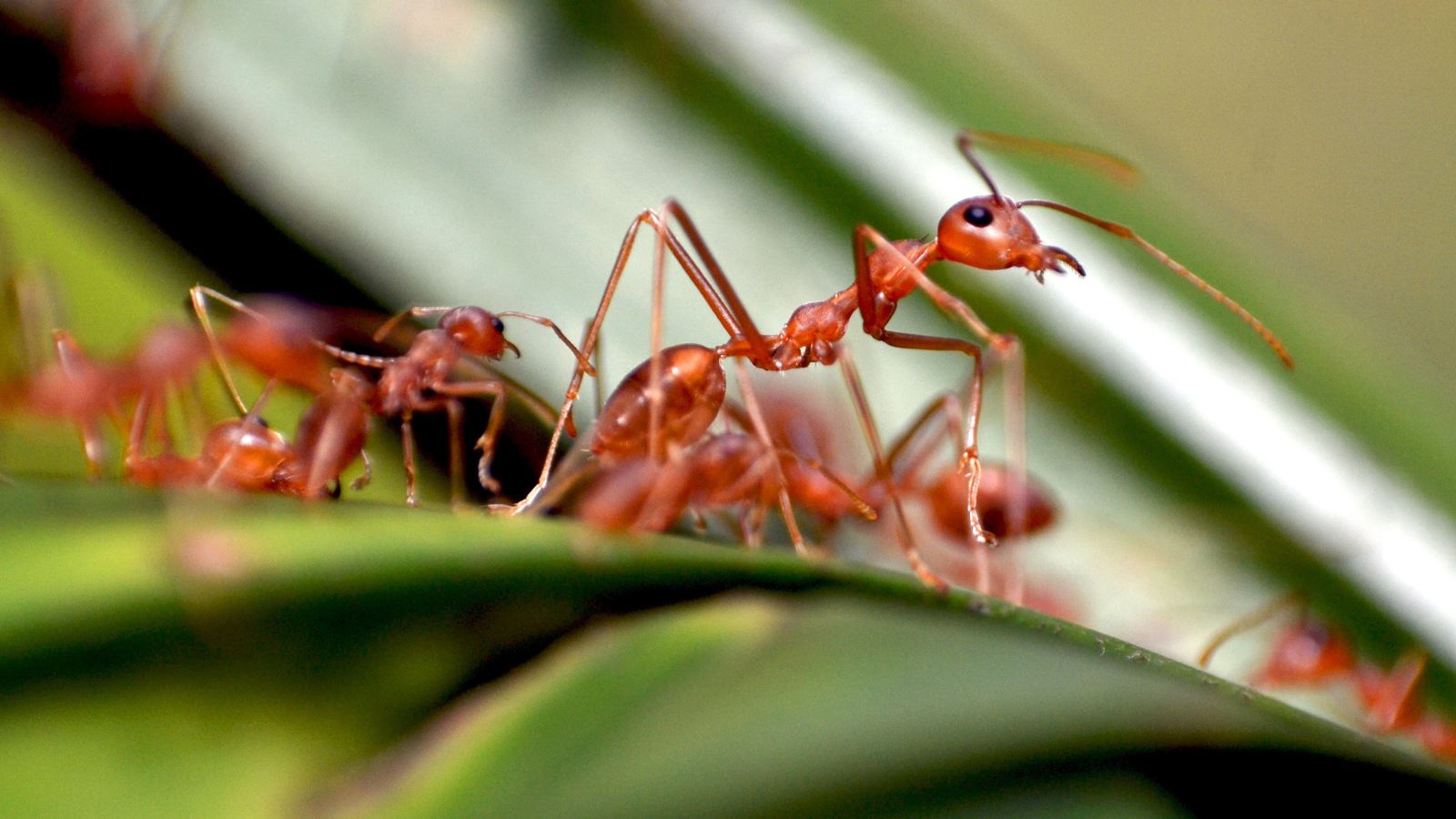
When it comes to understanding the complex structure of ant colonies, recognizing the differences between worker ants and queen ants is essential. This article will explore seven key distinctions that highlight their unique roles, sizes, and lifespans. Knowing these differences can help homeowners and investors appreciate the intriguing world of ants and draw parallels to effectively managing their own projects.
What are the main differences between worker ants and queen ants?
Worker ants and queen ants exhibit distinct differences that are crucial to their respective roles within the colony. Size and physical characteristics set them apart significantly; queen ants are generally larger, with a more pronounced thorax and abdomen relative to their head. This larger body structure supports their primary function of reproduction, as they can produce thousands of eggs during their lifespan, which can range from 15 to 30 years. In contrast, worker ants are smaller, typically living only 1 to 3 years. They lack wings and perform various tasks such as foraging for food, caring for the brood, and maintaining the nest. Their streamlined bodies allow them to navigate efficiently through the colony, contributing to daily operations.
Behaviorally, the differences are just as pronounced. Queen ants tend to move slowly and erratically, primarily remaining in the nest to focus on egg-laying. In my experience observing ant colonies, I found that worker ants exhibit a more purposeful and fast-paced movement as they orchestrate their duties outside the nest. They leave the colony frequently to gather resources and defend against threats. Worker ants are sterile females and cannot reproduce, which underscores their role in supporting the queen’s reproductive efforts.
7 Key Differences Between Worker and Queen Ants Explained
1. Size and Appearance
Queen ants are generally much larger than worker ants of the same species. This size difference is not just for show; it plays a vital role in their functions within the colony. The larger thorax and abdomen of the queen allow her to store energy and produce eggs efficiently. Interestingly, some queen ants have wings during their mating flight, which is a unique feature that worker ants lack. This winged phase is brief, as they shed their wings after mating to focus on establishing a new colony. So, if you spot a larger ant with wings, it’s likely a queen on her way to start her own colony!
2. Role and Function
The roles of worker and queen ants are distinctly defined. Queen ants are primarily responsible for reproduction, laying thousands of eggs throughout their life, while worker ants handle all the daily tasks necessary for the colony’s survival. These tasks include foraging for food, building and maintaining the nest, caring for the young, and defending the colony from predators. It’s fascinating how each worker ant plays a specific role based on age and needs within the colony. Younger workers often focus on brood care, while older ones take on foraging duties. This division of labor makes sure that the colony runs smoothly.
3. Lifespan
When it comes to lifespan, queen ants have a significant advantage over their worker counterparts. Queens can live anywhere from 15 to 30 years, while workers typically only survive for 1 to 3 years. This longevity allows queens to establish and grow multiple colonies throughout their life. The long lifespan is attributed to their rich diet during the larval stage, which equips them with the necessary nutrients to develop reproductive capabilities. In contrast, worker ants receive less food in their formative stages, leading to shorter lives focused on immediate survival and colony support.
4. Behavior
Behaviorally, queen ants and worker ants exhibit striking contrasts. Queens tend to move slowly and erratically because they are primarily focused on egg-laying rather than foraging or fighting. In my observations, worker ants are bustling with energy, moving quickly and purposefully as they carry out their various roles. They navigate their environment with impressive efficiency, communicating through pheromones to coordinate tasks effectively.
5. Reproduction
Reproduction is one of the most critical differences between queens and workers. Queen ants are fertile females capable of laying eggs continuously throughout their lives. In contrast, worker ants are sterile females that cannot reproduce. This distinction is essential for the colony’s structure; without a queen, the colony cannot grow or thrive. Interestingly, when a queen lays eggs, she can choose whether to fertilize them or not, determining whether they become male drones or female workers. This ability allows the colony to adapt its population based on environmental needs.
6. Development
The development process of queen and worker ants also varies significantly. Queen larvae receive more food than their worker counterparts during their growth stages, which equips them with the necessary nutrients to develop into fertile adults. This difference in nutrition underscores the importance of role assignment in ant colonies from an early stage. If you’ve ever wondered why some ant species thrive better than others, it often comes down to how well they allocate resources to their future queens versus workers.
7. Nesting Behavior
Nesting behavior is another area where differences emerge. Queen ants usually establish new nests after mating and do so with great care; they often choose sheltered locations that provide safety for their developing brood. Worker ants, however, are responsible for maintaining existing nests and expanding them if necessary. They work tirelessly to dig tunnels and create chambers for different purposes, such as nurseries or food storage areas. The teamwork involved in building and maintaining nests showcases the impressive organizational skills of these tiny creatures, reminding us of the importance of collaboration in achieving common goals.
Roles and Responsibilities of Worker and Queen Ants
Worker ants and queen ants have very different roles and responsibilities in an ant colony. Queen ants focus on reproduction; their primary job is to lay eggs. A healthy queen can lay thousands of eggs each day, depending on the species. These eggs will eventually hatch into either worker ants or new queens, depending on how the queen fertilizes them. Worker ants, on the other hand, do all the hard work needed to keep the colony running smoothly. They forage for food, care for the young, build and maintain the nest, and defend the colony from predators. Each worker typically has specific tasks based on their age and size. Younger workers often take care of the larvae, while older workers go out to gather food.
As I observed an ant colony once, I noticed how efficiently workers communicated through pheromones to signal danger or direct each other to food sources. This teamwork is essential for survival. If a worker ant finds a piece of food, it will leave a scent trail back to the nest so others can follow. In contrast, the queen rarely leaves the nest and focuses solely on laying eggs. While worker ants might live for just a couple of years, a queen can live for decades, making her role critical for the colony’s success over time. This clear division of labor makes sure that both the queen and worker ants contribute to the colony in unique and vital ways.
Lifespan and Behavior of Worker vs. Queen Ants
- Lifespan of Queen Ants: Queen ants can live an impressive 15 to 30 years, which is much longer than worker ants. This extended lifespan allows queens to build and maintain a colony over many years, effectively ensuring the survival and growth of their population. A queen that starts a colony in her youth might still be laying eggs while her workers are raising the next generation.
- Lifespan of Worker Ants: In contrast, worker ants usually have a much shorter lifespan, typically ranging from 1 to 3 years. Their shorter lives are packed with activity, as they are constantly busy with tasks that keep the colony running. The brevity of their lives means that they focus on immediate responsibilities, such as gathering food and caring for the queen’s eggs.
- Behavior of Queen Ants: Queen ants tend to exhibit slow and deliberate movements. They primarily remain within the nest, focusing on laying eggs and managing the colony’s reproductive needs. Their behavior is less about exploration and more about stability. If you ever watch a queen, you’ll notice how she prioritizes her energy on egg production rather than foraging for food.
- Behavior of Worker Ants: Worker ants are known for their fast-paced and purposeful movements. They are the busy bees of the ant world, constantly moving in and out of the nest to gather food, care for the young, or defend against threats. When you see a worker ant scurrying around, it’s likely on a mission, whether that’s locating food sources or alerting others to danger.
- Impact of Lifespan on Roles: The significant difference in lifespan affects how each group contributes to the colony’s success. Queens focus on long-term survival through reproduction, while workers handle day-to-day operations. This means that the colony thrives because workers are constantly replacing themselves, ensuring that there are always new members available to take on essential tasks.
- Communication Styles: Worker ants rely heavily on pheromones to communicate with each other about food sources, threats, and even the needs of the queen. This chemical communication enables them to coordinate activities efficiently. Queens, however, do not engage in such interactions; their role is more solitary and revolves around reproduction rather than collaboration.
- Adaptability: Worker ants must be adaptable due to their shorter lives, often taking on different roles as they age. Younger workers may tend to brood care while older ones shift to foraging. This adaptability helps make sure all necessary tasks get done efficiently within the colony. In contrast, queens maintain a consistent role focused solely on reproduction throughout their lives.
Understanding Ant Roles: Insights for Homeowners at BigHomeProjects.com
At Big Home Projects, we know that just like in an ant colony, each member of a home improvement project has a specific role that contributes to the overall success of the project. Think of your home as a colony where you need the right people for different tasks. Just like worker ants gather food and care for the young while the queen focuses on laying eggs, our contractors and handymen are specialized to handle various aspects of your home projects. If you need someone to build a deck, remodel a bathroom, or fix a leaky roof, having the right contractor in place is essential for making your renovation dreams come true.
Understanding these roles can help homeowners make informed decisions when selecting contractors from our directory. If you’re planning a big renovation, you want to find specialists who excel in their respective fields—just like how worker ants are great at foraging or defending the nest. Connecting with trusted local contractors through BigHomeProjects.com makes sure that each part of your project is handled by experts who know what they’re doing. This division of labor not only streamlines the process but also enhances the quality of work done on your home projects, leading to better results and ultimately more satisfaction in your living space.
Leave a Reply
You must be logged in to post a comment.