
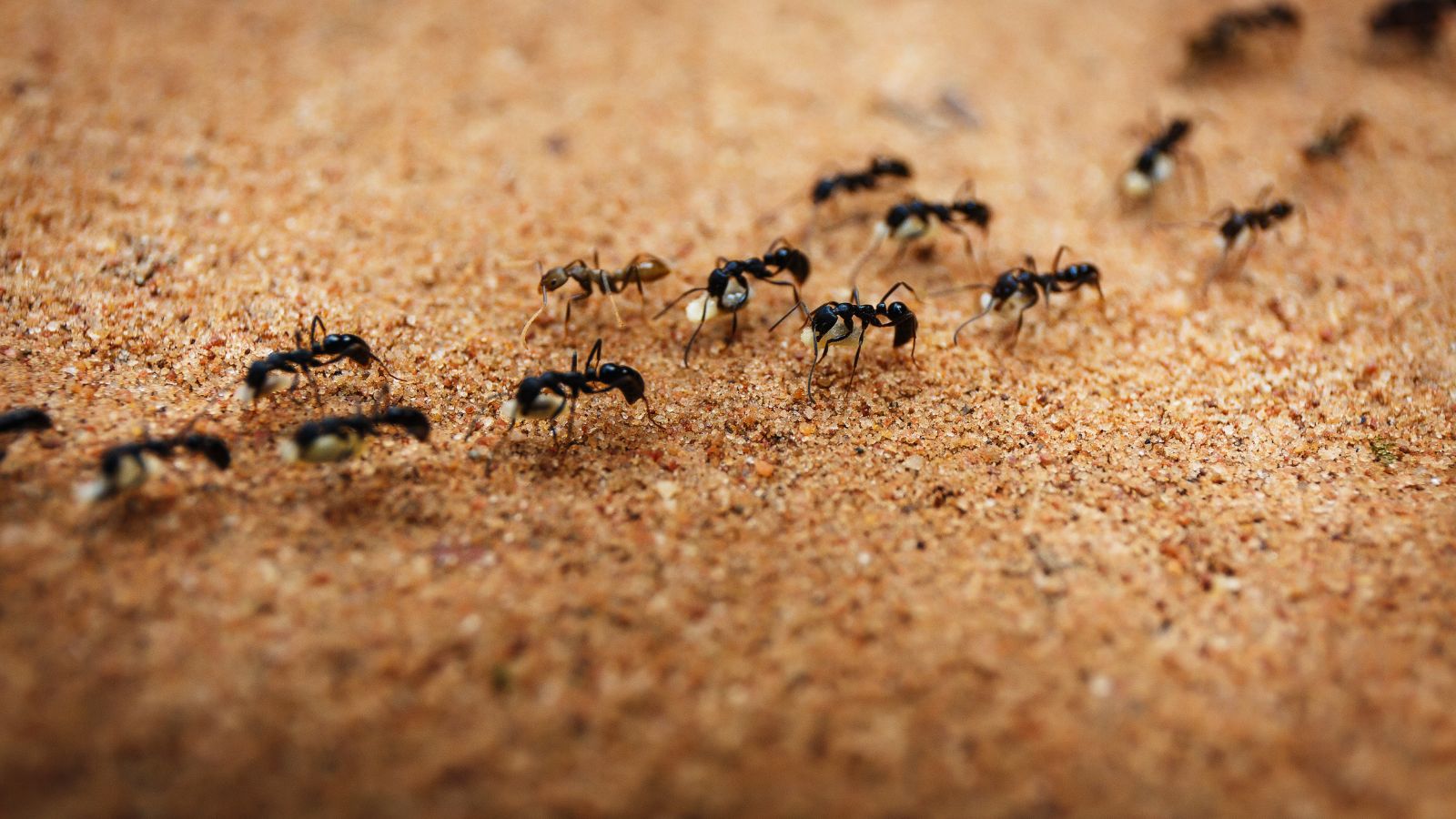
Understanding the social structures within an ant colony reveals how these tiny insects work together to survive and thrive. This article explores the distinct roles of queen ants, male drones, and worker ants, highlighting their specialized tasks and cooperation. Drawing parallels between ant colonies and home projects, we’ll also show how organization and teamwork lead to success.
What Are the Different Roles Within an Ant Colony?
Within an ant colony, roles are sharply divided among three main castes: queens, workers, and drones. Queens serve as the reproductive hub, laying thousands of eggs that ensure colony continuity. In some species, you might find multiple queens coexisting, which influences the colony’s social dynamics and growth rate. Worker ants handle everything from brood care to foraging and nest maintenance. These sterile females are the backbone of the colony’s survival, constantly adjusting their tasks based on colony needs. Drones, or male ants, exist solely to mate with queens. Their lifespan is short—usually just long enough to fulfill their reproductive role before dying off.
In my experience observing colonies in the field, the communication among these castes fascinates me. Workers use a complex system of pheromone trails and tactile signals to coordinate activities like scouting for food or defending the nest. This chemical language allows the colony to function almost like a single organism, responding swiftly to threats or opportunities. What’s striking is how efficient this social structure is; each ant knows its role, and there’s no wasted effort. This efficiency keeps the colony thriving in diverse environments, from dense forests to urban backyards. If you watch closely, you’ll notice how this division of labor minimizes conflict and maximizes survival chances.
7 Key Social Structures Found in Ant Colonies Explained
1. The Queen’s Role
The queen ant is more than just an egg-laying machine; she acts as the central figure that stabilizes the colony’s social structure. Unlike what many think, the queen doesn’t control the colony through commands but influences it through pheromones that regulate worker behavior and colony growth. You might find colonies with multiple queens, which changes how tasks get divided and can make the colony more resilient. If you ever get to observe a queen, you’ll notice her mostly stays put in the nest, focusing all energy on reproduction, which can reach thousands of eggs in her lifetime.
2. Worker Castes and Specialization
Workers are not a uniform group; they often split into subcastes based on size and function, like minors and majors, each handling different tasks such as foraging, nursing larvae, or defending the nest. This specialization maximizes efficiency in the colony’s daily operation. Larger “soldier” workers patrol and protect the colony while smaller ones tend to the brood or gather food. This division within the worker caste is a clever adaptation that lets the colony respond quickly to changing needs without confusion.
3. The Role of Drones
Drones are the colony’s male ants whose only job is to mate with queens during nuptial flights. They are winged and short-lived, often dying soon after mating. What’s interesting is that drones do not contribute to any other tasks within the colony, which makes their existence very focused but critical for genetic diversity. If you watch a nuptial flight, you’ll see drones competing fiercely for queens, which highlights how even brief roles can have a big impact on the colony’s future.
4. Hierarchy and Social Order
Ant colonies operate on a clear hierarchy where the queen stands at the top, followed by workers with different ranks based on their roles. This hierarchy is maintained without aggression through chemical signals and task allocation rather than physical dominance. You won’t see fights over power like in some animal groups; instead, ants use pheromones to keep order and maintain colony stability, which is pretty fascinating when you think about how smoothly this system runs with millions of individuals.
5. Communication Networks
Communication in ant colonies is mostly chemical, using pheromones to send messages about food sources, danger, or colony needs. Workers lay down scent trails that others follow with remarkable accuracy, creating a dynamic map of activity zones around the nest. Some species even use vibrations or tactile signals during close encounters to share information. This communication system lets ants coordinate complex tasks without a leader giving direct orders, which is a neat trick of nature that keeps things efficient.
6. Nest Construction and Maintenance
The nest is more than just a home; it’s a carefully engineered structure that regulates temperature, humidity, and protects against predators. Workers constantly repair and expand tunnels and chambers as the colony grows. Some species build nests from soil, others use leaves or resin, showing impressive adaptability. Watching ants at work on their nest reveals a high level of teamwork where each individual contributes small but essential efforts to maintain a livable environment for everyone.
7. Division of Labor and Flexibility
Even though ants have fixed roles, many colonies show surprising flexibility where workers switch tasks depending on what’s needed most at the moment. If food becomes scarce, more workers might shift focus to foraging instead of brood care. This adaptability helps the colony survive unpredictable conditions without chaos. It’s like having a team ready to step into different positions during a game—everyone chips in where they’re most useful at any given time.
How Do Queen Ants Maintain Their Role as Colony Leaders?
Queen ants keep their role in the colony mostly through chemical signals called pheromones. These pheromones spread throughout the nest and tell worker ants to focus on tasks like caring for her eggs and not starting new queens. If a queen’s pheromone levels drop, workers might sense it and start raising new queens or even attack the old one. This chemical control prevents confusion about who leads, which helps the colony run smoothly without fights or chaos.
Another way queens maintain their position is through physical dominance during early colony development. When new queens hatch, they often compete in “queen fights” where only one survives to rule. After that, the queen stays mainly inactive but uses those pheromones to keep workers loyal. Producing thousands of eggs is energy-intensive, so queens rely on workers to feed them and protect them. This system means queens lead without needing to fight or control workers directly—it’s all about keeping the chemical signals strong and steady.
What Tasks Do Worker Ants Perform to Support the Colony?
Worker ants carry out many important tasks that keep the colony alive and growing. They forage for food, using pheromone trails to find and share information about sources like nectar or insects. Workers also care for the brood, which means feeding larvae and moving them to safer or warmer parts of the nest when needed. In some species, workers even farm fungi or herd aphids to collect honeydew. I watched a group of workers carefully transport larvae to a new chamber after a flood, showing how they protect young ants during emergencies.
Nest maintenance takes up a lot of worker time too. They build and repair tunnels, clear debris, and regulate nest temperature by opening or closing entrances. Some workers act as soldiers, defending the colony from intruders using strong mandibles or chemical sprays. These tasks require coordination and flexibility; if food is scarce, more workers switch to foraging, while fewer focus on other duties. This adaptability helps the colony stay healthy even when conditions change quickly.
Key Functions and Characteristics of Each Ant Caste
- Queen Ants as Reproductive Centers: Queens focus on laying eggs and producing pheromones that keep the colony’s social balance. Some species have multiple queens, which can change how fast the colony grows and splits tasks among workers.
- Worker Ant Specialization: Workers split into subcastes like minors and majors, each handling specific tasks such as foraging, nursing, or defense. This setup helps the colony run smoothly because each worker focuses on what it does best.
- Drones’ Sole Mating Role: Drones are winged males whose only job is to mate during nuptial flights, ensuring genetic diversity. After mating, they usually die quickly and don’t take part in other colony activities.
- Chemical Communication Experts: All castes use pheromones to send detailed signals like danger alerts or food trails. This system replaces direct orders and lets ants work together seamlessly even if they never meet face-to-face.
- Hierarchy Without Violence: Ant colonies maintain order through chemical signals rather than fights. Queens emit pheromones that suppress worker reproduction and keep social ranks clear, avoiding conflict that wastes energy.
- Task Flexibility Among Workers: Workers adjust their roles based on colony needs, switching from foraging to brood care as conditions change. This flexibility helps the colony survive tough times without confusion or delay.
- Nest Builders and Maintainers: Workers design nests that regulate temperature and humidity, crucial for larvae survival. Some species use soil, while others use leaves or resin, showing how ants adapt their homes to different environments.
What Home Project Lessons Can Be Learned from Ant Colony Organization on BigHomeProjects.com
We see a lot of value in how ant colonies organize their work when thinking about home projects on BigHomeProjects.com. Just like ants divide labor among workers specialized in different tasks, homeowners and investors need to find the right contractors for specific jobs. Our directory helps connect you with local pros who focus on particular skills, whether it’s plumbing, roofing, or electrical work. This focused approach makes sure each part of a big project gets handled by experts, which helps avoid delays or mistakes—similar to how ants assign tasks to those best suited for them.
Another lesson comes from ants’ communication system. Ants use clear signals to coordinate complex tasks, which is something we emphasize on our site through reviews and detailed contractor profiles. When you pick a contractor, you want clear communication and reliability so the project runs smoothly. Our platform helps you find trusted professionals who keep things transparent and organized, much like how ants keep their colony running without confusion. This kind of teamwork and trust can make your big home projects less stressful and more successful.
Leave a Reply
You must be logged in to post a comment.