
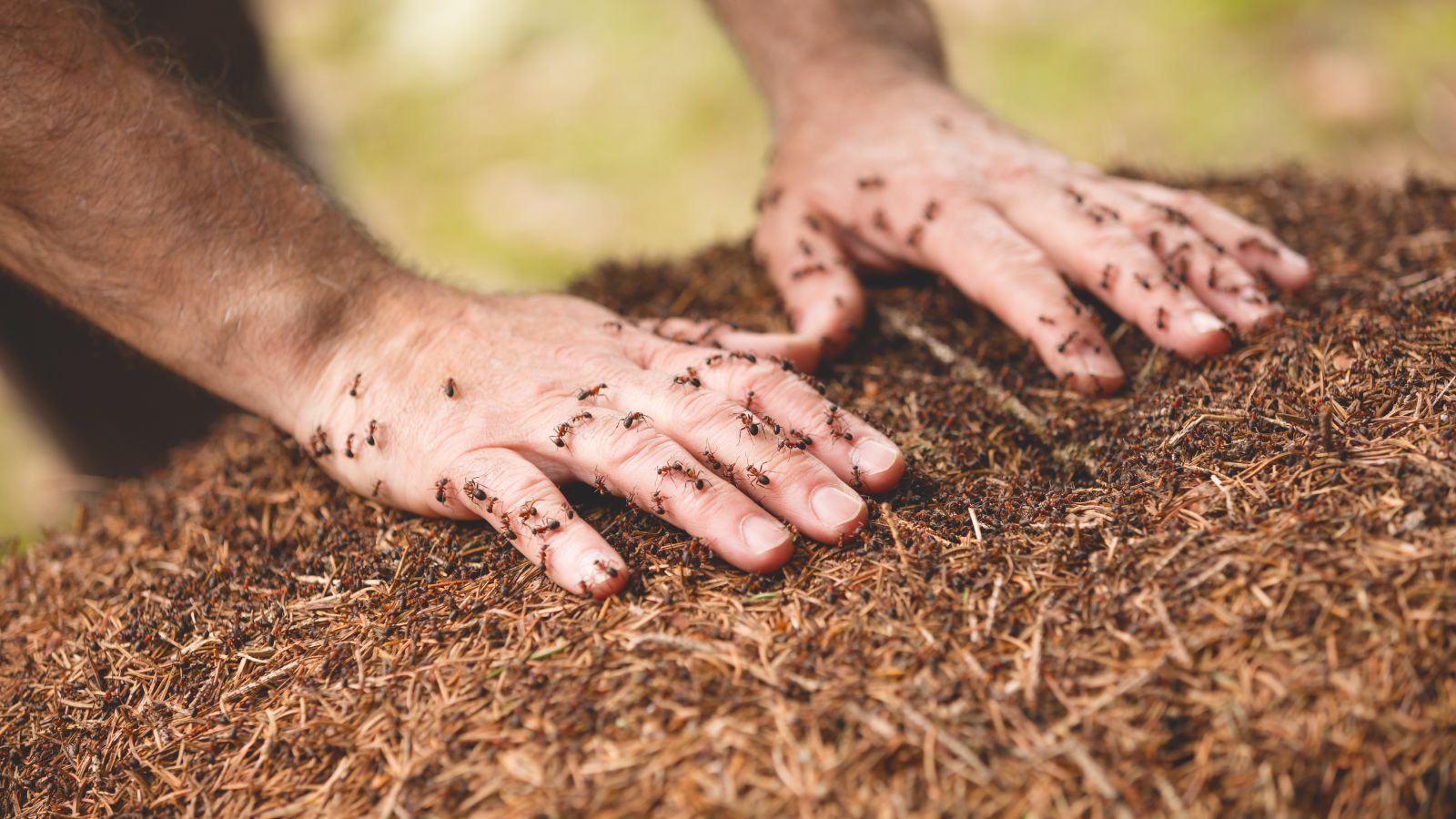
Ants are often seen as harmless creatures, but many people are caught off guard when they bite or sting. Knowing the reasons behind this behavior is essential for anyone looking to avoid painful encounters with these insects. In this article, we will explore seven reasons why some ants bite or sting, along with tips on prevention and insights into common ant species.
Why Do Some Ants Bite or Sting You?
Some ants bite or sting as a defensive mechanism when they perceive a threat to their colony or themselves. Fire ants are notorious for their aggressive behavior and will swarm intruders, delivering painful stings that can cause allergic reactions in some individuals. When I accidentally stepped too close to a fire ant mound during a hike, I quickly learned that their reaction was swift and coordinated. Within seconds, I found myself surrounded by several ants, each delivering their painful bites. This experience highlighted how certain species use biting as a territorial defense, protecting their nest and resources from perceived dangers.
Biting or stinging can also occur due to accidental contact or disturbances. Ants often react instinctively when they feel trapped, such as when someone steps on them or brushes against them. Some species utilize biting as a form of communication within their colonies, releasing pheromones that signal danger to others. This behavior is essential for maintaining colony cohesion and responding collectively to threats. Knowing these behaviors can help you avoid encounters with ants, especially aggressive species like fire ants. Staying clear of their nests and being aware of your surroundings outdoors can significantly reduce the likelihood of painful bites or stings.
7 Reasons Why Some Ants Bite or Sting You
1. Defense and Protection
Ants primarily bite or sting to defend themselves and their colonies when they sense a threat. If you get too close to their nest or accidentally disturb them, they may react aggressively. Fire ants will swarm and deliver multiple stings in a coordinated attack. It’s essential to be aware of your surroundings, especially in grassy or sandy areas where ant mounds are common. If you see small dirt mounds, consider giving them a wide berth to avoid an unpleasant encounter. Remember, their primary goal is to protect their colony, so respecting their space is key.
2. Accidental Contact
Sometimes ants bite or sting simply because of accidental contact. Imagine you’re walking barefoot in your yard and step on an ant; its instinct is to bite as a defense mechanism. This reaction is often quick and can be surprisingly painful, especially with aggressive species. To prevent this, try to wear shoes when walking in areas where ants are active. Also, be cautious when reaching into places like gardens or underbrush where ants might be foraging; a sudden touch can trigger a defensive response.
3. Protecting Food Sources
Many ant species are fiercely protective of their food sources. If you inadvertently disturb a foraging area, you might find yourself on the receiving end of an ant’s bite or sting. Sugar ants will aggressively defend sweet foods they’ve found. If you’re enjoying a picnic or outdoor snack, make sure to clean up any crumbs immediately and store food in sealed containers to avoid attracting these little defenders. Keeping your eating area clean will minimize the chances of an ant encounter.
4. Territorial Behavior
Certain ant species, like fire ants and carpenter ants, exhibit highly territorial behavior. They may view any intruder, including humans, as a threat to their territory and respond with bites or stings. Understanding that these species are more aggressive can help you avoid trouble. If you notice an ant mound, it’s best to keep a safe distance. In my experience, even just standing too close can provoke them. When hiking or exploring outdoors, stick to well-trodden paths and avoid areas where these ants are known to nest.
5. Communication
Interestingly, ants use biting as a form of communication within their colonies. When an ant bites, it often releases pheromones that signal danger to other ants nearby. This behavior is essential for alerting fellow colony members to potential threats quickly. If you’re observing ants and see one bite, pay attention to how the others react; it’s their way of coordinating defense efforts.
6. Predatory Behavior
While not common with humans, some ant species bite or sting as part of their predatory behavior when hunting smaller prey. Army ants are known for their aggressive hunting tactics, which include biting their prey to subdue it. This behavior highlights the complex role ants play in the ecosystem as both prey and predators. When observing ants in nature, take note of their hunting strategies and the types of prey they target; this can be fascinating and educational.
7. Nest Defense
Ants are incredibly protective of their nests, which serve as the heart of their colony. If they perceive any disturbance near their nest, they are likely to bite or sting to defend it. This means that even minor disturbances can trigger an aggressive response from the ants. If you’re working in your garden or yard and come across an ant nest, it’s wise to either leave it alone or take precautions if you need to move nearby. Using barriers or repellents can help manage your proximity to active nests and keep those bites at bay while allowing you to enjoy your outdoor space safely.
Understanding Ant Behavior: What Triggers Biting and Stinging?
Ants bite or sting mainly due to their survival instincts. When they feel threatened, their nervous system triggers a fight-or-flight response, leading them to defend their colony. If a human walks too close to an ant mound, the worker ants perceive this as a danger. They release alarm pheromones that signal other ants to join the defense. This coordinated attack can involve multiple ants biting or stinging to drive away the perceived threat. In fact, fire ants can deliver several painful stings in quick succession, which can lead to allergic reactions in sensitive individuals.
Accidental contact also plays a significant role in ant behavior. When ants are stepped on or brushed against, their instinct kicks in, prompting them to bite as a defense mechanism. This is especially true for aggressive species. Studies show that the likelihood of being bitten increases dramatically in areas with high ant populations, such as gardens or parks. Knowing these triggers helps in navigating outdoor spaces safely. If you see ants scurrying around, it’s best to give them space to avoid provoking their defensive actions.
How to Avoid Ant Bites and Stings in Your Home
To avoid ant bites and stings in your home, start by keeping your living spaces clean and free of food debris. Ants are attracted to crumbs, spills, and open food containers, so regularly vacuuming and wiping surfaces can help prevent them from invading. Use airtight containers for storing food, especially sugary items, to eliminate their food sources. In my experience, I left a small piece of candy on the kitchen counter overnight, and by morning, a line of ants had found it! Cleaning up right away can make a big difference in keeping these pests at bay.
Sealing entry points is crucial in preventing ants from entering your home. Inspect windows, doors, and any cracks in the walls for gaps where ants can sneak in. Use caulk or weather stripping to seal these openings. It’s also helpful to keep outdoor areas tidy; trimming back overgrown shrubs and clearing away debris can reduce the chances of ants finding their way inside. If you notice ants trailing into your home, follow their path to locate the entry point and address it immediately. Taking these steps can significantly lower the risk of ant bites and stings while keeping your home comfortable and safe.
Common Ant Species Known for Biting and Stinging
- Fire Ants: These aggressive ants are notorious for their painful stings that can cause serious allergic reactions in some people. Fire ants typically build large mounds in sunny areas, and when disturbed, they will swarm and deliver multiple stings. If you accidentally step on a mound, expect a quick response from these little warriors. Their venom contains alkaloids that can lead to a burning sensation and even blisters.
- Carpenter Ants: While not as aggressive as fire ants, carpenter ants can still bite if they feel threatened. They are known for nesting in wood, which can be a problem for homeowners. Carpenter ants can chew through wooden structures, so it’s essential to keep an eye out for them. Their bites can be painful, and they may also release formic acid as a defense mechanism, adding to the discomfort.
- Yellow Crazy Ants: This species is known for its erratic movement and aggressive behavior. Yellow crazy ants can bite and sting, and their venom contains toxins that can irritate the skin. These ants are often found in tropical regions and can form supercolonies, leading to significant infestations. If you encounter them, it’s best to steer clear, as their bites can be quite unpleasant.
- Harvester Ants: These ants are known for their painful stings, which they use to defend their nests. Harvester ants typically collect seeds and bring them back to their colonies. If you disturb their foraging or nests, they won’t hesitate to bite or sting. Their stings can cause swelling and pain, making it essential to respect their territory when hiking or exploring.
- Pavement Ants: While generally not aggressive, pavement ants can bite if they feel threatened. They often nest in cracks in pavement or sidewalks, which makes them common in urban areas. Their bites are not as painful as those of fire ants, but they can cause irritation. If you’re walking barefoot outside, be cautious around these nests to avoid any unexpected bites.
- Black Garden Ants: These common ants are usually harmless but can bite if provoked. Black garden ants are often found in gardens and yards. Their bites may pinch but are generally not painful. Still, if you disturb their nest or try to handle them, they might give you a little reminder that they’re there!
- Bulldog Ants: Found primarily in Australia, bulldog ants are among the most aggressive ant species in the world. Their venomous sting can cause severe pain and allergic reactions. If you’re ever in Australia, be aware of these ants if you venture into their territory; their stings can last for hours and are considered among the most painful insect stings!
Find Trusted Contractors for Pest Control on BigHomeProjects.com
When it comes to pest control, finding a reliable contractor is crucial, and that’s where we at BigHomeProjects.com come in. Our website is designed to connect you with trusted local contractors who specialize in pest control services. We know that dealing with pests like ants, termites, or rodents can be really stressful, so we make it easy for you to find professionals who can help. You can browse through our directory, read reviews from other homeowners, and compare services to ensure you’re choosing the right expert for your needs.
We take pride in vetting the contractors listed on our site, so you can feel confident knowing you’re hiring someone with experience and good reviews. We know that every home is different, and the pest problems you might face require tailored solutions. That’s why our platform allows you to connect directly with specialists who understand local pest issues and can provide effective treatments. If you need help with a one-time infestation or ongoing pest management, BigHomeProjects.com is here to help you find the right contractor for the job.
Leave a Reply
You must be logged in to post a comment.