
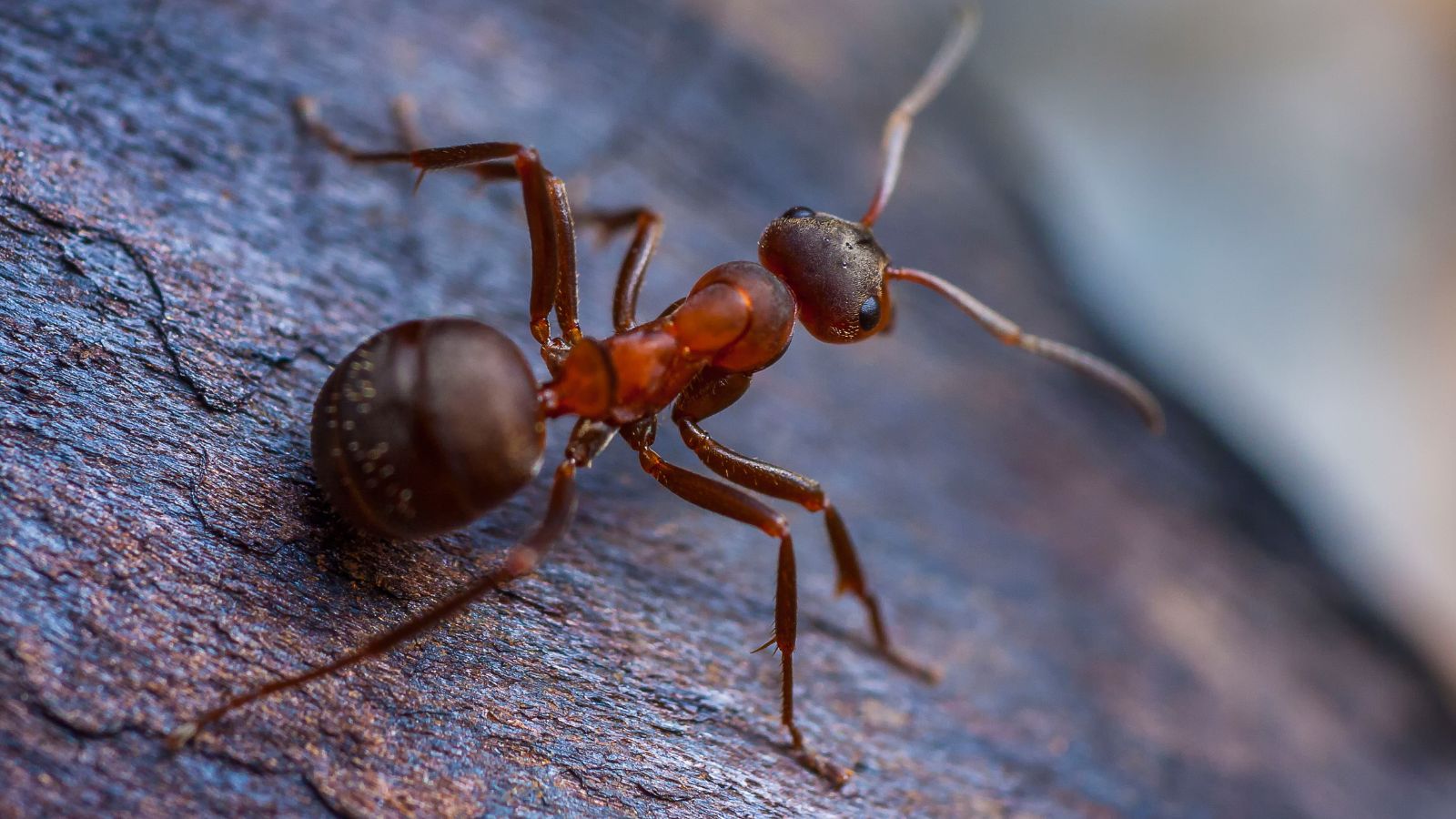
Leafcutter ants are incredible creatures with unique adaptations that ensure their survival and success. This article explores the key features that make these ants fascinating, from their fungus farming techniques to their specialized caste system. You will also find a clear breakdown of their most important adaptations and how lessons from nature can inspire efficient systems in home projects.
What makes leafcutter ants’ adaptations so unique and important to their survival?
Leafcutter ants’ adaptations stand out because they rely on a highly specialized mutualistic relationship with a Lepiotaceae fungus, which acts as an external digestive system. This fungus breaks down tough plant cellulose and detoxifies the leaves the ants collect, allowing the colony to convert otherwise indigestible plant material into rich nutrients. The ants actively maintain this fungus garden, weeding out harmful microbes and fertilizing with enzyme-rich fecal droplets to optimize fungal growth. This fungal farming is more than just food production; it creates a natural circular economy where the ants and fungus depend entirely on each other for survival. The queen carries fungal spores during her mating flight, ensuring new colonies start with a fresh fungal culture. This level of agricultural sophistication is rare in the insect world and essential for colony success.
From my own field observations, I’ve seen how their polymorphic caste system boosts efficiency in leaf processing and defense. Minor workers tend to the gardens, while mediae workers cut and transport leaf fragments that can weigh up to 20 times their body weight. Majors focus on colony defense and path clearing, allowing uninterrupted foraging and fungus care. Their use of pheromone trails coordinates large-scale harvesting across distances, and selective harvesting of young leaves avoids plant toxins, reducing colony risk. Evolutionary shifts around 20 million years ago enabled these ants to harvest fresh leaves instead of detritus, thanks to fungal enzymes neutralizing plant defenses. Considering modern nests hold millions of ants consuming more foliage than any other rainforest herbivore, these unique adaptations ensure their ecological dominance and survival.
7 Unique Adaptations That Make Leafcutter Ants Fascinating
1. Fungus Farming Symbiosis
Leafcutter ants have a farming system that’s unlike anything else in the insect world. They cultivate a special Lepiotaceae fungus, which breaks down tough plant material and detoxifies harmful compounds. What’s cool is that this fungus acts as their external digestive system, turning leaves into food the ants can actually eat. You won’t see these ants just gathering leaves randomly; they carefully tend their fungal gardens, removing unwanted molds and fertilizing with enzyme-rich droplets. This relationship is so tight that the queen carries fungal spores during her nuptial flight to start a new colony’s farm, ensuring the fungus grows alongside the ants from day one.
2. Cutting Behavior and Mandible Strength
Those tiny mandibles aren’t just for show—they can carry leaf fragments weighing up to 20 times an ant’s body weight. The way leafcutter ants slice through leaves is highly efficient, almost like natural scissors with razor-sharp edges. What’s often missed is how the different worker castes specialize in cutting specific leaf sizes and shapes, optimizing the whole process. This division of labor makes transporting large amounts of foliage smoother and faster. Watching them in action, you notice a seamless flow from cutting to carrying, which keeps the fungus garden well-fed without interruptions.
3. Polymorphic Caste System
The leafcutter colony has a clear hierarchy with roles tailored to each caste’s strengths. Minors focus on cleaning and defending the fungus gardens, mediae workers cut and transport leaves, and majors protect the nest and clear foraging trails. This division lets each ant specialize, which boosts efficiency and survival odds. What’s interesting is the behavioral flexibility within castes; some mediae ants adjust their cutting style depending on leaf toughness or size. This ability helps the colony adapt quickly to changing environments or food availability.
4. Mutualistic Relationships Beyond Fungus
While the fungus is the star partner, leafcutter ants also host bacterial symbionts that produce antibiotics to kill parasitic fungi threatening their crops. These bacteria live on the ants’ bodies and help keep their fungal gardens healthy. This triple mutualism—ants, fungus, and bacteria—creates a stable system where each partner contributes something crucial. It’s a reminder that cooperation extends beyond just two species, creating a complex network of survival strategies.
5. Pheromone Trail Communication
Leafcutter ants use pheromone trails to organize large-scale foraging efficiently. These chemical signals guide workers over long distances to the best harvesting spots and back to the nest without getting lost. Something unique is how these trails strengthen or weaken based on resource availability—the more ants follow a path, the stronger the scent becomes, which helps avoid wasting energy exploring poor areas. If you ever watch them on a trail, it looks like a well-choreographed highway system moving tons of leaf material daily.
6. Selective Leaf Harvesting
Not all leaves make it into the fungus garden. Leafcutter ants pick young, nutrient-rich leaves while avoiding plants with toxins harmful to their fungal crops. This selectivity shows their evolved ability to “farm smart.” They can detect chemical cues on plant surfaces that signal toxicity and steer clear before cutting. This behavior reduces risks of fungus contamination and crop failure, making their farming system more resilient than simple leaf collection.
7. Massive Nest Structure and Population
A single leafcutter nest can house between 3 to 8 million ants spread over more than 3,000 chambers underground. This massive structure supports intense fungal cultivation and keeps large worker populations organized in tight spaces. What’s rarely mentioned is how these chambers are designed for specific functions like fungus growing, brood care, or waste disposal—kind of like an underground city with specialized zones. Managing such complexity requires cooperation at all levels, which these ants pull off flawlessly every day.
How fungus farming boosts leafcutter ants’ efficiency and nutrition
Fungus farming improves leafcutter ants’ efficiency because the fungus breaks down cellulose, which is hard for the ants to digest on their own. The fungus produces enzymes that digest leaves and detoxify harmful chemicals, turning tough plant parts into gongylidia—special nutrient-rich structures that the larvae eat. This means the ants get high-quality food without using lots of energy chewing or processing leaves themselves. Workers also fertilize the fungus with fecal droplets full of enzymes, which helps the fungus grow faster and produce more food. This system lets the ants focus on cutting and transporting leaves instead of digesting, saving time and energy.
Nutritionally, the fungus provides a balanced diet that meets the colony’s needs better than leaves alone. Larvae feed only on gongylidia, which contain carbohydrates, proteins, and fats essential for growth. Adult workers consume leaf sap but rely on the fungus for most nutrients. This division supports the colony’s health and development. Fungus farming also protects the ants from toxins found in many plants, since fungal enzymes neutralize those chemicals before ants consume anything harmful. This reduces the risk of poisoning and keeps the colony strong even when food sources change.
The role of caste specialization in leafcutter ants’ colony success
Leafcutter ants’ caste specialization divides tasks clearly, which makes the colony run smoothly and survive challenges. Minors focus on grooming the fungus garden and defending against parasites, which keeps the crop healthy. Mediae workers handle cutting and transporting leaves with precision, adjusting their mandible use based on leaf toughness. Majors use their large heads and powerful muscles to protect the nest from predators and clear foraging paths. This clear role assignment reduces energy waste and prevents overlap in tasks, allowing the colony to process huge amounts of vegetation efficiently. In my observations, when a major ant was removed, the colony’s defense weakened quickly, showing how crucial each caste’s role is.
Caste specialization also helps the colony adapt to environmental changes. Mediae ants can switch from cutting large leaves to smaller fragments if food becomes scarce, keeping the fungus fed without interruption. Minors patrol fungus gardens constantly and remove harmful microbes with precision, preventing disease outbreaks that could devastate the colony. This division of labor works like a well-oiled machine—each caste’s specific skills combine to maintain colony health and growth. The specialization allows leafcutter ants to sustain massive nests with millions of individuals, which few other insects can manage on such a scale.
Key leafcutter ant adaptations explained in bullet points
- Advanced Enzyme Production: Leafcutter ants use fecal droplets packed with enzymes to fertilize their fungal gardens, accelerating fungus growth and boosting nutrient output. This enzymatic boost helps the fungus break down plant material faster, so the colony gets more food in less time.
- Selective Foraging Strategy: These ants don’t just grab any leaves; they target young, nutrient-rich foliage while avoiding plants full of toxins. This selective harvesting helps protect the fungus and keeps the colony healthy since toxic leaves can ruin their food source.
- Fungal Garden Hygiene: Minors constantly weed out unwanted fungi and microbes that could harm their crop. They use grooming behaviors and chemical secretions to keep the garden clean, showing how important disease prevention is for colony survival.
- Pheromone Trail Adjustment: Pheromone trails don’t just lead ants to food; they adapt based on resource availability. If a food source dries up, the scent fades quickly, redirecting workers elsewhere. This dynamic trail system guarantees ants spend energy efficiently.
- Queen’s Fungal Spore Transport: The queen carries fungal spores during her mating flight to establish a new fungal garden in a fresh colony. This ensures the symbiotic relationship starts strong from day one, vital for the colony’s future success.
- Specialized Nest Architecture: Leafcutter nests contain thousands of chambers designed for specific purposes like fungus farming, brood care, and waste disposal. This complex structure helps maintain ideal conditions for fungus growth and colony organization.
- Toxin Neutralization Evolution: Over millions of years, leafcutter ants’ fungal partners evolved enzymes that neutralize plant toxins. This adaptation lets ants exploit fresh leaves other herbivores avoid, giving them a unique feeding advantage in their ecosystem.
How BigHomeProjects.com helps contractors build sustainable and efficient systems inspired by nature
At BigHomeProjects.com, we help contractors connect with homeowners and investors who want smart, efficient projects. While we don’t design or build systems ourselves, we make it easier for contractors who focus on sustainable and nature-inspired methods to find the right clients. A contractor who uses energy-saving materials or water recycling systems can list their services, helping people looking for these eco-friendly options. We see that many contractors are interested in nature’s lessons—like how leafcutter ants organize and maintain their fungus gardens—and bring those ideas into home projects for better efficiency and sustainability.
We also know that contractors thrive when they can showcase their unique skills, such as creating systems that reduce waste or improve resource management, much like the natural circular economy leafcutter ants use. Our platform makes it simple for those contractors to highlight their specialties and connect with clients who value those adaptations. So, while we don’t create these systems ourselves, we play an important role in building a community where nature-inspired and sustainable practices can grow through trusted, local contractor connections.
Leave a Reply
You must be logged in to post a comment.