
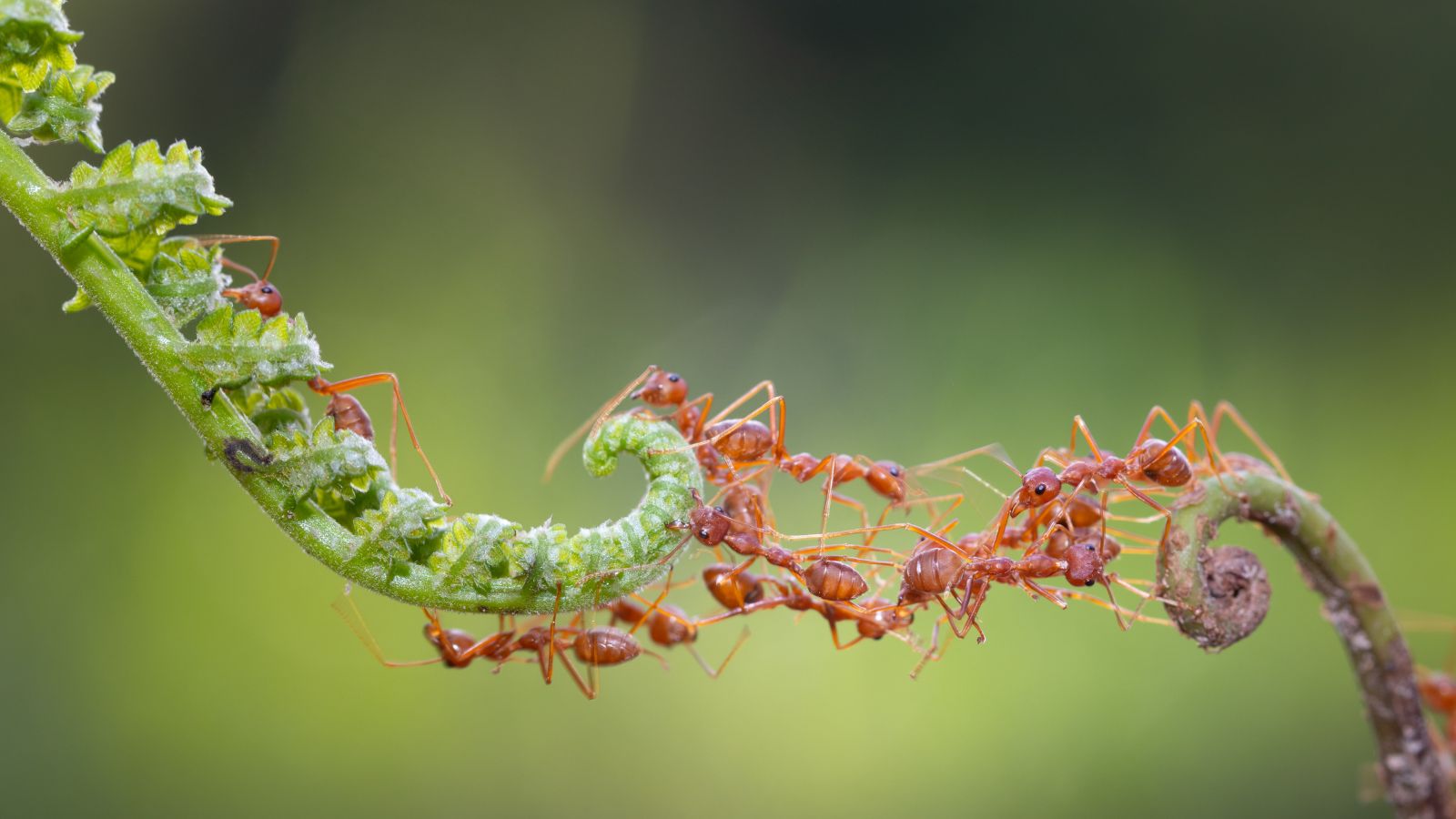
Ants play a vital role in maintaining healthy ecosystems through various natural processes that support biodiversity. This article explores seven important ways ants contribute to soil health, plant growth, pest control, and overall ecosystem stability. Understanding these roles can help homeowners and investors appreciate the value of nature while finding trusted contractors for eco-friendly projects through BigHomeProjects.com.
How do ants affect the environment and biodiversity?
Ants significantly influence environmental dynamics and biodiversity through their interactions with other species and the physical environment. They modify soil structure through bioturbation, creating tunnels that improve aeration and water infiltration, which enhances root respiration and nutrient uptake in plants. This activity fosters nutrient cycling, accelerating the decomposition of organic matter and increasing soil fertility. Ants participate in myrmecochory, a seed dispersal process where they transport seeds to nutrient-rich nests, facilitating plant recruitment and genetic diversity. Their predation on herbivorous insects helps regulate pest populations, maintaining ecological balance and reducing the need for chemical interventions.
From my experience working on a reforestation project, observing ant colonies actively shaping the microhabitats was eye-opening. Their mounds hosted various invertebrates and small vertebrates, indicating their role as ecosystem engineers. Ants also supported complex food webs, serving as prey to birds, reptiles, and mammals. Research estimates that ants contribute to 15-20% of soil bioturbation in tropical forests, a significant figure considering their relatively small size. These processes collectively boost ecosystem resilience, enabling habitats to recover from disturbances faster. So when you see ants marching around your garden or local park, you’re witnessing a critical component of nature’s support system at work.
7 Ways Ants Boost Biodiversity and Ecosystem Health
1. Soil Aeration and Nutrient Cycling
Ants dig extensive tunnel networks that loosen compacted soil, allowing air and moisture to penetrate deeper. This process helps roots breathe and absorb nutrients better, which boosts plant health. You might not realize it, but these tunnels also speed up nutrient cycling. When ants move organic material around, they mix nutrients in layers of the soil that usually stay separate, which creates a richer growing environment for plants.
2. Seed Dispersal and Plant Diversity
Some ants collect seeds with nutritious parts called elaiosomes, carry them to their nests, eat the elaiosomes, and leave the seeds to sprout. This natural seed dispersal helps plants spread to new areas and promotes genetic variation within plant populations. If you’re into gardening or land restoration, encouraging ant activity can give native plants a better chance to establish and thrive without extra effort on your part.
3. Natural Pest Control
Ants hunt and feed on a variety of insects that damage crops and garden plants. This makes them natural pest controllers that reduce the need for chemical pesticides. Unlike sprays that kill indiscriminately, ants target specific pests, which helps keep insect populations balanced and protects beneficial bugs. So when you see ants patrolling your plants, think of them as tiny bodyguards doing an important job.
4. Decomposition and Organic Matter Breakdown
Ants contribute to breaking down dead plant material and insects, which speeds up decomposition and nutrient release into the soil. They act like little recyclers, cleaning up organic waste and making nutrients available for other organisms. If you’ve ever noticed ant nests full of leaf litter and insect parts, that’s their compost pile in action, supporting ecosystem health in a very hands-on way.
5. Habitat Creation for Other Species
Ant nests create microhabitats that other creatures use for shelter and breeding. Some insects, spiders, and even small reptiles depend on abandoned ant mounds as safe spaces. This habitat creation supports species diversity at a scale you might not consider when looking at the landscape. If you want to boost local biodiversity, protecting ant nests can be an easy and effective step.
6. Food Source for Various Animals
Ants make up a significant part of the diet for many animals including birds, amphibians, reptiles, and mammals. This places ants as a crucial link in food webs, sustaining populations of predators across ecosystems. When you see wildlife active in an area, chances are ants play a silent role in feeding them and keeping those populations stable over time.
7. Ecosystem Engineering and Stability
As ecosystem engineers, ants shape the physical environment in ways that improve ecosystem resilience. Their tunneling affects water flow in soil and reduces erosion risks during heavy rains. This physical alteration helps ecosystems recover faster from disturbances like droughts or fires. If you’re interested in land conservation or restoration projects, factoring in ant activity can improve long-term stability and health of the site.
How ants improve soil quality and plant growth
Ants improve soil quality through their bioturbation activities, which mix soil horizons and increase porosity. Their excavation moves mineral particles and organic matter, enhancing cation exchange capacity (CEC) crucial for nutrient retention. This action reduces soil bulk density and promotes infiltration rates, allowing better water availability to plant roots. Ants deposit nitrogen-rich waste products and dead insects in their nests, creating nutrient hotspots that act as localized fertilizer zones. Studies show ant nests can have up to 50% higher concentrations of phosphorus and nitrogen compared to surrounding soil, which directly supports plant nutrient uptake.
Regarding plant growth, ants influence rhizosphere dynamics by altering microbial communities around roots. Their nest construction introduces beneficial bacteria and fungi, which improve nutrient solubilization and uptake. Ants also regulate soil pH within their nests, often increasing alkalinity slightly, optimizing conditions for nutrient availability. Their selective seed dispersal ensures plants germinate in nutrient-rich microsites, increasing survival rates. Research quantifies that ant activity can increase seedling establishment by 30-40%, contributing to robust plant populations without needing extra fertilizers or irrigation.
The role of ants in natural pest control and ecosystem balance
Predatory ants regulate herbivore populations through targeted foraging and aggressive territorial defense. They suppress populations of sap-sucking insects like aphids and scale insects, which reduces plant stress and disease vectors. Certain ant species employ chemical signaling to recruit workers rapidly, increasing hunting efficiency for pest insects. In agroecosystems, these ants can reduce crop damage, cutting pesticide costs significantly. Research indicates that ant predation can decrease pest populations up to 70%, improving crop yields without additional inputs.
During a field study I participated in, I observed how ants controlled caterpillar infestations on tomato plants. The ants patrolled the leaves constantly, attacking caterpillars and preventing them from eating the plants. This natural pest control saved time and money on insecticides for the farmers. Ants also contribute to ecosystem balance by influencing competitor species’ behavior and distribution, which maintains species diversity. Their presence creates a dynamic equilibrium where no single pest species dominates, keeping ecosystems healthier overall.
Key ecological benefits of ants in bullet points
- Soil Structure Modification: Ants dig tunnels and chambers that modify soil texture, improving aeration and water retention. This creates a better environment for roots to grow and access nutrients, which helps plants flourish in places where soil might otherwise be compacted or poor.
- Microhabitat Formation: Ant colonies create unique small-scale habitats within their nests that support a variety of organisms like mites, beetles, and fungi. These microhabitats increase local biodiversity and provide shelter for species that might struggle to survive in harsher conditions.
- Nutrient Redistribution: Ants transport organic material such as dead insects and plant debris into their nests, concentrating nutrients in specific spots. This localized enrichment supports plant growth and microbial activity in nutrient-poor soils, acting like natural fertilizer patches.
- Seed Predation and Selection: Some ants consume seeds selectively, which influences plant community composition. This selective pressure helps maintain plant diversity by limiting aggressive species and allowing slower-growing plants to establish.
- Food Web Integration: Ants serve as both predators and prey, linking multiple trophic levels. Their role as prey supports insectivorous animals like birds, lizards, and small mammals, while their predation keeps populations of other invertebrates in check.
- Water Flow Regulation: The tunnels and mounds ants build help regulate soil moisture by directing water infiltration and preventing erosion. This function is especially important during heavy rains, where ant activity reduces runoff and maintains soil stability.
- Behavioral Influence on Other Species: Ant presence affects the behavior of other insects and small animals, often deterring herbivores from certain plants or areas. These behavioral shifts contribute to the overall health of plant communities and ecosystem balance.
How BigHomeProjects.com connects homeowners with contractors to support eco-friendly landscaping and biodiversity initiatives
At BigHomeProjects.com, we connect homeowners and investors with trusted local contractors who can take on eco-friendly landscaping projects that promote biodiversity. Our directory makes it easy to find professionals skilled in sustainable practices, such as installing native plant gardens or using organic soil amendments. While we don’t manage the projects ourselves, our platform helps you locate contractors who focus on creating environments that support natural processes, including things like encouraging beneficial insects and reducing chemical use.
We know that finding the right contractor can be tricky, especially if you want someone with experience in green landscaping that boosts ecosystem health. That’s where our website comes in. We list contractors and handymen with verified reviews and credentials so you can pick someone reliable for your project. If you want to create a backyard that supports local wildlife or improve soil and plant health naturally, BigHomeProjects.com connects you with experts who can help turn those ideas into reality.
Leave a Reply
You must be logged in to post a comment.