
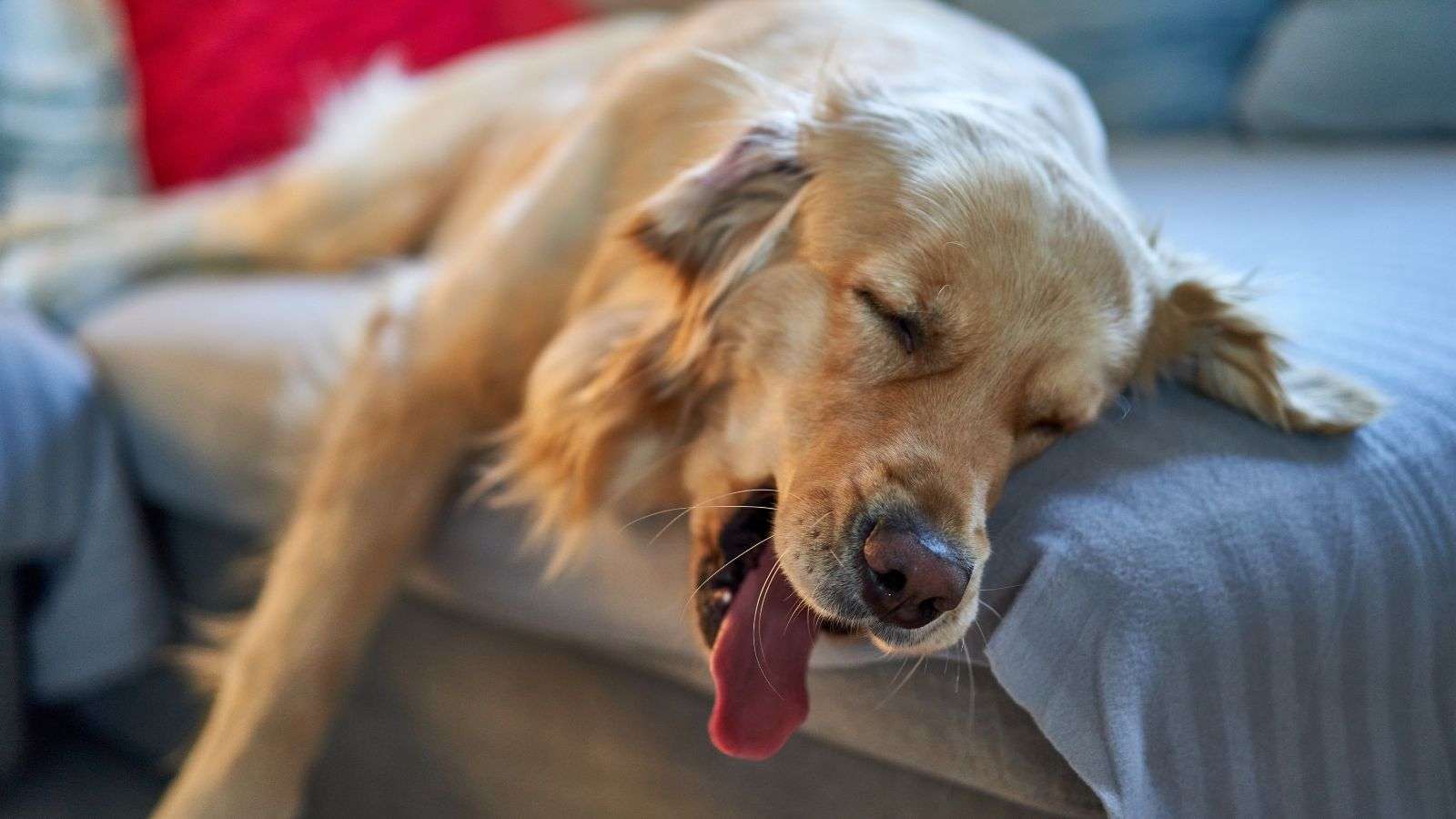
Ant infestations can be more than just a household nuisance—they may pose unexpected risks to your pets and other animals in your home. From painful bites and stings to contaminated food bowls, understanding how ants can harm your furry friends is essential for ensuring their safety. In this article, we’ll explore the potential dangers ants present to pets, practical prevention tips, and how trusted professionals from BigHomeProjects.com can help protect your home and loved ones.
Can Ants Be Harmful to Pets and Other Animals?
Yes, ants can pose risks to your pets, depending on the species and the extent of the infestation. Fire ants, for instance, are notorious for their painful stings, which can trigger allergic reactions in some pets. If your dog or cat stumbles into a fire ant mound, multiple stings could lead to swelling, redness, and severe itching. In rare cases, an allergic pet may experience anaphylaxis, which requires immediate veterinary attention. Pharaoh ants, on the other hand, are less aggressive but carry the risk of spreading harmful bacteria like Salmonella by contaminating food bowls or surfaces. If your pet eats contaminated food, it could lead to gastrointestinal distress such as vomiting or diarrhea.
I’ve personally seen issues arise with pet food bowls being invaded by ants—once, my dog refused to eat because his bowl was swarming with them. Not only did it stress him out, but it also raised concerns about whether the food was safe after the ants had crawled all over it. Plus, some ant control products people use can be even more dangerous than the ants themselves. If you’re not careful with pesticides, your pet might accidentally ingest something toxic. This makes it critical to use pet-safe solutions like diatomaceous earth or bait stations placed out of reach. It’s all about staying one step ahead of the ants without putting your furry friends at risk.
7 Ways Ants Can Harm Pets and Other Animals at Home
1. Fire Ant Stings Can Trigger Allergic Reactions
Fire ants are aggressive, and their venomous stings can cause intense pain and severe skin irritation for pets. If your dog or cat gets stung multiple times, it can lead to localized swelling, redness, and itching that might make them scratch excessively or act unusually restless. In sensitive pets, these stings can even result in an allergic reaction with symptoms like difficulty breathing or vomiting—potentially life-threatening situations that require immediate veterinary care. If you notice fire ants near your yard, keep pets away from those areas and consider using pet-safe ant control methods like bait traps formulated for fire ants.
2. Carpenter Ant Bites Can Cause Discomfort
Carpenter ants don’t sting, but they can bite if they feel threatened. While the bites aren’t venomous, they can be painful and irritating for pets, especially if the ant’s strong mandibles break the skin. Pets may lick, chew, or scratch the affected area, increasing the risk of secondary infections. If carpenter ants are frequent visitors in your home, check for signs of their nests in wooden furniture or structures. Quick action to eliminate them can prevent bites and protect your pet from unnecessary discomfort.
3. Ants in Pet Food Bowls Can Lead to Gastrointestinal Issues
Ant infestations in pet food bowls are more than just gross—they can pose health risks to your furry friends. Ants crawling through the food may carry bacteria or other contaminants that could upset your pet’s stomach. If you notice ants invading your pet’s food area, try placing the food bowl inside a shallow dish filled with water to create a moat that ants can’t cross. Regularly cleaning the feeding area and storing pet food in airtight containers also helps reduce the risk of infestation.
4. Pharaoh Ants May Spread Harmful Diseases
Pharaoh ants are tiny but problematic because they can spread harmful pathogens like Salmonella and Streptococcus. These ants often infest kitchens and areas where food is stored, potentially contaminating both human and pet food. Pets who consume contaminated food may experience diarrhea, vomiting, or other signs of digestive distress. To deter pharaoh ants, focus on sealing cracks and crevices in your home, maintaining clean surfaces, and using bait stations designed for this specific species.
5. Consuming Large Quantities of Ants Could Cause Digestive Problems
While most pets won’t intentionally eat ants, some curious cats or dogs might accidentally ingest them while exploring infested areas. While small amounts are usually harmless, eating large quantities could lead to digestive upset, vomiting, or even blockages in rare cases. If you suspect your pet has eaten a significant number of ants, monitor their behavior closely for signs of discomfort and consult your vet if necessary. To prevent this, regularly inspect areas where your pets roam and address ant infestations quickly.
6. Toxic Ant Control Products Can Endanger Pets
One of the biggest indirect risks ants pose is through the use of toxic pest control products. Many insecticides and baits contain chemicals that can harm pets if ingested or touched. Always read labels carefully and choose solutions explicitly marked as pet-safe. Alternatives like diatomaceous earth (food grade) or essential oil sprays can be effective without putting your pets at risk. Place bait stations in areas inaccessible to animals, such as behind furniture or under appliances.
7. Ant Infestations Can Stress Pets
Large ant infestations can stress pets by crawling on their fur or invading spaces they frequent. Dogs and cats might become agitated when ants invade their sleeping areas or play zones, leading to restless behavior or avoidance of those spots altogether. To minimize stress, clean up any ant trails immediately using vinegar-based cleaners and set up barriers like natural repellents (e.g., peppermint oil) near entry points. A calm environment free of pests will help make sure your pet feels secure at home.
Common Ant Species That Pose Risks to Pets
Fire ants are one of the most dangerous ant species for pets. Their venomous stings contain alkaloid toxins that cause intense pain and inflammation. Pets bitten by fire ants may experience localized swelling, red welts, and itching that they can’t ignore. In extreme cases, multiple stings can overwhelm smaller animals or trigger systemic allergic reactions like anaphylaxis, requiring emergency veterinary care. Fire ants are particularly aggressive, attacking in large numbers if disturbed, making outdoor spaces risky for pets in infested regions. If you live in areas with high fire ant activity, consider using insect growth regulators (IGRs), which disrupt ant reproductive cycles without posing risks to your pets.
Pharaoh ants are another species that can indirectly harm pets. These ants are known vectors for disease transmission, carrying harmful bacteria such as Salmonella and Streptococcus. They tend to infest kitchens, bathrooms, and areas near food, contaminating pet bowls and surfaces. Unlike other ants, pharaoh ants are difficult to control because they form multiple colonies within a single structure and can split into satellite colonies when threatened. Using boric acid bait stations strategically placed out of your pet’s reach is one effective method to manage their populations. Regularly wiping pet feeding areas with disinfectants can also lower the risk of disease transmission from pharaoh ant contamination.
How to Identify an Ant Infestation in Pet Areas
To identify an ant infestation in pet areas, look for visible ant trails near your pet’s food and water bowls. Ants often form organized lines as they travel between their colony and a food source. These trails are easiest to spot on hard surfaces like tile or hardwood floors. Check for groups of ants clustering inside or around the edges of your pet’s food bowl, especially after feeding times. You might also notice stray ants exploring areas where crumbs or spilled water are present. In my own experience, I found ants inside my dog’s elevated feeder stand—they had created a small entry point underneath where I couldn’t see right away. It took a flashlight and a close inspection to figure out where they were coming from.
Another key sign of an infestation is the presence of small piles of dirt or sawdust near baseboards, corners, or even in cracks around pet areas. These could indicate nesting sites for ants, particularly carpenter ants, which dig into wood to create their colonies. Check for tiny ant frass (droppings) near your pet’s sleeping or play zones, as some species leave behind waste material while foraging. If you notice your pet acting unusually—like avoiding certain areas or sniffing obsessively at one spot—it could be a sign that ants are present. A quick inspection around these areas can help you confirm whether ants have taken up residence nearby.
Tips to Protect Your Pets from Ant-Related Issues
- Keep feeding areas clean: Ants are drawn to leftover crumbs and spilled water, so make it a habit to wipe down your pet’s feeding area after each meal. Use a damp cloth or mild cleaning solution to remove any food particles and residue. If ants are consistently finding their way to your pet’s bowl, try placing the bowl in a shallow dish filled with water to create a moat that ants can’t cross.
- Store pet food properly: Ants can easily invade open pet food bags or containers. Keep your pet’s food in an airtight, sealed container to block ants from accessing it. For extra protection, store the container off the ground and away from walls, as ants often travel along these surfaces. If you’ve already had issues with ants in food storage, consider sprinkling diatomaceous earth around the perimeter of the storage area—it’s safe for pets but deadly for ants.
- Inspect outdoor spaces regularly: If your pets spend time outdoors, check for ant nests or trails in high-traffic areas like yards, patios, or near doorways. Fire ant mounds are especially dangerous and should be treated immediately using pet-safe products. Try adding natural barriers like crushed mint leaves or cayenne pepper around spaces where your pets like to lounge—these can repel ants without exposing your pets to harmful chemicals.
- Use pet-safe ant control products: Avoid using pesticides with harsh chemicals that could harm your pets if ingested or touched. Instead, opt for safer alternatives like bait stations placed out of reach, diatomaceous earth (food grade), or essential oil sprays made with peppermint or tea tree oil. Always read labels carefully and follow instructions to make sure your chosen product is safe for your furry friends.
- Monitor behavioral signs in your pets: Changes in your pet’s behavior can sometimes signal ant-related problems. If your dog avoids sleeping in their usual spot or your cat keeps sniffing at one area obsessively, investigate those spaces for signs of ants. Pets might become stressed or agitated when ants invade their personal areas.
- Seal entry points around the home: Ants often enter through tiny cracks and gaps near windows, doors, or baseboards. Use caulk or weather stripping to seal these openings and reduce the chances of an infestation near your pet’s areas. For added protection, apply natural repellents like vinegar or lemon juice around suspected entry points.
- Set boundaries for pet play zones: If you’ve noticed ants frequently invading certain areas of your home, keep those zones clear of food bowls, bedding, or toys. If ants tend to appear near windowsills, relocate your pet’s bed to a safer location until the infestation is under control. This helps minimize direct contact between ants and your pets.
Why Hiring Local Experts from BigHomeProjects.com Can Keep Your Home and Pets Safe
At BigHomeProjects.com, we don’t just connect homeowners with any contractor—we help you find trusted local experts who specialize in pest control and home safety solutions tailored to your needs. When it comes to ant infestations impacting your pets, these contractors can pinpoint the root of the problem, whether it’s treating fire ant mounds outdoors or sealing entry points indoors to stop ants from invading feeding areas. We list professionals who use pet-safe methods, like eco-friendly insecticides or non-toxic repellents, so you won’t have to worry about exposing your furry friends to harmful chemicals. Plus, hiring someone local means you’re working with contractors familiar with ant species common in your area—like fire ants in the South or pharaoh ants in urban neighborhoods.
We’ve built BigHomeProjects.com to make it easy for you to find contractors you can trust without spending hours researching on your own. If you’ve got concerns about ants damaging wooden structures (carpenter ants can be a real headache) or contaminating pet food, you can browse our directory for specialists who handle both pest control and structural repairs. Many of our listed contractors offer bundled services, like ant treatment alongside sealing cracks or repairing water-damaged wood where ants often nest. When you hire through BigHomeProjects.com, you’re not just obtaining a quick fix; you’re connecting with professionals who can deliver long-term solutions that ensure your home remains safe for everyone, including your pets.
Leave a Reply
You must be logged in to post a comment.