
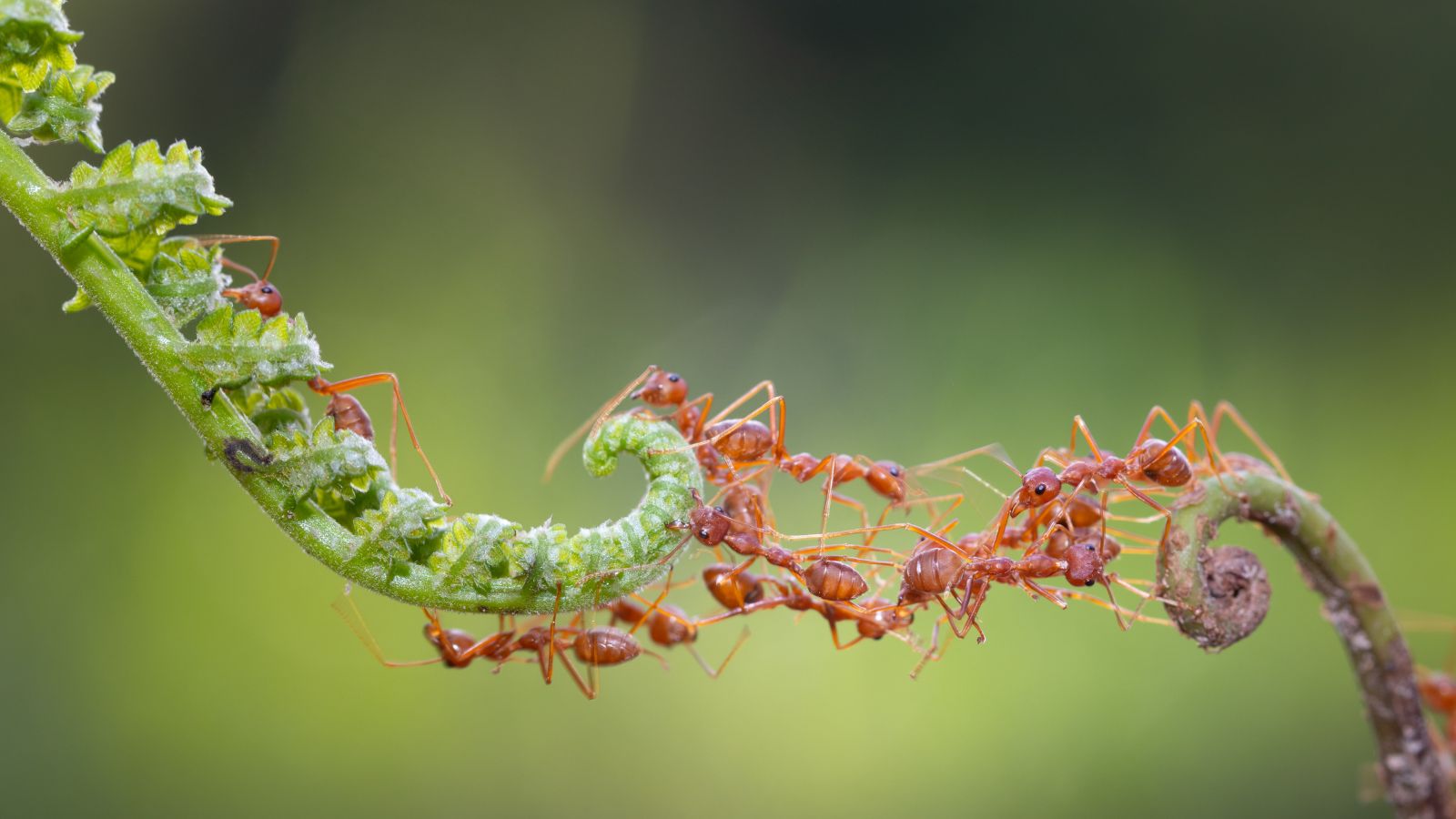
Ants play a big role in enhancing agricultural productivity through various natural processes. From improving soil structure to controlling pest populations, these industrious insects can significantly contribute to better crop yields. In this article, we will explore seven ways ants impact agricultural crops and how their presence can lead to healthier and more sustainable farming practices.
How do ants improve agricultural crop yields?
Ants enhance agricultural crop yields primarily through their roles in soil conditioning and biological pest management. Through their extensive tunneling activities, ants enhance soil aeration and water infiltration, greatly increasing moisture availability for plants. In my experience working on a sustainable farm, I noticed that fields where ant populations thrived had noticeably better water retention during dry spells. These tunnels allow water to penetrate deeper into the soil, promoting root development and supporting healthier crops. Ants contribute to nutrient cycling as they break down organic matter. Their foraging activities help redistribute nutrients, enriching the soil and leading to improved plant growth. Research indicates that farms with active ant colonies can see a yield increase of up to 20% due to these soil enhancements.
Ants play a critical role in pest control, effectively managing harmful insect populations without the need for synthetic pesticides. They prey on soft-bodied pests like aphids and caterpillars, helping to maintain a balanced ecosystem. Studies show that certain ant species can reduce pest populations by as much as 50%, directly correlating to healthier crops. I’ve witnessed this firsthand; after encouraging ant habitats on our farm, we experienced a notable decline in pest damage, which allowed us to reduce our pesticide use significantly. This not only cut costs but also promoted a more sustainable farming approach.
7 Ways Ants Impact Agricultural Crops for Better Yields
1. Soil Conditioning
Ants play a vital role in improving soil structure, which is essential for healthy crop growth. They create intricate tunnel systems as they burrow through the ground. These tunnels enhance soil aeration and water infiltration, making it easier for roots to access moisture and nutrients. You might not realize it, but the presence of ants can lead to better soil drainage, which is especially beneficial in heavy rainfall conditions. To encourage ants on your farm, consider reducing soil disturbance and implementing no-till practices. You’ll likely find that your crops thrive as a result of this natural soil conditioning.
2. Nutrient Distribution
As ants forage for food, they inadvertently redistribute nutrients throughout the soil. They collect organic debris and other plant materials, breaking them down and depositing nutrients back into the earth. This process enhances soil fertility, which is essential for robust plant growth. Surprisingly, ant activities can lead to a more diverse microbial community in the soil that further aids in nutrient cycling. To maximize this benefit, you might want to plant cover crops that attract ants, helping to create a thriving ecosystem that supports your main crops.
3. Biological Pest Management
Ants are natural predators of many harmful insects, acting as a form of biological pest control. Keeping pest populations in check reduces the need for chemical pesticides and promotes a healthier farm ecosystem. Certain ant species will protect aphids from other predators while feeding on their honeydew, indirectly managing pest populations. To encourage this behavior, create habitats that attract beneficial ant species, such as leaving some areas of your farm undisturbed for nesting. This can lead to a more balanced pest management strategy.
4. Disease Reduction
Some ant species have antimicrobial properties that can help reduce plant diseases. Research has shown that wood ants can lower the incidence of apple scab by a significant margin. This disease reduction can lead to higher-quality fruit yields. To harness this benefit, consider integrating ant-friendly practices on your farm, such as planting disease-resistant varieties near ant colonies. You’ll likely notice an improvement in plant health and reduced losses due to disease.
5. Enhanced Biodiversity
Incorporating ants into your agricultural system can increase biodiversity, which is essential for sustainable farming. Diverse ecosystems are generally more resilient and capable of withstanding pests and diseases. Ants play a key role in maintaining this balance by diluting pest resources and promoting the presence of beneficial insects. To foster biodiversity, think about implementing polyculture systems or intercropping strategies that support various plant species alongside your main crops. This approach can create a more inviting environment for ants and other beneficial organisms.
6. Increased Yield in Shaded Crops
Ants are especially beneficial in shaded crop systems, such as coffee or cacao farms. Their activities help minimize damage from non-honeydew-producing pests, leading to healthier plants and increased yields over time. The shade provided by trees can also create a more favorable microclimate for ants, allowing them to thrive. If you’re growing shaded crops, consider planting companion plants that attract ants while also benefiting your main crops. This strategy can enhance overall productivity and sustainability.
7. Economic Benefits
Utilizing ants for pest control can lead to significant economic savings on pesticides and labor costs associated with pest management. Reducing reliance on chemical inputs not only cuts expenses but also improves your farm’s environmental footprint. In my experience, farms that encourage natural ant populations often report lower pest damage and higher yields without the added costs of synthetic pesticides. To maximize these economic benefits, educate yourself about local ant species and their behaviors so you can create conditions that support their presence on your land.
The Role of Ants in Soil Conditioning and Nutrient Distribution
Ants improve soil conditioning by creating tunnels as they dig. These tunnels help air and water move through the soil better, which is essential for plant roots to grow strong and healthy. When ants burrow, they break up compacted soil, making it easier for roots to reach nutrients. This means plants can take in more water and nutrients, leading to better growth. In fact, farms that have active ant populations can see an increase in crop yields by up to 20%. So, when you see ants in the garden, think of them like tiny builders working hard to make the soil a better home for plants.
As ants move around the soil, they also help with nutrient distribution. They collect bits of organic matter, like dead leaves and decaying plants, and bring them back to their nests. This process adds nutrients back into the soil, enriching it over time. Research shows that the activities of ants can lead to a more diverse range of beneficial microbes in the soil, which helps break down organic matter even further. This means not only healthier soil but also healthier plants that can grow better and produce more food.
Ants as Natural Pest Controllers in Agriculture
Ants serve as natural pest controllers in agriculture by preying on harmful insects that can damage crops. They hunt soft-bodied pests like aphids, caterpillars, and grubs, which can cause serious problems for farmers. Studies have shown that some ant species can reduce pest populations by up to 50%, allowing crops to thrive without the need for chemical pesticides. In my own garden, I noticed that when I encouraged ants to live there, I had far fewer aphids on my plants. Instead of spraying chemicals, I let the ants do their job, and my plants grew much healthier as a result.
Ants also play a role in protecting crops by forming mutualistic relationships with certain pests. While this may sound counterintuitive, some ants protect aphids from predators in exchange for the sweet honeydew that aphids produce. However, this relationship can still help keep pest populations under control because ants will also eat other pests that threaten the plants. Creating environments that support ant colonies enhances their pest control abilities and reduces the need for expensive pesticide treatments. Using ants as allies in your farming practices can lead to healthier plants and lower costs, making them a valuable part of sustainable agriculture.
Benefits of Ants in Shaded Crop Systems
- Increased Pest Control Efficiency: Ants excel in shaded crop systems because the dense foliage provides a habitat for them to thrive. In these environments, they effectively manage pest populations that can harm crops, like caterpillars and aphids. In coffee farms where shade trees are abundant, ants have been observed keeping harmful insects at bay, which means healthier coffee plants and better yields.
- Improved Microclimate: Shaded crops create a more stable microclimate, which can be beneficial for ant activity. The cooler temperatures and higher humidity levels in shaded areas support ants’ nesting and foraging behaviors. This stability allows them to maintain their roles in pest control and soil conditioning more effectively, leading to a balanced ecosystem that supports plant growth.
- Enhanced Biodiversity: Shaded crop systems often host a variety of plant species, which in turn attracts diverse insect populations, including beneficial ants. This biodiversity is essential because it helps create a more resilient agricultural system. The presence of various plants can also provide ants with alternative food sources, making them more effective at controlling pest populations without relying solely on crop pests.
- Natural Fertilization: In shaded environments, ants contribute to natural fertilization through their foraging activities. They transport organic matter back to their nests, breaking it down into nutrient-rich compost. When this compost is deposited back into the soil, it enriches the soil and promotes healthy plant growth. You might notice that shaded areas with active ant colonies often have greener and more robust plants due to this natural process.
- Sustainable Farming Practices: Utilizing ants in shaded crop systems reduces the reliance on chemical pesticides, promoting sustainable farming practices. Allowing ants to manage pests and improve soil health can reduce costs linked to chemical inputs while maintaining crop yields. This approach not only benefits your wallet but also contributes to environmental health by minimizing chemical runoff.
- Resilience Against Climate Variability: Shaded crop systems supported by ant populations can adapt better to climate changes. The combination of shade and ant activity helps retain soil moisture during dry spells and reduces erosion during heavy rains. This resilience can be vital for maintaining consistent crop production even when weather conditions fluctuate unexpectedly.
Discover Trusted Contractors for Agricultural Projects at BigHomeProjects.com
At BigHomeProjects.com, we know that managing agricultural projects can be tough. If you’re looking to improve your farm’s infrastructure, set up irrigation systems, or even create shaded crop areas for better pest control, finding the right contractor is crucial. We provide a directory of trusted local contractors experienced in agricultural work. This makes it easy for you to connect with professionals who truly understand the unique needs of farming and can help you implement effective solutions for your land.
We know that a well-structured project can lead to better yields and healthier crops. Using our site, you can quickly access reviews and ratings of contractors who specialize in agriculture-related tasks. You won’t have to waste time searching through countless listings; instead, you can find someone who is knowledgeable about soil conditioning, pest management, and sustainable practices. This way, you can focus on what matters most—growing your crops and running your farm smoothly while we help you find the right people to assist you.
Leave a Reply
You must be logged in to post a comment.