
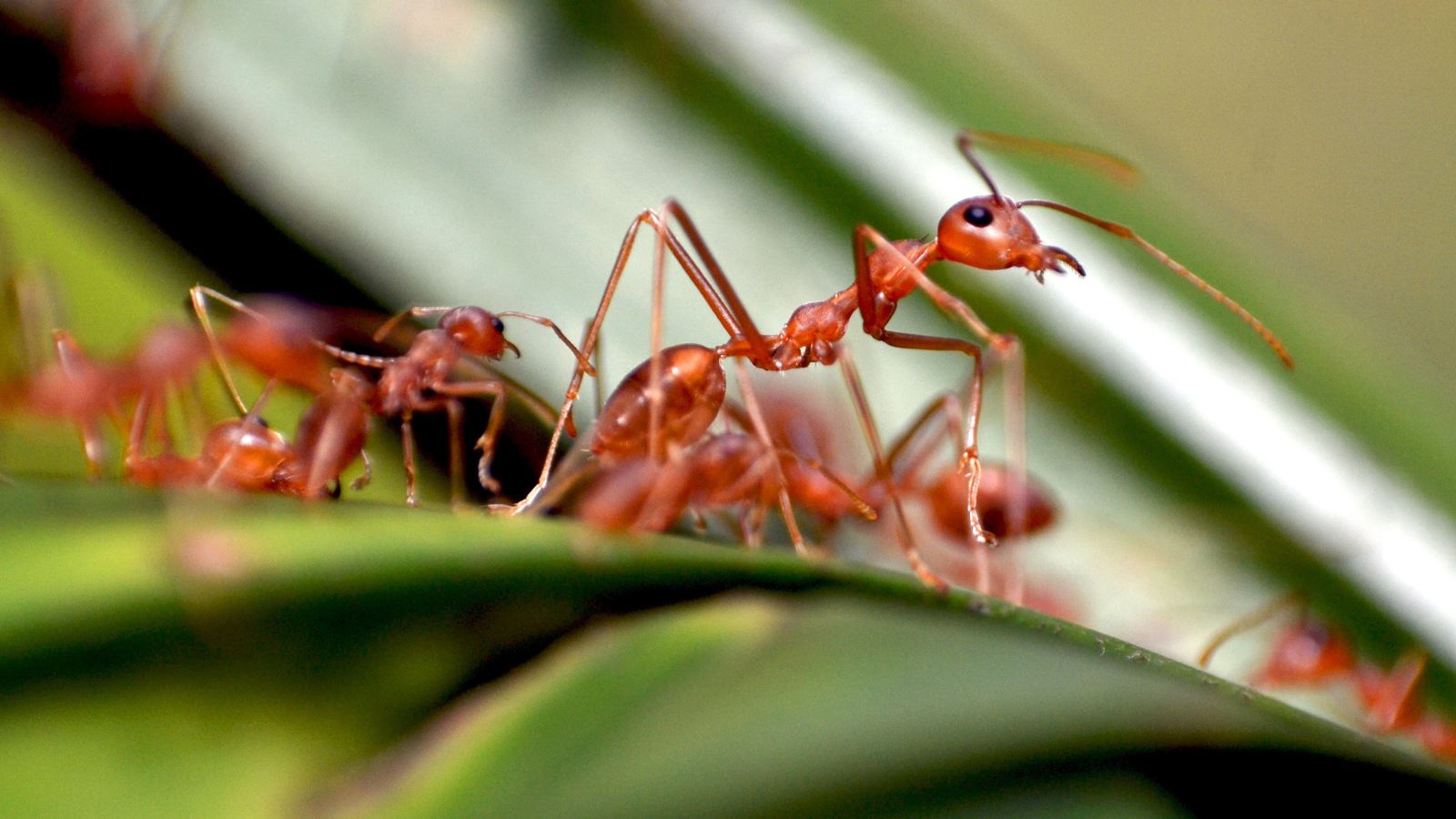
Weather plays a major role in shaping the behavior and activity levels of ants, influencing everything from their foraging patterns to their nesting habits. Understanding these effects can help homeowners anticipate ant activity, especially when planning big home projects. In this article, we will explore seven key ways weather impacts ant behavior, providing valuable insights for both homeowners and contractors.
How Does Weather Affect Ant Behavior and Activity Levels?
Weather significantly alters ant behavior and activity levels through temperature, humidity, and seasonal changes. Ants are ectothermic, meaning their body temperature depends on the surrounding environment. As temperatures rise to between 70-90°F (21-32°C), metabolic rates increase, leading to higher foraging activity and quicker movements. In contrast, when temperatures drop below 50°F (10°C), many species slow down significantly, often retreating to nests or seeking warmth indoors. Moisture also plays a major role; rainfall can enhance activity by providing necessary hydration and food sources, while excessive flooding might displace colonies. From my experience, I’ve noticed that after a good rain, I often see ants swarming around my garden, likely taking advantage of the increased food availability.
Seasonal changes further dictate ant behavior, with spring marking a period of expansion as colonies awaken from dormancy. This surge in activity can lead to increased sightings around homes as ants establish new nests. Summer typically sees peak activity levels, while fall brings a noticeable decline as temperatures cool. It’s fascinating how some species adapt their foraging schedules in response to heat, becoming more active during cooler hours of the day. I’ve often observed this firsthand; during a particularly hot summer, I noticed my local ants scurrying about in the early morning rather than the afternoon heat.
7 Ways Weather Influences Ant Behavior and Activity Levels
1. Temperature Effects
Temperature has a direct impact on ant activity levels. As the temperature rises, especially between 70-90°F (21-32°C), ants become more active and efficient in foraging. Higher temperatures boost their metabolic rates, enabling quicker movement. But when it gets too hot—over 90°F (32°C)—some species will scale back their daytime activity to avoid heat stress, opting for nocturnal foraging instead. If you’re observing ants around your home, take note of the temperature; if it’s especially hot, you might find them bustling about at night. On the flip side, when temperatures dip below 50°F (10°C), many ants retreat into their nests or find shelter indoors, which might be why you see them in your kitchen during colder months.
2. Moisture and Rainfall
Moisture levels significantly influence ant behavior. Rainfall can stimulate activity as it provides essential hydration and increases food availability—think of those times right after a rainstorm when ants seem to appear out of nowhere! Excessive rain can flood nests, forcing ants to relocate to drier ground. This is something to consider if you’re dealing with ant infestations; heavy rains might trigger their migration indoors. Interestingly, during prolonged dry spells, ants often venture into homes seeking moisture. If you notice an uptick in ant activity during these times, it’s a sign they’re looking for water sources, so check for leaks or standing water in your home.
3. Seasonal Changes
Seasonal changes play a big role in shaping ant behavior. In spring, ant colonies awaken from dormancy, leading to increased activity as they expand and establish new nests. This is the time when you might notice ants marching in lines around your garden. Summer is typically peak season for many ant species, and you’ll likely see them foraging more aggressively. As fall approaches and temperatures cool, outdoor activity declines, with ants preparing for winter by gathering food and sealing off their nests.
4. Behavioral Adaptations
Ants are remarkable for their ability to adapt their behavior based on environmental conditions. In hot climates, some species adjust their foraging schedules to the cooler parts of the day, such as early morning or late evening. They also regulate the temperature within their nests by moving brood around, ensuring that vulnerable young ants are kept in optimal conditions. This adaptability is fascinating to observe; I watched a colony of black carpenter ants change their foraging times based on the heat of the day. If you’re trying to manage ant activity in your yard, consider adjusting your own outdoor activities to avoid peak ant hours.
5. Nest Structure Modifications
Ants often modify their nests in response to weather changes. Some species build mounds or alter the structure of their nests to regulate temperature and humidity more effectively. During hot summers, they may create deeper tunnels or add insulation by incorporating leaves and soil into their nests. A well-constructed nest helps them maintain a stable environment for their colony.
6. Climate Change Impacts
Climate change is reshaping ant distribution patterns globally. Rising temperatures allow some species to expand into new areas where they were previously unable to survive. This shift can lead to increased competition among species and changes in local ecosystems. For homeowners, this means that you might start seeing different ant species in your area as climate conditions evolve. Staying informed about these changes can help you prepare for potential invasions or shifts in ant behavior. If you’re noticing new types of ants around your home, it could be a sign of these broader environmental changes.
7. Weather Prediction Abilities
While there’s anecdotal evidence suggesting that ants can predict weather changes by sensing shifts in barometric pressure, scientific research hasn’t conclusively proven this ability yet. However, many people have observed that ant activity often increases just before a rainstorm. They seem to know when moisture is on the way! If you’re watching ant behavior closely, you might find that increased activity precedes bad weather. This can be useful knowledge; if you see ants ramping up their foraging, it might be time to secure any food sources outdoors before the rain hits!
How Moisture and Rainfall Impact Ant Behavior
Moisture and rainfall significantly influence how ants behave in their environment. When it rains, ants often become more active because they need water to survive. Rain provides hydration, which is essential for their metabolism, and it creates conditions where food sources, like decaying organic matter, become more accessible. You might notice ants swarming around puddles or your garden after a rainstorm; they are likely taking advantage of the moisture to gather food and water. In fact, studies show that increased humidity levels can lead to a 30% rise in foraging activity among certain ant species, highlighting just how much they thrive in wet conditions.
On the flip side, excessive rainfall can flood ant nests, forcing colonies to relocate. This can be problematic for homeowners, as ants might seek refuge indoors when their outdoor homes are compromised. I had an experience where heavy rains flooded a nearby ant colony, and within days, I noticed a stream of them marching into my garage. They were looking for a dry place to rebuild their nests.
Seasonal Changes That Affect Ant Activity
- Spring Awakening: Spring is a vital time for ants as they emerge from their winter dormancy. During this season, ant colonies begin to expand and establish new nests. You might see them actively foraging for food to replenish their energy after the long winter months. This is the perfect time to check your garden, as you may notice ants forming lines while searching for early blooming plants or decomposing matter.
- Summer Surge: Summer typically marks the peak of ant activity. With warm temperatures and ample food sources, many species flourish during this season. You’ll likely see ants everywhere, from your backyard to your kitchen. It’s essential to keep your outdoor areas clean during this time; even small crumbs can attract large numbers of ants seeking food. In my experience, I’ve found that keeping trash bins sealed tight can significantly reduce the number of ants visiting my patio.
- Fall Preparation: As summer fades into fall, ant activity starts to decline. Ants begin to prepare for winter, which involves gathering food and sealing off their nests. You might notice them hoarding seeds or other food items so that they have enough supplies to last through the colder months. This behavior can lead to increased sightings around your home as they search for food to store. If you’ve seen ants ramping up their activity in the fall, it’s a good indication that they’re getting ready for winter.
- Winter Dormancy: In winter, many ant species enter a dormant state, significantly reducing their activity levels. They retreat deep into their nests where temperatures are more stable, conserving energy until the weather warms up again. During this time, you might not see many ants outside, but they’re still there, just waiting for the right conditions to emerge. If you live in a colder climate, this dormancy can last for several months, so you won’t have to deal with ant invasions during the chillier parts of the year.
- Temperature Fluctuations: Seasonal temperature changes can cause shifts in ant behavior even within the same season. An unseasonably warm day in late winter or early spring can trigger some ants to become active earlier than usual. This means you could see them foraging when it’s still chilly outside. It’s fascinating how adaptable ants are; they respond quickly to changing conditions, and if you notice them out and about when it’s still cool, it might be a sign that warmer weather is on the way.
Exploring Ant Behavior and Home Projects: Insights from BigHomeProjects.com
Understanding ant behavior is essential for homeowners embarking on big home projects, especially if they’re planning to do outdoor work. At BigHomeProjects.com, we often see that clients overlook the impact of seasonal changes and ant activity on their projects. If you’re planning to landscape your yard or build a deck in spring, you might find ants swarming around newly exposed soil or plants. This is when they’re most active, and they can quickly become a nuisance if you’re trying to work in that area. Knowing when to start your project can save you from unexpected encounters with these little critters, and we encourage homeowners to think about timing when they consult our directory for local contractors.
We also help contractors and handymen understand that weather conditions can affect their work opportunities. If they know that increased rainfall is expected, they might want to prepare for potential ant relocations that could lead them to homes looking for pest control services. Our platform connects these professionals with homeowners who may need immediate assistance with ant infestations during peak activity seasons. Staying informed about ant behavior and the conditions that influence it allows contractors to better serve their clients and keep projects on track. It’s all about helping everyone involved in home projects make informed decisions and find the right people to get the job done efficiently.
Leave a Reply
You must be logged in to post a comment.