
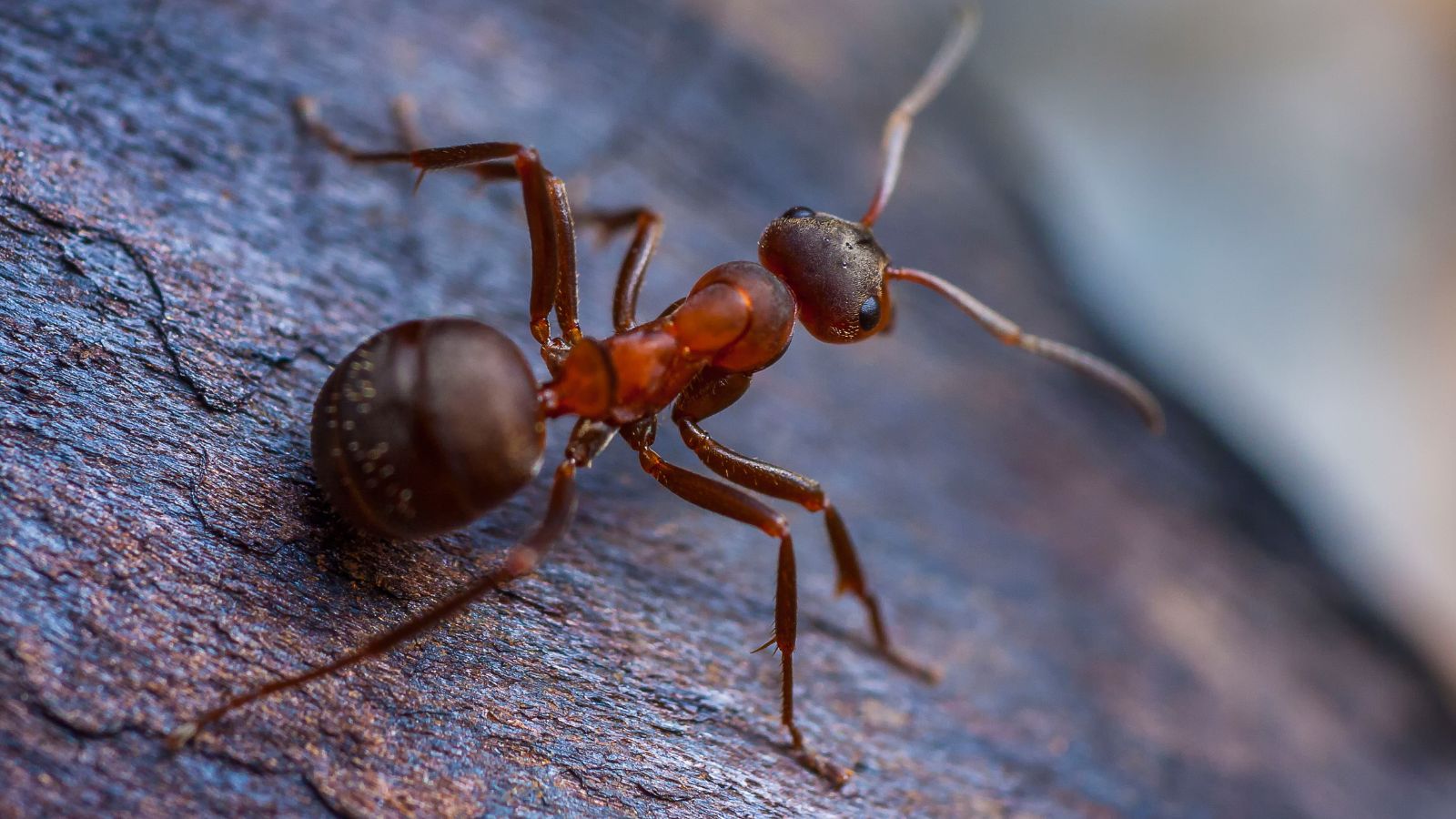
Dealing with little ants in your bathroom can be a frustrating experience, but with the right approach, you can effectively eliminate these pesky intruders. This article explores seven proven methods to tackle ant infestations, combining both natural and chemical strategies to keep your bathroom ant-free. Discover how BigHomeProjects.com can connect you with trusted local contractors for professional pest control solutions.
How Can I Effectively Eliminate Little Ants in My Bathroom?
To eliminate little ants in your bathroom, start by identifying and sealing any entry points they might be using. Check for cracks or gaps around windows, doors, and plumbing fixtures, and use caulk or weatherstripping to close them off. Keeping your bathroom clean and dry is crucial—wipe down surfaces regularly, clean up toothpaste residue, and fix any leaks quickly. Natural repellents can also be effective; try mixing peppermint oil with water and spraying it in areas where ants are seen. You can also use a vinegar solution or place citrus peels near entry points. Diatomaceous earth is another great option—sprinkle it along trails to kill ants by dehydrating them.
If natural methods aren’t enough, consider chemical treatments for tougher infestations. Use a shop-vac with a crevice tool to remove ants, and then spray bleach-water solutions to erase their pheromone trails. Granular baits and bait gels work well for targeting colonies; place them in potential nesting sites like behind the toilet or under sinks. Bait stations containing ant-killer substances can be particularly effective for species like Pharaoh ants. If you find the infestation overwhelming, hiring a professional pest control service might be your best bet. They can identify hidden issues, recommend appropriate treatments, and help make sure your bathroom stays ant-free. I’ve had success with bait gels myself—just a small dab in the right spot made a big difference in my home.
7 Effective Ways to Get Rid of Little Ants in Bathrooms
1. Identify and Seal Entry Points
The first step to stopping ants in their tracks is to figure out how they’re getting into your bathroom. Check around windows, doors, and plumbing fixtures for any little gaps or cracks. You might be surprised at how tiny an opening they need! Use caulk to seal these off or install weatherstripping where necessary. It’s a bit like putting up a “no entry” sign for ants. I found a trail of ants coming through a gap so small I couldn’t believe they were fitting through it, but sealing it made a world of difference.
2. Keep Your Bathroom Clean and Dry
Ants are always on the hunt for food and water, so keeping your bathroom spotless can really help deter them. Wipe down surfaces daily, especially around the sink where toothpaste and soap residue collect. Fix any leaks immediately, and consider using a squeegee on shower walls to keep them dry. I found that just taking a minute to dry off the sink after brushing teeth made a big difference in keeping those little pests away.
3. Use Natural Repellents
If you prefer a natural approach, essential oils like peppermint or citrus are great deterrents. Mix a few drops with water in a spray bottle and mist areas where you’ve spotted ants. Not only does it repel them, but it also leaves your bathroom smelling fresh. Another trick is to place citrus peels around entry points; ants hate the smell. I’ve used orange peels myself, and it’s amazing how quickly they seem to steer clear.
4. Apply Diatomaceous Earth
Diatomaceous earth is a fantastic natural solution for ant problems. Sprinkle it along trails or near suspected entry points. It works by damaging their exoskeletons, causing them to dehydrate and die—sounds harsh, but effective! Just make sure it’s food-grade diatomaceous earth, which is safe for pets and humans. I always keep some on hand for those times when the ants start marching in.
5. Use Chemical Treatments Sparingly
Sometimes natural methods aren’t enough, and you might need to turn to chemical treatments. Use them sparingly and according to the directions. Bait gels and stations are particularly effective; place them under sinks or behind toilets where ants frequent. These are designed to attract ants to the bait, which they then carry back to the colony, effectively eliminating the source of your problem. I’ve used bait gels when natural methods weren’t enough, and they worked like a charm.
6. Maintain Regular Cleaning Routines
Consistency in cleaning can prevent future infestations. Make vacuuming part of your routine to pick up any crumbs or residues that might attract ants. Spraying surfaces with vinegar-water solutions can keep their scent trails at bay. Even running a dehumidifier can help because ants are drawn to moisture, so keeping the air dry is a subtle but effective deterrent.
7. Call Professional Pest Control
If you’ve tried everything and those little pests are still invading your space, it might be time to bring in the pros. A professional pest control service can assess hidden issues like leaking pipes or unseen entry points and suggest more intensive treatments like fumigation if necessary. They have the expertise and tools to tackle infestations that are beyond DIY solutions. A while back, when I was at my wits’ end, calling in a professional was the best decision I made—they solved my ant problem for good!
Identifying and Sealing Entry Points for Ant Prevention
To keep ants out, you need to find where they’re sneaking in. Start by checking around doors, windows, and any places where pipes come into your bathroom. Ants are tiny, and they can squeeze through super small cracks and gaps. Grab a flashlight and look closely at these areas. You might spot tiny trails of ants or even just a few stragglers. Once you know where they’re coming from, you can block their path. Use caulk to seal up any cracks or gaps you find. If there’s a gap under a door, weatherstripping is a good tool to close it off. It’s like building a little wall to keep them out!
While you’re sealing things up, be sure to check less obvious spots too, like around the base of your toilet or under the sink where pipes go into the wall. These are common places ants find their way in. If you see any small holes or spaces, filling them with steel wool before applying caulk can add extra protection because ants can’t chew through it. It’s important to be thorough because ants are persistent and will keep searching for another way in if you don’t block all their entry points. You can even do a fun “ant hunt” by spraying a bit of soapy water along their trail; this makes them more visible and shows you exactly where they’re marching in from!
Utilizing Natural and Chemical Repellents to Deter Ants
When you’re dealing with ants, natural repellents can be a great first line of defense. Essential oils like peppermint and tea tree oil are popular because ants really dislike their strong smells. You can mix about 10 drops of one of these oils with water in a spray bottle and spritz it around areas where you’ve seen ants. It won’t harm you or your pets, but it sends ants running! Citrus peels are another option—just leave some orange or lemon peels near entry points. Ants hate the smell, and it naturally keeps them away. I’ve used peppermint oil in my own home, and it’s amazing how quickly the ants disappear after just a few sprays.
Sometimes, though, natural repellents aren’t enough, especially if you have a big ant problem. That’s when chemical repellents come into play. Bait gels are super effective because they attract ants with food-like smells. The ants take the bait back to their colony, and it helps get rid of the whole group. You can find bait gels at most hardware stores for around $10-$15. Also, aerosol sprays can be used directly on visible ants to stop them on contact. Just make sure to use them carefully and follow the instructions on the can. Remember, while chemicals can be effective, they require careful handling to keep everyone safe, including pets and kids.
Essential Cleaning Routines to Discourage Ant Infestations
- Wipe Down Surfaces Daily: Ants are always looking for food, and even the tiniest crumbs can attract them. Make it a habit to wipe down your bathroom counters and sink every day. A simple swipe with a damp cloth can make a big difference. If you have kids who love to brush their teeth with tons of toothpaste, this will help keep that sticky mess from becoming an ant buffet.
- Clean Up Spills Immediately: Whether it’s water from the shower or a few drops of juice, cleaning up spills right away helps prevent ants from finding moisture they need to survive. Use a mop or towel to absorb any water and keep those floors dry. Ants are like little detectives searching for water, so don’t give them any clues!
- Vacuum Regularly: Crumbs and dirt can easily find their way into corners and crevices. Vacuuming your bathroom floor at least once a week will help pick up any food particles that might attract ants. It’s like giving your bathroom a fresh start every time you clean it!
- Take Out Trash Often: Bathroom garbage cans can be a source of food for ants if not emptied regularly. Make sure to take out the trash every few days, especially if it contains food wrappers or tissues with sticky residues. Try using a trash can with a lid to make it even harder for ants to find a snack.
- Use Vinegar Solution for Mopping: Mopping the floor with a mix of vinegar and water once a week can help erase any ant trails they’ve left behind. It also gives your bathroom a nice shine! Ants rely on these trails to find their way back to food, so wiping them out keeps them confused.
- Check for Leaks Regularly: Inspect under sinks and around toilets for any leaks. Even tiny drips can create an inviting environment for ants. Fixing leaks not only saves water but also keeps ants from setting up camp in your bathroom.
Connecting Homeowners with Trusted Local Pest Control Contractors on BigHomeProjects.com
At BigHomeProjects.com, we know how frustrating it can be to deal with pesky ants in your home, especially when they invade your bathroom. That’s why we’ve created an easy-to-use platform to help you find trusted local pest control contractors who can tackle these tiny invaders. Our site lists professionals who specialize in handling ant infestations and other pest problems. If you’re dealing with a minor annoyance or a major infestation, you can browse through contractors in your area, read reviews from other homeowners, and choose the one that best fits your needs. We make sure that the listings on our site are up-to-date and reliable, so you can focus on getting your home back to normal without the hassle of endless searches.
We work closely with contractors so that they have the opportunity to connect with homeowners like you who need their expertise. Listing their services on BigHomeProjects.com allows contractors to showcase their skills and experience, making it easier for you to find someone who knows exactly how to tackle your specific ant issue. We provide a platform where contractors get visibility, and you get peace of mind knowing help is just a click away. It’s all about making the connection simple and effective, so you can get back to the more enjoyable parts of homeownership—without worrying about uninvited ant guests!
Leave a Reply
You must be logged in to post a comment.