
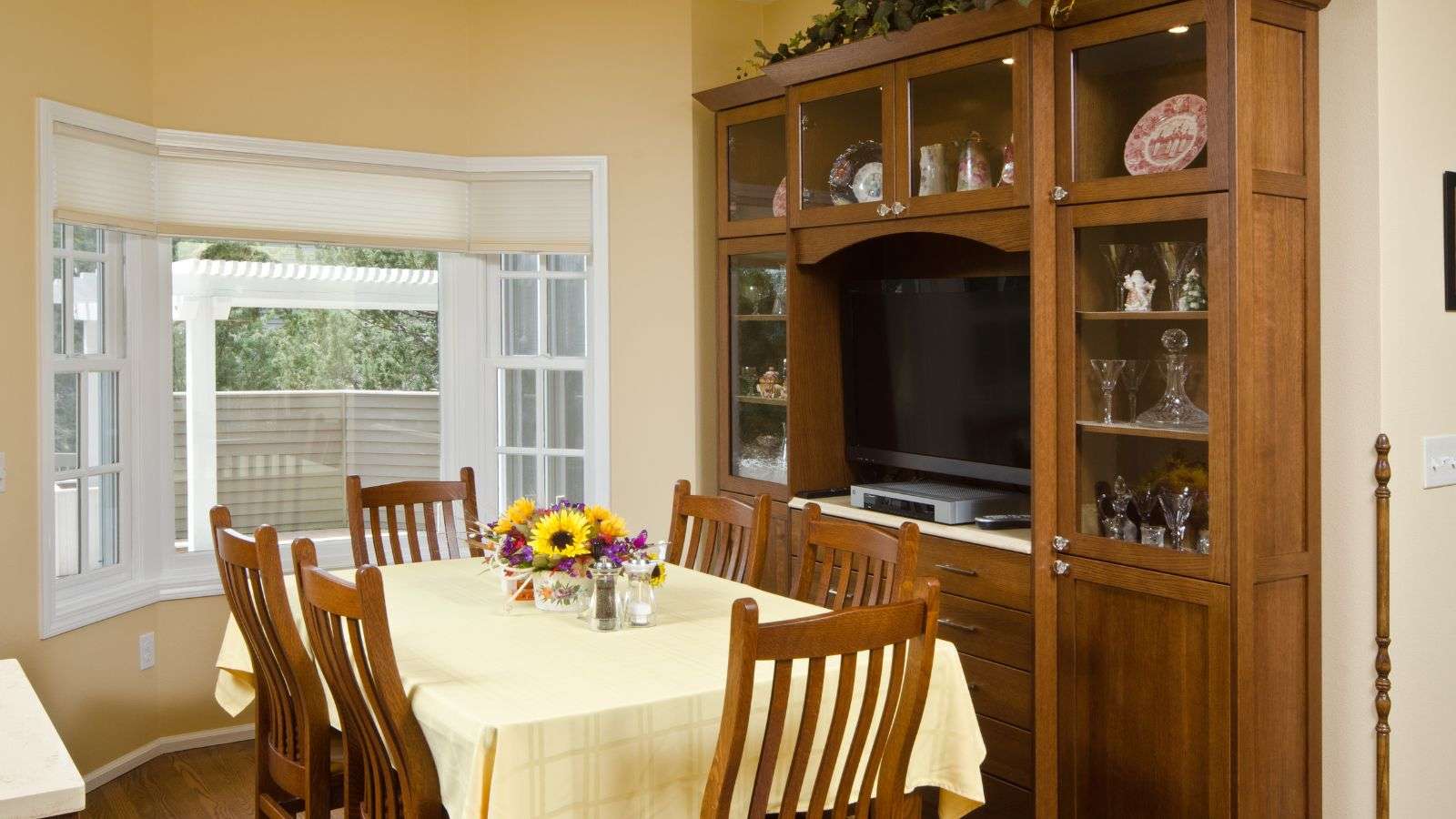
Encountering roaches in dining room cabinets is a distressing experience, especially where cleanliness and hygiene are paramount. These resilient pests can find their way into even the most well-kept spaces, compromising your comfort and health.
In this article, we present 11 targeted tactics, backed by factual information, to eradicate roaches from your dining room cabinets and maintain a pest-free area.
Why Roaches Favor Dining Room Cabinets
Roaches are often drawn to dining room cabinets due to various factors that make these spaces particularly appealing to them. Roaches may find cozy environments conducive to nesting and breeding because of the warmth that appliances like refrigerators and dishwashers produce.
The presence of food crumbs and spills in dining room cabinets serves as a readily available food source for these pests, sustaining their population and encouraging infestations. The dark and undisturbed corners of cabinets provide roaches with ideal hiding spots during the day, allowing them to remain concealed while they are most vulnerable.
Furthermore, the proximity of dining room cabinets to water sources in kitchens facilitates roaches’ survival as they require moisture to thrive. These combined factors make dining room cabinets a prime location for roaches to inhabit and multiply, posing a challenge for homeowners in managing and eradicating these unwanted intruders.
11 Essential Strategies to Eliminate Roaches in Dining Room Cabinets
1. Seal Cracks and Gaps
Inspect your dining room cabinets for any cracks or gaps that could serve as entry points for roaches. Use caulk to seal these openings effectively, preventing roaches from accessing the interior of the cabinets and nesting inside.
2. Store Food Properly
Ensure all food items in your dining room cabinets are stored in airtight containers to deny roaches easy access to their food source. Eliminating open packages and loose crumbs can help significantly reduce the attractiveness of your cabinets to these pests.
3. Use Natural remedies
Try using natural repellents such as peppermint oil or cedar blocks inside your cabinets to deter roaches. These substances can act as effective deterrents while also adding a pleasant scent to your dining room storage spaces.
4. Employ Diatomaceous Earth
Diatomaceous earth is a natural substance that can help eliminate roaches by dehydrating them upon contact. Lightly dust this powder in hard-to-reach areas of your cabinets where roaches may hide, effectively targeting and reducing their population.
5. Implement Bait Stations
Strategically place roach bait stations near or inside your dining room cabinets to attract and eliminate roaches. These stations contain poisoned bait that roaches ingest and carry back to their nests, effectively reducing the infestation over time.
6. Regular Cleaning Routine
Establish a regular cleaning routine for your dining room cabinets, focusing on removing any spilled food, crumbs, or moisture that could attract roaches. Maintaining cleanliness in these spaces can significantly decrease the likelihood of roach infestations.
7. Vacuum Crevices and Corners
Use a vacuum cleaner with a narrow attachment to thoroughly clean the crevices and corners of your dining room cabinets. Roaches often hide in these hard-to-reach areas, and regular vacuuming can help remove any eggs or debris, disrupting their nesting sites.
8. Monitor and Inspect Regularly
Set up monitoring traps inside your cabinets to track roach activity and identify the severity of the infestation. Regularly inspecting these traps allows you to gauge the effectiveness of your elimination strategies and make necessary adjustments.
9. Reduce Moisture Levels
Roaches thrive in humid environments, so it’s essential to reduce moisture levels in your dining room cabinets. Use a dehumidifier or silica gel packets to absorb excess moisture, creating an inhospitable environment for roaches to inhabit.
10. Consult Pest Control Professionals
If your roach infestation persists despite your efforts, consider consulting pest control professionals for expert assistance. They can assess the situation, recommend tailored solutions, and apply effective treatments to eradicate roaches from your dining room cabinets.
11. Maintain Vigilance
Even after successfully eliminating roaches from your dining room cabinets, it’s crucial to maintain vigilance and continue implementing preventive measures to avoid future infestations. Consistent monitoring, cleanliness, and proactive strategies can help safeguard your cabinets against roach invasions in the long term.
How to Identify Early Roach Presence
- Unusual Odors: Pay attention to any musty or oily odors emanating from your dining room cabinets, as these can indicate the presence of roaches. Roaches release pheromones that create distinctive smells, alerting you to their early presence before a visible infestation occurs.
- Droppings and Smear Marks: Keep an eye out for tiny, dark droppings or smear marks along the interior walls of your cabinets, as these are common signs of roach activity. Roaches leave behind feces and secretions as they move around, leaving visible traces of their presence.
- Egg Casings: Look for small, oval-shaped egg casings in hidden corners or crevices of your cabinets. Roaches lay these casings containing multiple eggs, indicating a potential infestation that may require prompt action to prevent further reproduction.
- Nighttime Sightings: Conduct occasional inspections of your dining room cabinets during the night when roaches are most active. If you spot roaches scurrying away upon turning on the lights, it could signal an early presence that needs addressing to prevent a full-blown infestation.
- Strange Sounds: Listen for faint rustling or clicking sounds coming from inside your cabinets, as roaches can make noise while moving or feeding. These subtle sounds may be an early indicator of roach activity that warrants investigation and intervention.
- Visible Shed Skins: Keep an eye out for translucent shed skins left behind by growing roaches. Roaches shed their exoskeletons as they mature, leaving these empty skins behind in areas where they frequent, providing a visible clue to their presence in your cabinets.
- Sudden Pet Behavior Changes: Pay attention to any sudden changes in your pets’ behavior around your dining room cabinets. Pets may exhibit heightened interest or agitation in specific areas due to detecting roach pheromones or sounds that are imperceptible to humans, signaling early roach presence.
- Grease Marks: Check for greasy smudges or stains on the exterior surfaces of your cabinets, as roaches leave behind oily residues as they navigate through spaces. These marks can serve as visual indicators of roach activity and potential nesting sites within your cabinets.
Cleaning Practices to Discourage Roach Inhabitance
- Regular Vacuuming: Routinely vacuum the interior of your dining room cabinets to remove any food crumbs, debris, or roach eggs that may attract or sustain roaches. Use a crevice tool to reach tight corners and crevices where roaches often hide and lay eggs.
- Deep Cleaning with Vinegar: Periodically deep clean your cabinets using a solution of water and vinegar, as vinegar’s acidity helps deter roaches due to its strong scent. Wipe down all surfaces, shelves, and corners with this solution to eliminate food residues and odors that could lure roaches.
- Decluttering: Maintain a clutter-free environment inside your cabinets by organizing items efficiently and reducing unnecessary clutter. Clutter provides hiding spots for roaches and makes it harder to spot signs of infestation, so keeping your cabinets well organized can deter roaches from inhabiting them.
- Proper Food Storage: Store all food items in sealed containers to prevent roaches from accessing and contaminating them. Avoid leaving open packages or loose items in your cabinets, as these can easily attract roaches in search of food sources.
- Drying Wet Areas: Address any moisture issues immediately by drying wet areas inside your cabinets to prevent roaches from seeking out water sources. Use moisture-absorbing products like silica gel packets to maintain dry conditions that are inhospitable to roaches.
- Regular Inspections: Conduct regular inspections of your dining room cabinets to check for signs of roach activity or entry points. Staying vigilant and addressing any issues early on can help prevent roaches from establishing a presence in your cabinets.
- Sealing Cracks and Gaps: Inspect your cabinets for cracks, gaps, or openings that roaches could use to enter and hide. Seal these entry points with caulk or other suitable sealants to block off potential access routes for roaches into your cabinets.
- Use of Essential Oils: Try using essential oils like lavender, eucalyptus, or tea tree oil as natural deterrents for roaches. These oils can be diluted in water and sprayed inside cabinets to repel roaches with their strong scents while also adding a pleasant aroma to your storage spaces.
Fortifying Your Cabinets Against Roach Intruders
To fortify your cabinets against roach intruders, start by sealing potential entryways, such as gaps around pipes, cracks in walls, or openings around electrical outlets, with silicone caulk or steel wool to prevent roaches from finding their way inside.
Installing door sweeps or weather stripping on cabinet doors can create a tighter seal, minimizing the chances of roaches sneaking in through the gaps. Consider applying a residual insecticide around the perimeter of your cabinets as a preventive barrier to deter roaches from approaching and entering these spaces. Regularly inspect and maintain these seals so that they are effective in keeping roaches out of your dining room cabinets.
The Power of Natural Deterrents: Safe Repellents Within Your Dining Area
Incorporating natural repellents in your dining area can serve as a safe and effective means of deterring roaches without harsh chemicals. Essential oils such as peppermint, lavender, and cedarwood are known for their strong scents that repel roaches while adding a pleasant aroma to the space.
Simply dilute a few drops of these oils in water and spray the solution around your dining room cabinets to create a barrier that roaches will find unpleasant. Another natural option is diatomaceous earth, a fine powder that can be lightly dusted in cracks or crevices where roaches may hide, effectively dehydrating and eliminating them upon contact.
These natural deterrents not only offer a safer alternative to chemical pesticides but also provide long-lasting protection against roach infestations in your dining area.
Your Regular Plan to Keep Roaches at Bay
To keep roaches at bay, establish a regular inspection routine for your dining room cabinets by checking for signs of infestation such as droppings, egg casings, or unusual odors on a weekly basis.
During inspections, vacuum the interior of cabinets to remove food crumbs and debris, and wipe down surfaces with a vinegar solution to deter roaches. Seal any cracks or gaps that may serve as entry points for roaches, and use natural repellents like essential oils or diatomaceous earth to create a barrier against these pests.
Monitor and maintain proper food storage practices to minimize attractants for roaches, and declutter cabinets to eliminate hiding spots. Incorporating these pest-control recommendations into your regular plan can help effectively prevent roach infestations in your dining room cabinets.
Integrating Your Dining Room Layout in Roach Prevention
The layout of your dining room can play a big role in roach prevention, as certain design elements can either attract or deter these pests. Roaches are attracted to dark, cluttered spaces with easy access to food and moisture, so optimizing your dining room layout to minimize hiding spots and food sources is key. Avoid overcrowding cabinets and shelves, as clutter provides ideal hiding spots for roaches.
Just make sure there is proper ventilation and lighting in your dining area to reduce moisture and create an inhospitable environment for roaches. Strategically placing furniture away from walls and keeping dining room cabinets well organized and sealed can help significantly reduce the risk of roach infestations in your dining room.
Recognizing When Professional Extermination is Needed
Knowing when to escalate to professional roach extermination services for your dining room cabinets is essential for effective pest management. Consider seeking professional help if DIY methods have been unsuccessful in eliminating roaches or if the infestation persists despite your efforts. Signs such as a significant increase in roach sightings, the ongoing presence of feces and egg casings, or a worsening infestation despite preventive measures indicate the need for expert intervention.
When facing challenging roach problems, visiting our website directory, Big Home Projects, can help you find certified professionals experienced in pest control who can offer tailored solutions to effectively eradicate roaches from your dining room cabinets.
Sustaining a Roach-Resistant Dining Space: Post-Extermination Tips
After exterminating roaches from your dining room cabinets, it’s essential to implement post-treatment practices to sustain a roach-resistant environment. Start by sealing any cracks or gaps in cabinets to prevent re-infestation, and continue using natural repellents like essential oils to deter roaches from returning. Maintain cleanliness by routinely vacuuming and wiping down surfaces with vinegar to eliminate food residues that can attract roaches.
Consider visiting our website directory, Big Home Projects, to connect with professionals who can provide ongoing maintenance services and inspections to ensure long-term protection against roach infestations in your dining space. Following these post-extermination tips and enlisting expert help when needed can help effectively safeguard your dining area against future roach problems.