
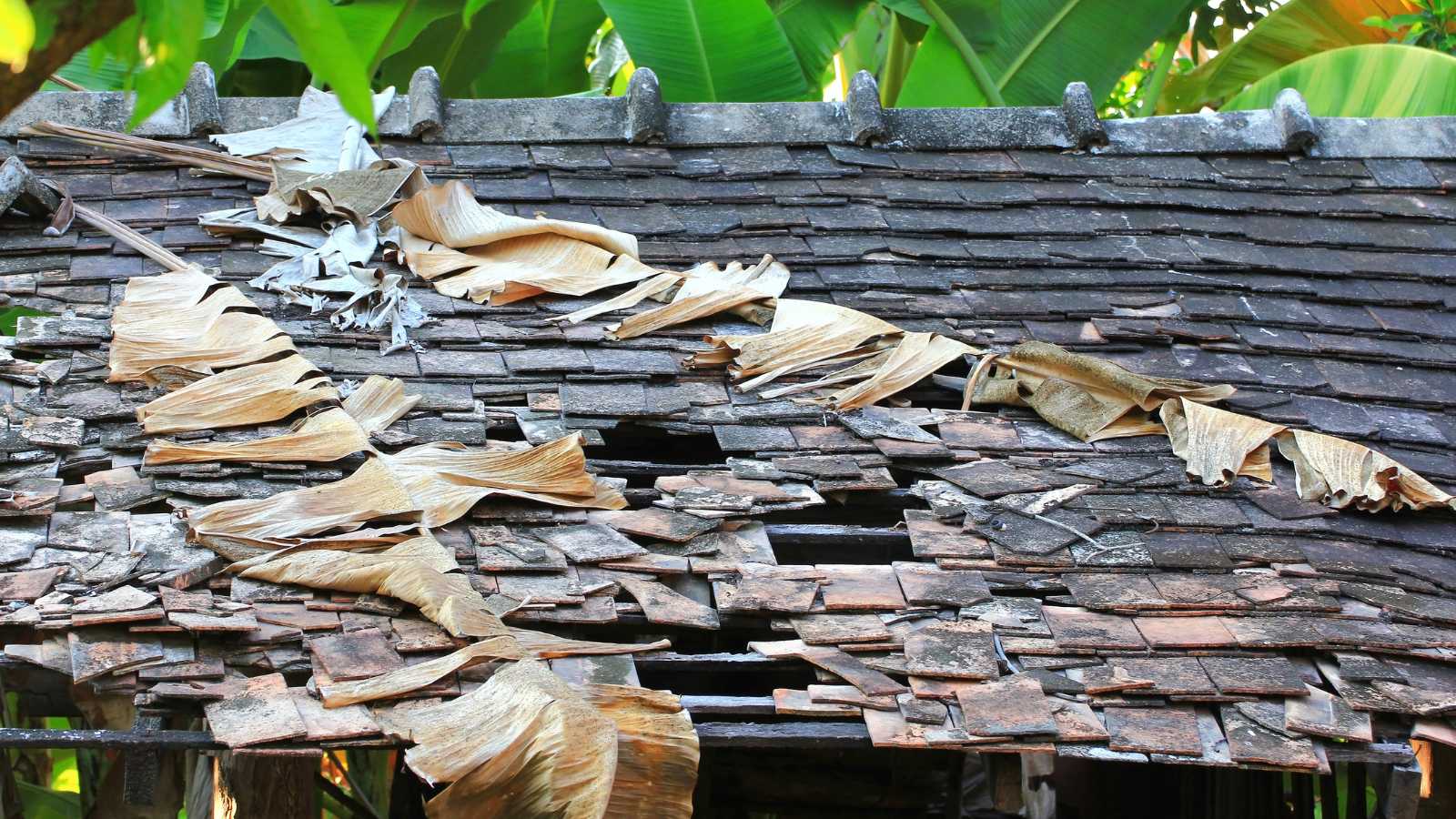
Trees can enhance the aesthetic appeal and environmental value of a property. However, without proper management, they can pose significant risks to the integrity of roofing structures. In this article, we explore various strategies and considerations to protect your roof from potential damage caused by nearby trees.
Protecting Roofs from Damage and Depreciation Due to Trees
Protecting roofs from damage and depreciation due to trees is the key to maintaining the structural integrity and longevity of a property. According to a study by the National Roofing Contractors Association, overhanging tree branches are responsible for a significant percentage of roof damage cases during storms or high winds. Regularly trimming back branches that extend near or over the roofline can significantly reduce the risk of branch-related damage, preventing costly repairs and potential leaks.
Leaf buildup on roofs poses a common threat, especially during the fall season. Research conducted by the Roofing Industry Educational Institute shows that accumulated leaves can trap moisture, leading to mold growth and water damage. Installing gutter guards can help prevent leaves from clogging gutters, ensure proper drainage and reduce the likelihood of roof deterioration.
7 Strategies to Preserve Roof Integrity
1. Regularly Trim Overhanging Branches
Regularly trimming overhanging branches that extend near or over the roofline is essential to prevent branch-related damage. If you keep branches away from your roof, they are less likely to damage it during storms or high winds by puncturing shingles, breaking tiles, and other roofing materials. If you want to do safe and proper tree maintenance that will help both the health of your trees and the longevity of your roof, you might want to hire a professional arborist or tree trimming service.
2. Clean Debris from Roof and Gutters
Regularly cleaning debris from your roof and gutters, especially during the fall and after heavy storms, can help prevent leaf buildup and water damage. Use a sturdy ladder and appropriate safety gear when clearing leaves and other debris from your roof’s surface. Consider investing in gutter guards to reduce the frequency of gutter cleaning and maintain proper drainage to protect your roof from potential deterioration.
3. Install Zinc or Copper Strips
Installing zinc or copper strips along the ridge of your roof can effectively inhibit the growth of algae and moss. These metal ions released by the strips create an environment on your roof that is unfavorable for algae and moss development. Consult with a roofing professional to determine the best placement and type of strips suitable for your specific roofing material and climate conditions.
4. Prevent Root Damage
To prevent root damage from trees, avoid planting them too close to your home’s foundation, underground pipes, or septic system. Tree roots can extend far beyond the canopy of the tree and may disrupt underground drainage systems, leading to water accumulation and soil erosion around the foundation. Consult with a professional arborist before planting trees near your home so that they are compatible with your property’s infrastructure.
5. Address Wildlife Habitat Concerns
Dealing with wildlife habitat concerns near trees involves taking proactive steps to deter birds, squirrels, and rodents from causing damage to your roof. Consider installing bird spikes on gutters and vents to discourage nesting, and use squirrel-proofing methods to prevent rodents from accessing your roof. Regularly inspect your roof for signs of wildlife activity and quickly address any issues to protect your roof from potential damage.
6. Maintain Proper Tree Care
Maintaining proper care for trees surrounding your property can significantly impact the health of your roof. Just make sure trees are pruned regularly to promote healthy growth and reduce the risk of falling branches. Properly water and fertilize trees to maintain their vitality and minimize the likelihood of root damage to your home’s foundation. Consulting with a certified arborist can provide valuable insights into tree care best practices tailored to your specific landscape.
7. Conduct Routine Roof Inspections
Regular roof inspections are essential for identifying potential issues early and addressing them quickly. Schedule routine inspections by a professional roofing contractor to assess the condition of your roof, including signs of damage from nearby trees. Dealing with minor problems early can prevent them from escalating into costly repairs or structural issues, ultimately preserving the integrity of your roof for years to come.
How Often Should Trees Be Trimmed to Prevent Roof Damage?
Regular tree trimming is essential to prevent roof damage caused by overhanging branches. The frequency of tree trimming depends on various factors, such as the tree species, growth rate, proximity to the roof, and local climate conditions. In general, trees near roofs should be trimmed at least once a year to maintain a safe distance between branches and the roofline, reducing the risk of damage during storms or high winds. Research from the Arbor Day Foundation suggests that regular tree maintenance not only protects your roof but also promotes overall tree health and longevity.
For fast-growing tree species or trees located very close to the roof, more frequent trimming may be necessary to prevent branches from encroaching on the roofline. Some trees may require bi-annual or seasonal trimming for the best safety and protection for your roof. Consulting with a professional arborist can provide insights into the specific trimming schedule required for the trees on your property based on their growth patterns and proximity to your roof.
What Are the Common Signs of Tree-Related Roof Damage?
- Visible Roof Damage: One common sign of tree-related roof damage is visible physical harm to the roof surface, such as punctured shingles, broken tiles, or dented metal roofing. These damages can be caused by falling branches or debris from nearby trees during storms or high winds. For example, if you notice missing shingles or dents on your roof after a windy day, it could indicate tree-related damage.
- Water Stains or Leaks: Water stains on ceilings or walls inside the house can be indicative of roof damage caused by tree-related issues like clogged gutters from leaf buildup or damaged roofing materials. If left unaddressed, water leaks can lead to mold growth, structural damage, and further deterioration of the roof. Regularly inspecting your attic and ceilings for water stains can help detect tree-related roof damage early.
- Gutter Blockages: Another common sign of tree-related roof damage is gutter blockages caused by leaves, twigs, and debris falling from overhanging branches. Clogged gutters can prevent proper drainage, leading to water pooling on the roof and potential water damage. Installing gutter guards and regularly cleaning gutters can help prevent blockages and protect your roof from tree-related issues.
- Increased Presence of Wildlife: If you notice an increased presence of wildlife like birds nesting in gutters or squirrels running across your roof, it could signal tree-related roof damage. Wildlife activity on the roof can lead to further damage as animals may gnaw on roofing materials or chew through wires. Taking action to deter wildlife and addressing any underlying tree-related issues can help prevent roof damage caused by animals.
- Interior Damage: Tree-related roof damage can manifest internally through signs like sagging ceilings, peeling paint, or visible mold growth. These interior damages may indicate long-standing roof issues caused by nearby trees, such as excessive moisture buildup from leaf accumulation or damaged roof components. Promptly addressing interior damages can help prevent further deterioration of the roof structure.
Can Professional Arborists Help Protect My Roof?
Professional arborists play a big role in helping homeowners protect their roofs from potential tree-related damage. Arborists are trained experts in tree care and maintenance, possessing the knowledge and skills to assess tree health, identify potential risks, and recommend appropriate pruning techniques to prevent branches from encroaching on roofs. According to the International Society of Arboriculture, hiring a certified arborist can help get the right tree trimming practices that promote tree health while reducing the risk of roof damage.
Arborists can also provide valuable insights into selecting tree species that are less likely to pose risks to roofs or foundations. If you talk to an arborist before planting trees near your home, you can make smart choices about where to put the trees and what kind of trees to plant so that roots don’t get damaged or branches don’t fall. Professional arborists can suggest ways to keep trees that could damage nearby buildings from falling, like installing tree support systems or bracing, to make the trees more stable. Homeowners can make a proactive tree care plan with the help of arborists that not only protects their roofs but also improves the health and longevity of their trees and landscapes.
What Are the Benefits of Regular Roof Inspections by Big Home Project-Verified Contractors?
- Early Detection of Tree-Related Issues: Regular roof inspections by Big Home Projects-verified contractors can help in the early detection of tree-related problems such as overhanging branches, leaf buildup, or signs of wildlife activity on the roof. Detecting these issues early allows for prompt action to address potential risks and prevent costly roof damage. For example, during an inspection, a contractor may identify branches that need trimming to prevent them from causing damage during the next storm.
- Preservation of Roof Integrity: By conducting routine roof inspections, verified contractors can help preserve the integrity of the roof by identifying and addressing any tree-related damage quickly. Maintaining a solid roof structure is essential for protecting the home from water leaks, mold growth, and other issues that can arise from tree-related damage. Through regular inspections, contractors can help ensure that the roof remains in optimal condition and functions effectively in protecting the property.
- Enhanced Property Value: Regular roof inspections by verified contractors can contribute to enhancing the overall value of the property by ensuring that the roof is well-maintained and free from tree-related risks. A well-maintained roof not only adds to the aesthetic appeal of the property but also provides peace of mind to homeowners, knowing that their investment is protected.
How Does Tree Placement Impact Roof Longevity?
The placement of trees near a property can have a significant impact on the longevity of the roof. Trees planted too close to a home can pose risks such as root damage, overhanging branches, and debris accumulation on the roof. Research from the University of Florida Extension indicates that trees planted within 20 feet of a structure can potentially cause damage to the foundation and roof over time. Proper tree placement is essential to prevent roots from compromising underground utilities, drainage systems, and the structural integrity of the home.
Strategic tree placement can help extend the lifespan of the roof by minimizing potential risks. Homeowners can make it less likely for branches to fall on the roof, leaves to build up in the gutters, and roots to grow into the foundation by planting trees a safe distance away. A professional arborist can help you choose tree species that are less likely to damage roofs and buildings if you plan ahead and talk to them. Homeowners can make a landscape design that protects their roof and makes their property look better by thinking about things like tree growth patterns, canopy size, and how close the trees are to the house.
What Types of Trees Pose the Greatest Risk to Roofing Structures?
- Fast-Growing Trees: Fast-growing trees like Silver Maple, Poplar, or Willow pose a significant risk to roofing structures due to their rapid growth rate and expansive root systems. These trees can quickly grow large limbs that may hang over roofs, increasing the likelihood of branch damage during storms or high winds. For example, Silver Maple trees are known for their fast growth and brittle wood, making them prone to shedding branches that can potentially damage roofs.
- Trees with Invasive Roots: Trees with invasive root systems such as Willows, Birch, or Cottonwoods can pose a risk to roofing structures by seeking out moisture and nutrients near foundations. The aggressive roots of these trees can penetrate underground utilities, drainage systems, and even the foundation of the home, leading to structural damage over time. Planting these trees too close to the house can result in root intrusion issues that compromise the stability of the roof and the overall property.
- Heavy Limbed Trees: Trees with heavy limbs, such as oak, ash, or elm trees, can pose a risk to roofing structures by dropping large branches that can cause significant damage upon impact. The weight of these branches can put stress on the roof’s structure, leading to shingle damage, dents in metal roofing, or even structural instability. Proper maintenance and trimming of heavy-limbed trees are essential to prevent branch-related roof damage and protect the longevity of the roofing structure.
Leveraging Verified Contractors on Big Home Projects for Gutter Guard Installation
Leveraging verified contractors on Big Home Projects for gutter guard installation can provide homeowners with professional expertise and quality service. Gutter guards are essential for preventing debris buildup and maintaining proper drainage on roofs, ultimately protecting against water damage and extending the lifespan of the roof. According to a study by the National Association of Home Builders, gutter guards can reduce the frequency of gutter cleaning by up to 80%, saving homeowners time and effort in roof maintenance.
Verified contractors on Big Home Projects have the experience and knowledge to recommend the most suitable gutter guard options based on the specific needs of a property. People who hire these contractors can help make sure that gutter guards are installed correctly and effectively to protect their roofs from problems like leaf buildup and gutters that get clogged. Having gutter guards professionally installed can not only improve how well the roof drains water, but it can also help keep the roof in good shape and make it last longer.