
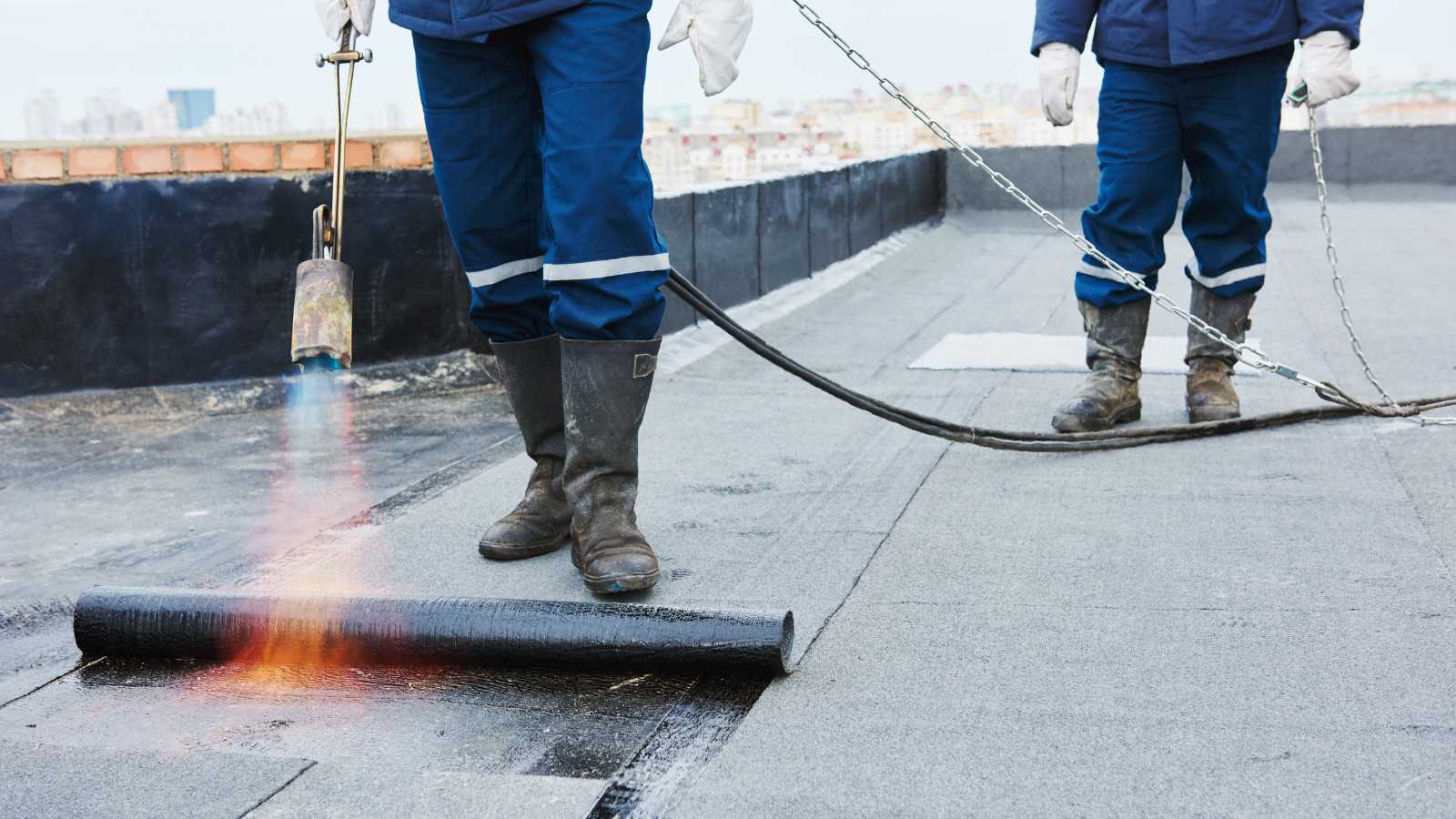
In their quest to choose the ideal roofing system, homeowners and contractors weigh the attributes of various materials against weather conditions, budget, and longevity. Modified bitumen and built-up roofing (BUR) systems stand as two commonly compared options, each with its strengths and weaknesses. In this article, we’ll explore the nuances of both roofing types to determine which might be the best fit for your project and how Big Home Projects can be a part of your decision-making process.
Roof Lifespan Comparison: Modified Bitumen vs Built-Up Roofing Systems
When comparing the lifespan of Modified Bitumen and Built-Up Roofing Systems, it’s important to consider their durability and maintenance requirements. Built-Up Roofing Systems, commonly known as tar and gravel roofs, are known for their longevity and ability to withstand harsh weather conditions. They typically have a longer lifespan compared to Modified Bitumen roofs, making them a cost-effective choice in the long run. On the other hand, Modified Bitumen roofs offer durability and flexibility, but they require more regular maintenance to ensure their longevity.
In terms of lifespan statistics, Built-Up Roofing Systems can last anywhere from 20 to 30 years, while Modified Bitumen roofs generally have a lifespan of around 10 to 20 years. Factors such as climate suitability, quality of installation, and regular maintenance play crucial roles in determining the actual lifespan of these roofing systems. Homeowners and contractors should carefully consider these factors when choosing between Modified Bitumen and Built-Up Roofing Systems to ensure the longevity and performance of their roofs in the long term.
5 Key Factors Impacting the Longevity of Modified Bitumen and Built-Up Roofing
1. Climate Suitability
The climate in which the roofing system is installed plays a significant role in its longevity. Both Modified Bitumen and Built-Up Roofing Systems have specific climate requirements for optimal performance. For example, extreme temperature fluctuations, high humidity, or heavy rainfall can impact the durability of these roofing systems differently. You need to choose a roofing material that is suitable for the specific climate conditions of your region to ensure longevity and performance.
2. Quality of Installation
The quality of the installation process is essential for the longevity of Modified Bitumen and Built-Up Roofing Systems. Proper installation techniques, adherence to manufacturer guidelines, and attention to detail during the installation process can significantly impact the lifespan of the roof. Hiring experienced and skilled roofing contractors who have expertise in installing these specific roofing systems is essential to maintaining a durable and long-lasting roof.
3. Regular Maintenance
Regular maintenance is key to extending the lifespan of both Modified Bitumen and Built-Up Roofing Systems. Inspecting the roof regularly for signs of damage, repairing any leaks or punctures quickly, and keeping the roof clean from debris can prevent premature deterioration and prolong the life of the roof. Implementing a scheduled maintenance plan that includes inspections and minor repairs can help homeowners maintain the integrity of their roofing system over time.
4. Shingle Material Selection
The type of shingle material selected for Modified Bitumen and Built-Up Roofing Systems can impact their longevity. Choosing high-quality shingle materials that are durable, weather-resistant, and suitable for the specific roof design is essential for ensuring a long-lasting roof. Different shingle materials have varying levels of durability and performance characteristics, so homeowners should carefully consider the pros and cons of each material before making a selection.
5. Quality of Underlayment
The quality of the underlayment used beneath Modified Bitumen and Built-Up Roofing Systems is critical for protecting the roof from moisture infiltration and providing additional insulation. High-quality underlayment can enhance the durability and longevity of the roofing system by acting as a barrier against water intrusion and reducing heat loss. Investing in premium underlayment materials that are compatible with the chosen roofing system can contribute to a more robust and resilient roof structure.
How Does Installation Quality Affect Roofing Lifespan?
The quality of installation significantly impacts the lifespan of a roofing system. Proper installation techniques make sure the roofing materials are applied correctly, minimizing the risk of leaks, structural damage, and premature deterioration. Statistics show that a poorly installed roof is more likely to experience issues such as water infiltration, sagging, and reduced durability over time. For example, a study by a roofing industry association found that roofs with subpar installations had a 25% higher chance of developing leaks within the first five years compared to well-installed roofs.
High-quality installation not only extends the lifespan of the roof but also enhances its overall performance and energy efficiency. Well-installed roofing systems provide better protection against weather elements, reducing the risk of water damage and mold growth. Properly installed roofs are also less prone to wind uplift during storms, which can lead to costly repairs and replacements. Homeowners should prioritize hiring experienced and reputable roofing contractors who follow industry best practices to ensure the longevity and durability of their roofing systems.
What maintenance strategies extend roof life?
Implementing regular maintenance strategies is essential for extending the lifespan of a roof. Scheduled inspections to identify and address minor issues before they escalate can prevent costly repairs and premature deterioration. Statistics indicate that roofs that receive regular maintenance have been shown to last up to 25% longer than those that do not undergo consistent upkeep. For example, a study conducted by a roofing maintenance company found that roofs with biannual inspections and maintenance had fewer leaks and structural issues over time.
In addition to inspections, cleaning the roof surface from debris, moss, and algae buildup can help maintain its integrity and prevent moisture-related issues. Clearing gutters and downspouts regularly ensures proper water drainage, reducing the risk of water pooling and potential leaks. Homeowners can also consider applying protective coatings or sealants to enhance the roof’s resistance to UV rays, weather damage, and wear over time.
Can climate influence the choice between modified bitumen and BUR?
Climate plays a significant role in determining the suitability of roofing materials such as modified bitumen and built-up roofing (BUR) systems. In regions with extreme temperature variations or frequent inclement weather, the choice between these two roofing systems can be influenced by climate considerations. For example, BUR systems, with their multiple layers of bitumen and reinforcement, offer enhanced protection against harsh weather conditions like heavy snow loads or intense heat. On the other hand, modified bitumen roofs, with their lightweight and flexible nature, may be more suitable for regions with milder climates where extreme weather events are less common.
Statistics show that the performance and longevity of roofing systems are directly impacted by the climate in which they are installed. Research conducted by roofing industry experts has demonstrated that roofs that are appropriately matched to the climate of their location tend to have a longer lifespan and require fewer repairs over time. For instance, areas prone to high winds may benefit from the added stability provided by BUR systems, while regions with high humidity levels might favor the flexibility and moisture resistance of modified bitumen roofs.
What Are the Environmental Impacts of These Roofing Systems?
The environmental impacts of roofing systems, such as modified bitumen and built-up roofing (BUR), can vary based on factors like material composition, installation methods, and disposal practices. BUR systems, which often incorporate layers of bitumen and gravel, can have a higher environmental impact due to the extraction and processing of raw materials involved in their production. On the other hand, modified bitumen roofs, which are typically lighter and require less energy to manufacture, may have a lower environmental footprint in terms of material usage and transportation.
Studies have shown that roofing materials can contribute to energy consumption and greenhouse gas emissions throughout their lifecycle, from production to installation and maintenance. Research conducted by environmental agencies has highlighted the importance of selecting roofing systems that are energy-efficient, durable, and recyclable to minimize environmental impacts. For example, the use of reflective coatings on modified bitumen roofs can help reduce heat absorption, lower cooling costs, and decrease carbon emissions associated with building energy consumption.
How Can Big Home Projects Help in Choosing the Right Roofing Contractor?
Big Home Projects can be a valuable resource in helping homeowners choose the right roofing contractor for their needs. Homeowners may obtain comprehensive details about each contractor’s experience, qualifications, and client feedback by using the online directory’s vast database of roofing-services-focused vendors. With the abundance of information available, homeowners may choose wisely based on the particular services provided, company features, and credentials of every contractor on Big Home Projects. According to research, homeowners who utilize internet directories such as Big Home Projects have a higher chance of finding reliable contractors and are happier with the results of their home renovation projects.
Big Home Projects’ community-focused platform allows homeowners to connect with other users, share experiences, and seek recommendations for roofing contractors. The platform’s interactive features, such as customer reviews, business verifications, and FAQ sections, provide transparency and credibility in the contractor selection process. For instance, homeowners can benefit from the insights shared by other community members who have previously hired roofing contractors through Big Home Projects, gaining valuable perspectives and guidance in choosing the right contractor for their roofing needs.
When is the right time to replace my current roofing system?
The right time to replace a current roofing system depends on various factors, including the age of the roof, visible signs of damage or deterioration, and the frequency of maintenance and repairs. Industry standards suggest that most roofs have a lifespan of 20 to 30 years, depending on the materials used and environmental conditions. If your roof is approaching or has exceeded this typical lifespan, it may be time to consider a replacement to ensure the safety and integrity of your home.
Visible signs of roof damage, such as missing or curling shingles, water leaks, sagging areas, or mold growth, indicate that the roofing system is compromised and may require replacement. Ignoring these warning signs can lead to more extensive damage to the structure of your home and potentially costly repairs in the long run. It’s essential to have a professional roofing inspection to assess the condition of your roof and determine whether replacement is necessary.
When considering the lifespan of a roof, there are several key factors to take into account when comparing modified bitumen and built-up roofing systems. One important factor is the material composition. Modified bitumen roofs consist of layers of asphalt-based materials that have been modified with polymers or other additives to enhance durability and flexibility. On the other hand, BUR systems are made up of multiple layers of asphalt-