
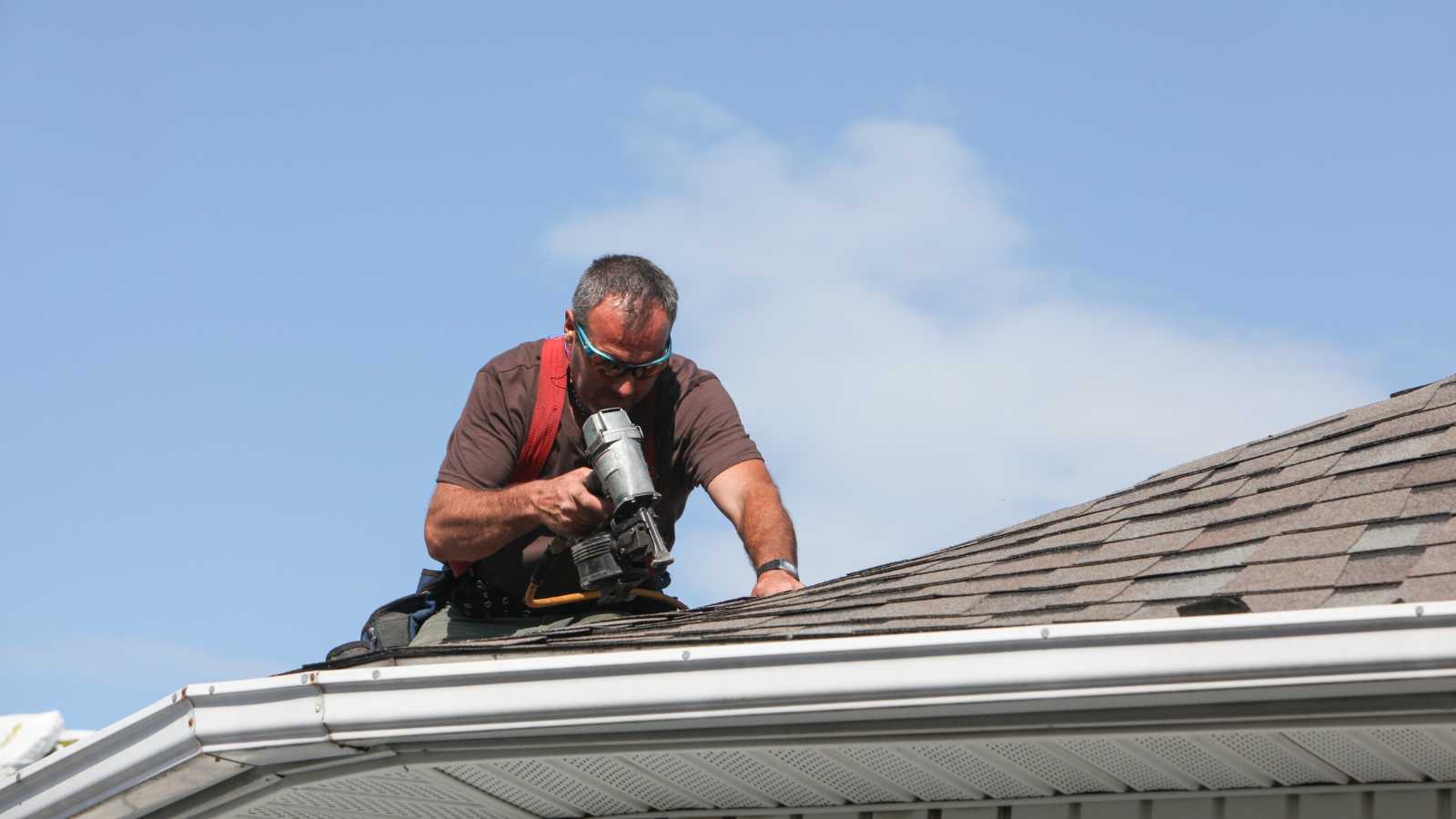
Maintaining your roof is essential for the health and longevity of your home. Proper care and regular maintenance can prevent roof blistering, a common problem that can lead to premature aging and the need for costly repairs. In this article, we dive into strategies and best practices for reducing roof blistering and extending the lifespan of your roof, utilizing insights from Big Home Projects.
Maintenance in Reducing Roof Blistering and Extending Roof Lifespan
Maintaining your roof is essential for preventing issues like roof blistering, which can significantly shorten its lifespan. Research shows that a well-maintained roof can last anywhere from 15 to 30 years, depending on the materials used. Regular maintenance activities, such as inspections and cleaning, can reduce the likelihood of blistering caused by trapped moisture, with studies indicating that proper care can decrease repair costs by up to 50%.
One effective strategy includes utilizing professional services listed on platforms like Big Home Projects. These contractors can provide comprehensive inspections and maintenance services tailored to specific roofing materials and conditions. For example, a roofing contractor might recommend specific cleaning techniques or products that help prevent moisture buildup, thus extending the roof’s lifespan and ensuring it remains in optimal condition. Engaging with experienced contractors can also lead to insights on energy efficiency, further reducing long-term costs associated with roof maintenance.
7 Essential Strategies for a Durable Roof
1. Regular Inspections
Conducting regular roof inspections is a fundamental strategy for maintaining a durable roof. It’s best to schedule these inspections at least twice a year, ideally in the spring and fall, to catch any potential issues early. During inspections, look for signs of wear such as cracked shingles, rusted flashing, or loose seams. consider using a digital camera or smartphone to document any damage; this can help track changes over time and assist contractors in diagnosing problems.
2. Proper Cleaning
Keeping your roof clean is essential for preventing debris buildup that can trap moisture and lead to blistering. Regularly remove leaves, branches, and other debris from the roof surface and gutters. A lesser-known tip is to use a leaf blower instead of a broom or pressure washer, as this can prevent damage to shingles while effectively clearing debris. Make sure to check for any algae or moss growth regularly, as these can also contribute to moisture retention.
3. Dealing with Leaks Promptly
Promptly addressing leaks can save homeowners significant repair costs and extend the lifespan of the roof. If you notice water stains on your ceiling or walls, investigate immediately; small leaks can quickly escalate into bigger problems. Use a moisture meter to identify hidden leaks that might not be visible. It’s also wise to keep a basic repair kit on hand with materials like roofing cement and patches for quick fixes before professional help arrives.
4. Ensuring Proper Ventilation
Adequate ventilation plays a major role in preventing heat and moisture buildup in the attic, which can lead to roof rot and insulation damage. Consider installing ridge vents or soffit vents to promote air circulation throughout your attic space. A lesser-known fact is that proper ventilation not only protects your roof but can also reduce energy costs by maintaining a more stable indoor temperature. Use a thermometer to monitor attic temperatures during different seasons to make sure your ventilation system is working effectively.
5. Trimming Overhanging Branches
Regularly trimming overhanging branches is vital for protecting your roof from potential damage during storms or high winds. Branches that come into contact with the roof can scratch shingles and create entry points for moisture. An actionable tip is to maintain branches at least 10 feet away from your roofline, which minimizes the risk of damage significantly. consider using a professional tree service to ensure safe and effective trimming.
6. Choosing the Right Materials
Selecting the right roofing materials is foundational for ensuring durability and longevity. When replacing or installing a roof, consider options like metal roofing or architectural shingles that offer better resistance to blistering and weathering compared to traditional asphalt shingles. A lesser-known strategy is to consult local climate data when choosing materials; certain materials perform better in specific weather conditions, contributing to longer-lasting protection for your home.
7. Investing in Quality Underlayment
Investing in high-quality underlayment is often overlooked but critical for enhancing roof durability. This layer serves as an additional barrier against water infiltration, acting as a first line of defense against leaks. Look for products with high tear resistance and moisture control properties. some underlayments come with reflective surfaces that can help reduce heat absorption in warmer climates, contributing further to energy efficiency and lifespan extension.
How Can Proper Ventilation Prevent Roof Blistering?
Proper ventilation in a roofing system is essential for regulating temperature and moisture levels, which can significantly prevent roof blistering. When heat builds up in an attic without adequate ventilation, it can increase the temperature of the roof surface, leading to the deterioration of roofing materials. Studies indicate that a well-ventilated attic can reduce temperatures by as much as 20 degrees Fahrenheit compared to an unventilated one, minimizing the risk of blister formation caused by excessive heat and moisture.
effective ventilation helps to expel moisture that accumulates from everyday activities such as cooking, showering, and even weather changes. This moisture can condense and create a humid environment in the attic, which can lead to mold growth and damage to insulation and roofing materials. According to the Environmental Protection Agency (EPA), reducing humidity levels in attics by just 10% can significantly decrease the likelihood of mold growth and moisture-related issues, thereby prolonging the roof’s life and preventing blistering.
In practice, achieving proper ventilation involves a balanced system of intake and exhaust vents. For instance, installing soffit vents at the eaves allows fresh air to enter while ridge vents at the peak of the roof enable hot air to escape. This natural airflow not only maintains lower temperatures but also makes sure that any excess moisture is effectively removed, preventing conditions that contribute to blistering and extending the overall lifespan of the roof.
Why Is Choosing High-Quality Materials Vital for Your Roof’s Longevity?
Choosing high-quality materials for your roof is essential for ensuring its longevity and performance under various weather conditions. High-quality roofing materials are specifically designed to withstand environmental stressors such as UV rays, heavy rain, snow, and high winds. For example, asphalt shingles can last 15 to 30 years, but premium options can extend that lifespan to 50 years or more, reducing the frequency and cost of roof replacements.
In addition to durability, high-quality materials contribute to better energy efficiency. Materials such as metal roofing or architecturally designed shingles reflect sunlight more effectively than standard asphalt shingles, which can lead to lower cooling costs in hot climates. According to the U.S. Department of Energy, reflective roofing materials can reduce energy consumption by 10% to 30%, providing a strong return on investment while also extending the life of the roof by minimizing thermal expansion and contraction that can lead to deterioration.
Investing in quality materials often means better warranties and less maintenance over time. Many reputable manufacturers offer extended warranties on their premium products, covering issues like blistering, cracking, or color fading. This not only provides peace of mind for homeowners but also makes sure that they are less likely to incur unexpected repair costs. For instance, a roof installed with high-quality materials may require fewer repairs over its lifetime, allowing homeowners to allocate their budgets toward other essential home improvements or savings.
How Does Avoiding Installation in Wet Conditions Benefit Your Roof?
Avoiding roof installation in wet conditions is essential for achieving a durable and long-lasting roofing system. When roofing materials, such as shingles or underlayment, are installed on a wet surface, they may not adhere properly, leading to an increased risk of moisture infiltration. According to industry experts, improperly installed roofing can reduce its lifespan by 30% or more, as moisture can cause materials to deteriorate and lead to issues like blistering and mold growth.
Wet conditions can compromise the structural integrity of roofing materials during installation. For instance, shingles can become slippery when wet, increasing the risk of accidents and improper alignment. This misalignment can create gaps that allow water to penetrate the roof system, leading to leaks and further damage. Research indicates that nearly 25% of all roof failures are attributed to poor installation practices, underscoring the importance of conducting installations in dry conditions.
Installing roofs in wet weather often results in additional complications, such as the need for rework due to defects caused by moisture. This not only adds time and costs but can also delay the project significantly. For example, if a roof installation has to be redone due to moisture-related issues, homeowners could face unexpected expenses averaging between $1,000 and $3,000 just for repairs, negating any initial savings from quick installation in unfavorable conditions.
The Critical Role of Regular Inspections and Maintenance
Regular inspections and maintenance of a roof are essential for identifying potential issues before they escalate into costly repairs or replacements. According to the National Roofing Contractors Association (NRCA), conducting biannual inspections can extend the lifespan of a roof by up to 50%. During these inspections, homeowners can catch problems like cracked shingles, rusted flashing, or clogged gutters, which might otherwise go unnoticed until they cause significant damage.
Routine maintenance helps to make sure your roof remains in optimal condition throughout its lifespan. For example, clearing debris from the roof and gutters can prevent water pooling, which is a common cause of leaks and structural damage. The Federal Emergency Management Agency (FEMA) reports that maintaining proper drainage can reduce the risk of water-related damage by as much as 70%, underscoring the importance of regular upkeep in safeguarding your investment.
Another critical aspect of regular inspections is the opportunity to assess the roof’s warranty and insurance coverage. Many warranties require routine maintenance checks to remain valid, and failure to comply can lead to denial of claims for repairs. Homeowners who engage in regular inspections and maintenance not only protect their roofs but also make sure they are covered in case of unforeseen issues, ultimately saving them thousands of dollars in potential repair costs.
How Big Home Projects Can Be a Game-Changer in Roof Maintenance
Big Home Projects serves as a valuable resource for homeowners looking to enhance their roof maintenance efforts. This website directory connects homeowners with qualified contractors across various trades, including roofing, ensuring that they can find experienced professionals who understand the specific needs of their roofs. For instance, using Big Home Projects, a homeowner can easily compare reviews and ratings of local roofing contractors, which can lead to better decision-making and ultimately more effective maintenance services.
The platform provides access to detailed business information, such as service offerings, promotions, and even warranties, which can help homeowners choose the right contractor for their specific needs. Statistics show that working with licensed and insured contractors can reduce the risk of poor workmanship by up to 50%.
Big Home Projects fosters a community atmosphere where homeowners can share experiences and seek advice from others who have undergone similar projects. This collaborative environment not only empowers homeowners with knowledge but also encourages them to stay proactive about their roof maintenance. Engaging with fellow homeowners and contractors through the platform can lead to valuable insights on best practices for maintaining roofs, ultimately saving time and money while enhancing the longevity of their roofing systems.
Is Investing in Premium Roofing Materials Worth the Cost?
Investing in premium roofing materials is often worth the initial higher cost due to the long-term benefits they provide. Premium materials, such as metal roofing or high-quality asphalt shingles, typically offer superior durability and resistance to harsh weather conditions. For instance, metal roofs can last 40 to 70 years compared to traditional asphalt shingles, which generally last 15 to 30 years. This longevity means fewer replacements over time, potentially saving homeowners thousands of dollars in material and labor costs.
In addition to lifespan, premium roofing materials often come with enhanced warranties that can cover defects and damage for extended periods. These warranties may range from 25 years to a lifetime, providing peace of mind that standard materials cannot match. A study by the National Association of Home Builders found that homes with premium roofing materials often see an increase in resale value by up to 15%, making them a worthwhile investment for homeowners considering long-term property value.
High-quality roofing materials often improve energy efficiency, leading to reduced utility bills. For example, reflective roofing materials can lower cooling costs by up to 20%, as they effectively deflect sunlight and reduce heat absorption. Homeowners who opt for these materials not only enjoy lower energy expenses but also contribute to a more sustainable environment by reducing energy consumption, making the investment in premium roofing materials both economically and environmentally beneficial.