
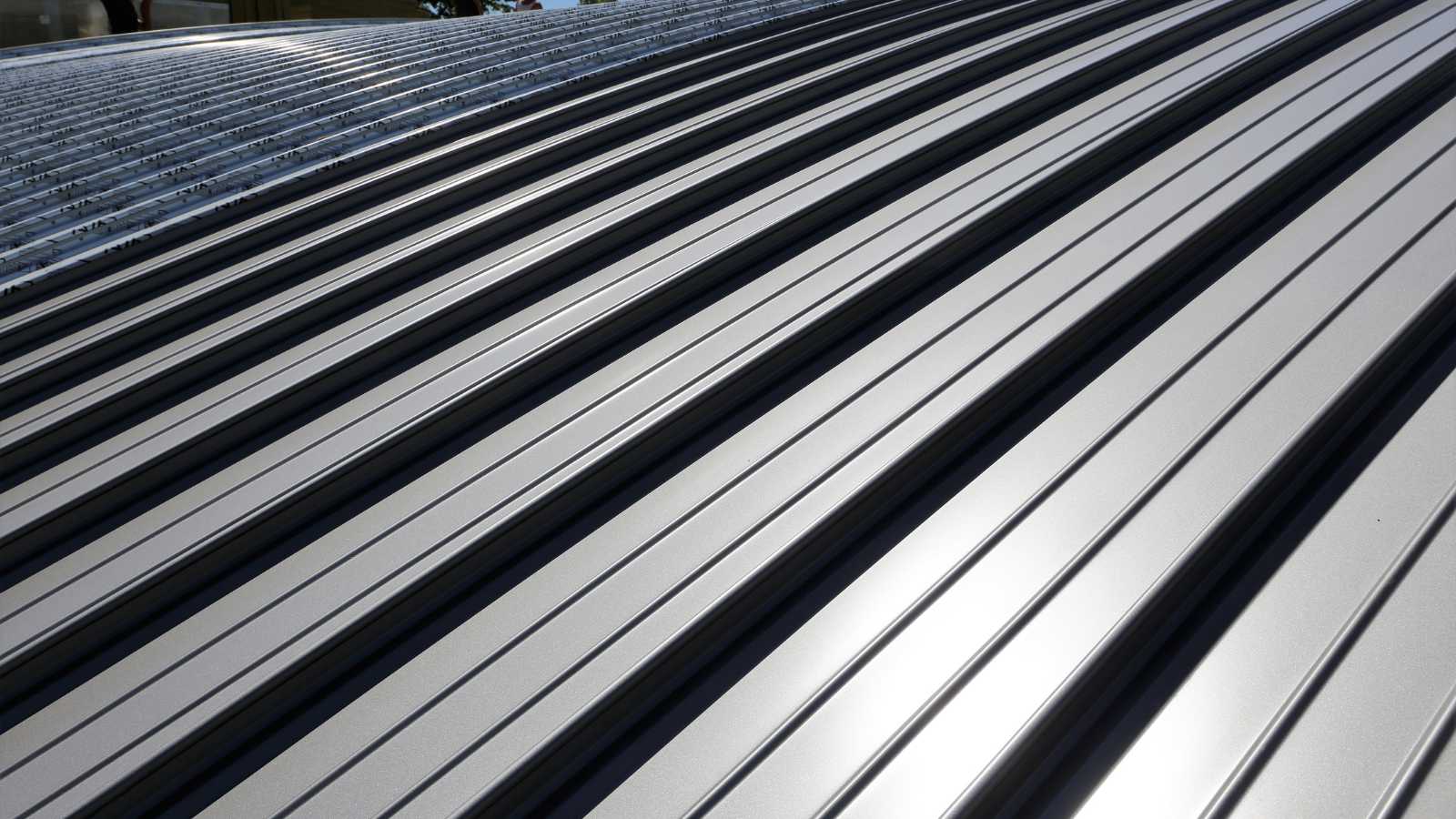
Metal roofs are renowned for their durability and longevity, offering a sustainable roofing option for both residential and commercial properties. Modernizing seaming techniques is key to further enhancing these qualities and ensuring the roof’s structural integrity over time. In this article, we explore how advancements in roofing seaming can extend the lifespan of metal roofs and provide significant benefits to homeowners and building managers.
Can modernizing roofing seaming techniques prolong the life span of metal roofs?
Modernizing roofing seaming techniques can significantly prolong the lifespan of metal roofs. Traditional roofing systems often rely on methods that can lead to vulnerabilities, such as water infiltration and corrosion. In contrast, advanced techniques like standing seam systems feature interlocking panels that reduce the number of penetration points. This design minimizes the risk of leaks, which is a common cause of roof deterioration. Studies indicate that standing seam metal roofs can last between 50 and 60 years, compared to 20 to 30 years for conventional roofing materials.
Modern seaming methods make things more energy efficient, which means that over time, your utility costs will go down. These roofs can effectively lower the heat that is absorbed from sunlight by using reflective coatings. This is especially helpful in warmer climates. Because of this, homeowners may be able to save 10 to 20 percent on their cooling costs. Modern metal roofing systems look good and can raise the value of your home or business. This makes them a good investment for both types of properties.
5 Essential Benefits of Upgrading Your Metal Roof Seams
1. Enhanced Durability
Upgrading metal roof seams to modern techniques, such as standing seam systems, significantly enhances the roof’s durability. These systems are engineered to withstand various weather conditions, including heavy rain, snow loads, and high winds. The fewer penetration points within the design, the lower the likelihood of water intrusion and subsequent rust or corrosion, which can undermine the integrity of the roof. An often-overlooked benefit is that many modern systems come with warranties that last 30 years or more, giving homeowners peace of mind about their investment.
2. Superior Protection Against Leaks
Modern seaming techniques provide superior protection against leaks compared to traditional methods. Standing-seam roofs feature raised seams that interlock tightly, creating a barrier that prevents water from seeping through. This design not only minimizes leaks but also allows for better drainage, reducing standing water on the roof’s surface. A less commonly mentioned advantage is that these roofs can be installed with hidden fasteners, further decreasing the risk of leaks as there are no exposed screws to deteriorate over time.
3. Improved Aesthetic Appeal
Upgrading your metal roof seams can dramatically improve the overall aesthetic appeal of your property. Standing seam roofs offer a sleek, contemporary look that appeals to many homeowners and can enhance curb appeal. the smooth surface allows for the application of various colors and finishes, enabling customization to match the property’s exterior. Rarely discussed is the potential for increased resale value; homes with modernized roofing can attract buyers who appreciate both aesthetics and durability, making them more competitive in the real estate market.
4. Better Adaptation to Temperature Fluctuations
Modern seaming techniques are designed to accommodate temperature fluctuations more effectively than traditional methods. Standing seam roofs allow for expansion and contraction without compromising structural integrity. This flexibility helps prevent warping and buckling, which can occur with less adaptable materials. a lesser-known benefit is that this adaptability can lead to reduced maintenance costs over time, as fewer repairs will be necessary due to thermal stress.
5. Increased Lifespan
Investing in upgraded metal roof seams can significantly extend the lifespan of your roofing system. Research shows that standing seam metal roofs can last up to 60 years with proper maintenance, far surpassing other roofing options like asphalt shingles, which typically last 15–30 years. An often-ignored factor is that regular inspections and maintenance can further enhance this lifespan; identifying minor issues before they escalate can save homeowners money and prolong the roof’s life.
How Do Modern Seaming Techniques Enhance Durability Against Environmental Stress?
Modern seaming techniques, particularly standing seam systems, enhance durability against environmental stress by providing a robust structural framework that withstands various weather conditions. These systems are designed with fewer penetration points compared to traditional roofing methods, which significantly reduces the risk of leaks and water intrusion. According to the Metal Roofing Alliance, metal roofs can withstand winds of up to 140 mph due to their interlocking panels and secure fastening methods, making them ideal for regions prone to severe weather events.
Modern seams are engineered to accommodate thermal expansion and contraction. This flexibility is essential in areas with extreme temperature fluctuations, where traditional roofing materials may warp or crack over time. For instance, standing seam roofs can expand and contract without causing stress at the seams, thus maintaining their integrity even in harsh climates. A study by the National Roofing Contractors Association indicates that roofs designed to handle temperature changes can last up to 50% longer than those that do not, showcasing the importance of modern seaming techniques in prolonging roof lifespan.
These contemporary systems often include protective coatings that enhance resistance to corrosion and UV degradation. Many metal roofs now come with factory-applied finishes that resist fading, chalking, and rusting, which can be detrimental to other roofing materials. For example, a well-maintained metal roof can have a lifespan of up to 60 years, thanks in part to these advancements in seaming technology and protective coatings, allowing property owners to enjoy long-term durability and reduced maintenance needs.
What Role Does Thermal Movement Handling Play in Extending Roof Life?
Thermal movement handling plays a major role in extending the life of roofs by allowing materials to expand and contract without causing structural damage. Metal roofs are particularly susceptible to temperature changes, which can lead to warping, buckling, or splitting if not properly accommodated. For example, studies show that a metal roof can expand as much as 1 inch for every 100 feet of length with a temperature increase of just 100°F.
Effective thermal movement handling minimizes the stress placed on the roof’s structure during extreme weather conditions. In regions with significant temperature fluctuations, roofs that are not designed to accommodate movement may experience premature failure. According to the National Roofing Contractors Association, roofs that incorporate adequate thermal expansion capabilities can last up to 50% longer than those that do not. This means that property owners investing in modern roofing systems with thermal movement considerations can enjoy a longer lifespan and reduced maintenance costs.
Modern seaming techniques, such as standing seam designs, facilitate this necessary thermal movement by allowing panels to shift independently while maintaining a secure seal. This design not only enhances durability but also contributes to overall energy efficiency by preventing thermal bridging. As a result, roofs that effectively handle thermal movement can help maintain consistent indoor temperatures, further protecting the roof structure from the potential adverse effects of temperature extremes and ensuring longevity for years to come.
How Can Big Home Projects Help You Find the Right Experts for Seam Upgrading?
Big Home Projects is a complete directory that helps people find qualified contractors who specialize in seam upgrading for metal roofs. The website makes it easy for homeowners to find professionals who know how to use modern seaming techniques by letting users search for professionals based on specific trades, like roofing. People can find a lot of useful information, like customer reviews and business highlights, that helps them choose which contractors to hire for their projects.
Big Home Projects offers an array of features that streamline the process of finding the right roofing experts. Users can view detailed profiles that include promotions, service descriptions, and photographs of completed work, giving potential clients insight into the contractor’s capabilities. the directory provides information on business verifications, such as licensing and insurance status, ensuring that homeowners are choosing reputable professionals. This transparency helps reduce the risk of hiring unqualified contractors, ultimately leading to better outcomes for seam upgrades and overall roofing projects.
Finally, the site encourages community engagement through its Facebook group, where homeowners can network with contractors and other property owners. This community aspect fosters trust and helps individuals share experiences and recommendations, making it easier for homeowners to find reliable experts for their specific needs. With access to a broad range of resources and support, Big Home Projects empowers homeowners to confidently undertake seam upgrading projects, ensuring that they receive quality workmanship that enhances the longevity and performance of their metal roofs.
What Are the Long-Term Cost Savings of Investing in Modern Roofing Seaming Techniques?
Investing in modern roofing seaming techniques can lead to substantial long-term cost savings for homeowners. For instance, while the initial installation cost of a standing seam metal roof may range from $7 to $12 per square foot, compared to traditional asphalt shingles that typically cost between $3 and $5 per square foot, the longevity and durability of metal roofs often offset these higher upfront costs. Metal roofs can last up to 50–60 years, significantly longer than asphalt shingles, which generally last around 15–30 years. This means homeowners could potentially spend three times more on replacing shingles over the lifespan of a metal roof, leading to net savings in the long run.
Modern seaming techniques improve energy efficiency, which can further reduce household expenses. Reflective coatings applied to metal roofs can lower cooling costs by up to 20%, especially in warmer climates. For example, if a homeowner typically spends $200 monthly on air conditioning, a 20% savings would equate to $480 annually. Over a 30-year lifespan of the roof, that adds up to $14,400 in savings on energy bills alone. This energy efficiency, combined with reduced maintenance costs due to the durability of modern roofing systems, makes the long-term financial benefits quite significant.
The enhanced protection against leaks and damage provided by modern seaming techniques minimizes repair costs over time. Traditional roofs may require frequent repairs due to water infiltration or material degradation, which can average around $500 to $1,000 annually for maintenance and unexpected repairs. In contrast, a well-installed standing seam roof may only need minor maintenance every few years, with costs typically under $200 annually. With these factors combined, homeowners investing in modern roofing seaming techniques can expect to see considerable savings that far outweigh the initial investment, making it a financially sound decision.
Considering Sustainability, How Does Upgrading Seams Contribute to Eco-Friendly Building Practices?
Upgrading seams in roofing systems contributes significantly to eco-friendly building practices by enhancing the longevity and durability of materials. Metal roofs, especially those incorporating modern seaming techniques, have a lifespan of 50 to 60 years, which is far longer than traditional roofing materials like asphalt shingles that typically last only 15 to 30 years. This extended lifespan reduces the frequency of roof replacements, ultimately minimizing waste sent to landfills. According to the U.S. Environmental Protection Agency (EPA), roofing materials account for approximately 10% of the total waste in landfills, so using longer-lasting materials can effectively decrease this environmental burden.
Modern roofing seams often feature energy-efficient coatings that reflect sunlight, reducing heat absorption and consequently lowering energy consumption. In regions with high temperatures, reflective metal roofs can reduce cooling costs by up to 20%, leading to lower greenhouse gas emissions from power plants due to decreased energy demand. A study by the Lawrence Berkeley National Laboratory found that if all new roofs installed in the U.S. were reflective, it could save about 24 billion kilowatt-hours of electricity annually, which is equivalent to the annual output of 6 power plants. This not only supports sustainable energy practices but also helps homeowners save on energy bills.
Many metal roofing products are made from recycled materials and are themselves recyclable at the end of their life cycle. The National Association of Home Builders reports that around 25–95% of the metal used in roofing can be sourced from recycled content, making it a more sustainable choice compared to other materials.