
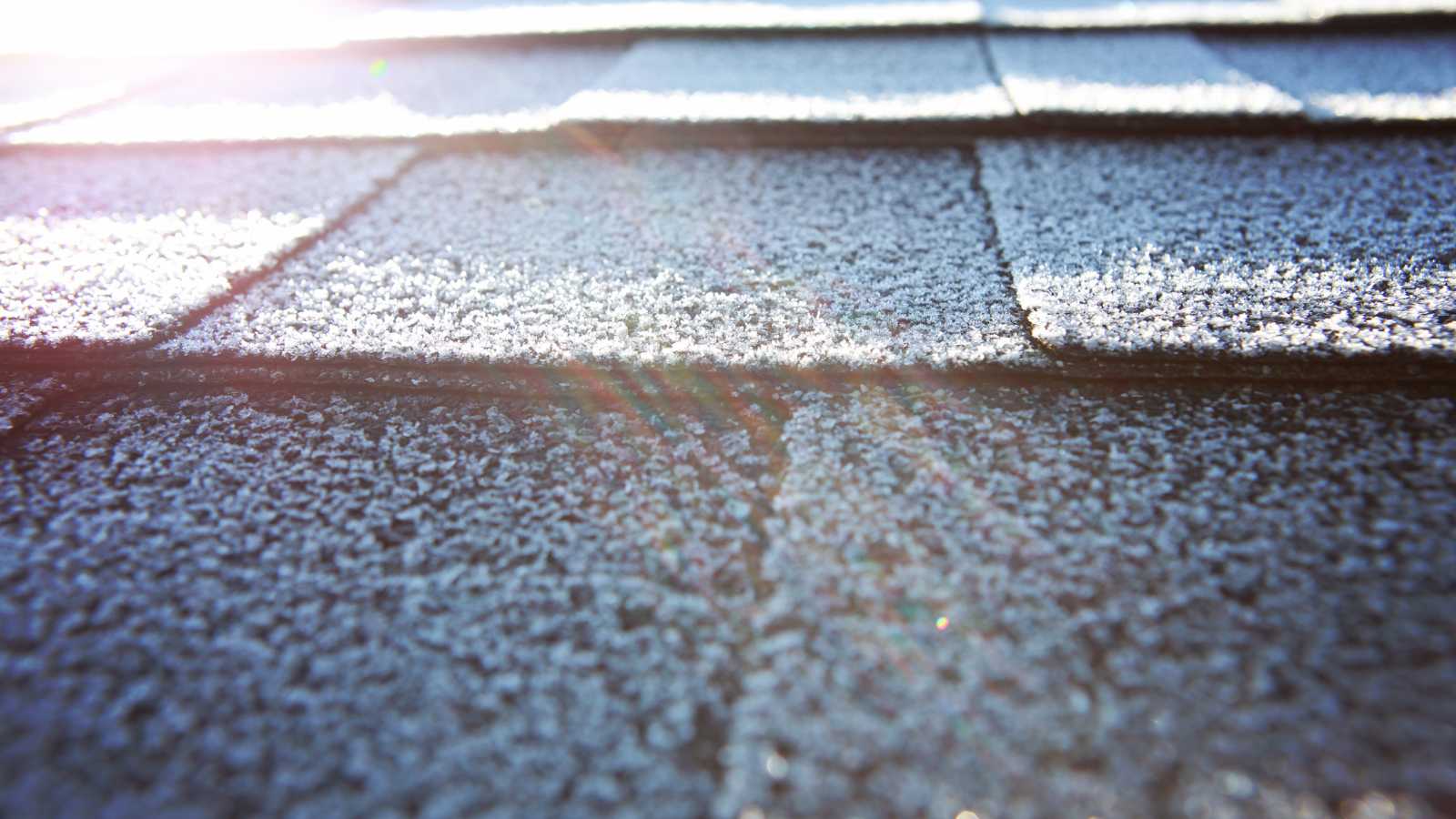
Thermal expansion refers to the process by which roofing materials expand and contract due to temperature changes, potentially affecting their lifespan and structural integrity. This physical phenomenon poses various challenges to roofing systems, from material stress and fastener issues to premature aging and structural problems. In this article, we explore the impact of thermal expansion and present practical solutions to mitigate its adverse effects.
Impact of Thermal Expansion on Roofing Material Lifespan
Thermal expansion significantly impacts the lifespan of roofing materials, as it involves the alteration of dimensions due to temperature fluctuations. For instance, metal roofing can expand up to 1 inch for every 100 feet of material when temperatures increase by just 100 °F. This expansion causes stress at the seams and fasteners, which can lead to leaks and structural damage over time. Research indicates that roofs subjected to extreme temperature changes may experience a reduction in lifespan by as much as 30% if thermal expansion is not properly managed.
The effects of thermal expansion extend beyond mere dimensional changes; they can lead to severe consequences for roofing systems. For example, when roofing materials expand and contract excessively, the risk of warping and cracking increases, particularly in materials like asphalt shingles and tiles. A study found that improperly maintained roofs can develop significant issues within the first ten years of installation, with thermal stress accounting for a large percentage of these failures.
5 Strategies for Mitigating Thermal Expansion Damage
1. Regular Roof Inspections and Maintenance
Regular inspections are crucial in identifying and addressing issues caused by thermal expansion before they escalate. Homeowners should schedule inspections at least twice a year, ideally in the spring and fall, to check for signs of wear, such as cracks, warping, or loose fasteners. During these inspections, special attention should be paid to the seams and joints where expansion stress is most likely to occur. Utilizing infrared thermography can also help detect hidden issues related to temperature differences across the roof surface that may indicate underlying problems.
2. Proper Roof Ventilation
Effective roof ventilation plays a vital role in regulating temperature and reducing heat buildup, which mitigates the effects of thermal expansion. Installing ridge vents, soffit vents, or gable vents can promote airflow and create a balanced ventilation system. Homeowners should also consider adding powered attic ventilators to enhance air movement during extreme weather conditions. ensuring that insulation does not block vents is essential; this is a common oversight that can lead to increased temperatures in the attic space.
3. Quality Roofing Materials
Investing in high-quality roofing materials specifically designed to withstand thermal stress can significantly extend the lifespan of a roof. Look for materials with low thermal expansion coefficients, such as certain types of composite shingles or tiles engineered for durability. opting for materials with protective coatings can help reduce heat absorption and mitigate temperature fluctuations. It’s beneficial to consult with local roofing professionals who understand regional climate impacts on material performance to make informed decisions.
4. Allow for Expansion Gaps
Incorporating expansion gaps into roofing systems is an effective method for accommodating the natural movement of materials due to temperature changes. These gaps should be strategically placed at joints and seams to allow for free movement without causing stress on adjacent materials. Using flexible sealants at these points can help prevent water intrusion while allowing for necessary expansion and contraction. It’s important to remember that the size of these gaps should be tailored based on the specific materials used and local climate conditions.
5. Monitoring Weather Conditions
Keeping track of local weather patterns can provide valuable insights into potential thermal expansion issues. Homeowners should consider investing in weather monitoring systems that track temperature fluctuations, humidity levels, and other relevant data. This information can help anticipate periods of extreme temperature changes and allow for proactive measures, such as increasing ventilation or performing maintenance, before significant weather events occur. joining local community forums or groups focused on home maintenance can provide insights from others in the area regarding effective strategies for managing thermal expansion challenges.
How Significant is the Role of Material Choice in Combating Thermal Expansion Effects?
Material choice plays a major role in mitigating the effects of thermal expansion on roofing systems. Different materials exhibit varying thermal expansion coefficients, which dictate how much they expand or contract with temperature changes. For instance, metals like aluminum and steel have higher thermal expansion rates, typically around 12 to 15 millionths of an inch per degree Fahrenheit, compared to materials like concrete, which expands only about 5 to 7 millionths of an inch under the same conditions. This variance means that selecting materials with lower expansion rates can significantly reduce the stress on roofing systems during temperature fluctuations.
The durability and thermal resistance of roofing materials can also influence their performance in combating thermal expansion effects. For example, asphalt shingles can experience significant wear and tear due to heat, leading to premature aging and potential failure. In contrast, materials like clay or concrete tiles not only have lower expansion rates but also provide superior thermal insulation, helping to maintain more stable roof temperatures. According to studies, roofs made from high-quality ceramic tiles can last over 50 years, while traditional asphalt shingles may only last 20 years due to the impacts of thermal cycling and environmental stressors.
Choosing the right roofing material is not solely about thermal expansion; it also encompasses factors like local climate, energy efficiency, and long-term maintenance costs. For instance, cool roofing materials that reflect sunlight instead of absorbing heat can help lower roof temperatures and reduce the overall thermal expansion impacts. Data from the U.S. Environmental Protection Agency indicates that reflective roofs can decrease cooling energy costs by up to 20%, adding an economic incentive to consider material choice in the context of thermal expansion.
What Installation Practices Minimize the Risk Posed by Thermal Expansion?
Effective installation practices are essential in minimizing the risks posed by thermal expansion in roofing systems. One critical practice is to make sure all roofing materials are installed with appropriate expansion gaps, which allow for the natural movement of materials without inducing stress. For instance, in metal roofing installations, leaving gaps of about 1/8 inch at panel ends can accommodate significant thermal expansion and contraction, preventing potential buckling or warping. Properly sealing these gaps with flexible materials makes sure that they remain watertight while allowing for movement.
Another vital installation practice is to use fasteners and attachment systems designed to accommodate thermal movement. For example, using sliding clips in metal roofs instead of fixed fasteners can allow panels to expand and contract freely. According to the Metal Building Manufacturers Association, using such systems can reduce the risk of panel detachment or damage by up to 50%, significantly enhancing the roof’s durability. Ensure that fasteners are not overtightened; excessive tension can lead to premature material fatigue and failure under thermal stress.
Proper insulation and ventilation during installation also contribute significantly to reducing thermal expansion risks. Adequate insulation prevents heat from accumulating in attics and reduces temperature fluctuations within roofing materials. The U.S. Department of Energy recommends maintaining an attic temperature within 10 degrees of the outside temperature for optimal performance. installing ridge vents and soffit vents facilitates airflow, helping to keep temperatures stable and minimizing the thermal cycling effect on roofing materials.
Can Regular Maintenance Prevent Thermal Expansion-Related Damages?
Keeping up with regular maintenance is a key part of keeping roofing systems from getting damaged by thermal expansion. Homeowners can find early signs of wear and tear, like cracks, loose fasteners, and materials that have warped, by doing regular inspections. Changes in temperature can make these problems worse. The National Roofing Contractors Association (NRCA) says that regular maintenance can increase the life of a roof by up to 25%. This makes it much less likely that the roof will need expensive repairs or replacement before it’s time because of heat stress.
Regular maintenance allows for timely adjustments to ventilation and insulation, which are crucial in managing temperature extremes in attics and roofing materials. For instance, ensuring that ventilation systems are clear of debris helps promote optimal airflow and prevent excessive heat buildup, which can lead to rapid thermal expansion. A study by the Oak Ridge National Laboratory found that roofs with well-maintained ventilation systems could reduce indoor temperatures by up to 15 degrees during peak summer months, thereby minimizing thermal cycling effects on roofing materials.
Routine maintenance should also include checking and repairing any seals around seams and joints, as these areas are particularly vulnerable to leaks caused by thermal movement. For example, failing to maintain these seals can lead to water intrusion, which not only compromises the roofing material but can also damage underlying structures.
How Does Thermal Expansion Influence The Overall Durability of A Roof?
Thermal expansion significantly influences the overall durability of a roof by affecting the structural integrity and longevity of roofing materials. As temperatures fluctuate, materials expand and contract, which can lead to stress at seams, fasteners, and joints. This constant movement contributes to issues like cracking, warping, and loosening of fasteners, ultimately resulting in leaks and structural failures. According to a study conducted by the National Roofing Foundation, roofs that experience severe temperature variations can lose up to 30% of their lifespan if thermal expansion is not adequately addressed.
The cumulative effects of thermal expansion can lead to the premature aging of roofing materials. For example, asphalt shingles exposed to high temperatures can become brittle and lose their protective granules, reducing their effectiveness over time. Research shows that roofs with high thermal cycling may need replacement as early as 15 to 20 years after installation, while well-maintained roofs with suitable materials can last 30 years or more. This highlights the importance of selecting durable materials and implementing preventive measures that can enhance a roof’s resilience against thermal expansion-related deterioration.
The design and installation practices employed can either exacerbate or mitigate the influence of thermal expansion on roof durability. For instance, roofs that incorporate proper ventilation and insulation not only help manage temperature extremes but also reduce the thermal cycling effect on materials. A study by the Building Science Corporation indicates that roofs with effective ventilation can improve energy efficiency and extend the lifespan of roofing systems by an additional 10 to 15 years. Therefore, understanding and addressing the impact of thermal expansion is essential for maximizing the overall durability of a roof.
Finding Expertise Through Big Home Projects: Navigating Thermal Expansion Challenges
Getting help through sites like Big Home Projects can be very helpful when dealing with problems caused by thermal expansion in roofing systems. The directory gives you access to a lot of different contractors who work in many different fields, such as roofing, insulation, and ventilation. Big Home Projects helps make sure roofs are installed and maintained correctly by putting people in touch with professionals who know how to deal with thermal expansion problems. This lowers the risk of damage over time. In fact, HomeAdvisor did a survey and found that 85% of homeowners who hired specialized contractors were happier with their work than those who hired generalists.
Big Home Projects provides valuable resources such as customer reviews and business highlights, allowing homeowners to make informed decisions when selecting contractors. This transparency not only fosters trust but also encourages competition among contractors to offer better services and pricing. For instance, homeowners can find professionals who offer warranties, discounts, and flexible payment options tailored to their needs. Accessing qualified experts through Big Home Projects can lead to improved roofing installations that address specific challenges related to thermal expansion, enhancing both performance and longevity.
The community aspect of Big Home Projects enables homeowners to interact with other property owners and contractors, facilitating knowledge sharing about effective strategies for dealing with thermal expansion. Participating in discussions or forums can provide insights into successful materials and installation practices that have worked for others in similar climates. According to a study from the National Association of Realtors, 70% of homeowners who engaged with community resources reported feeling more confident in their home improvement decisions.