
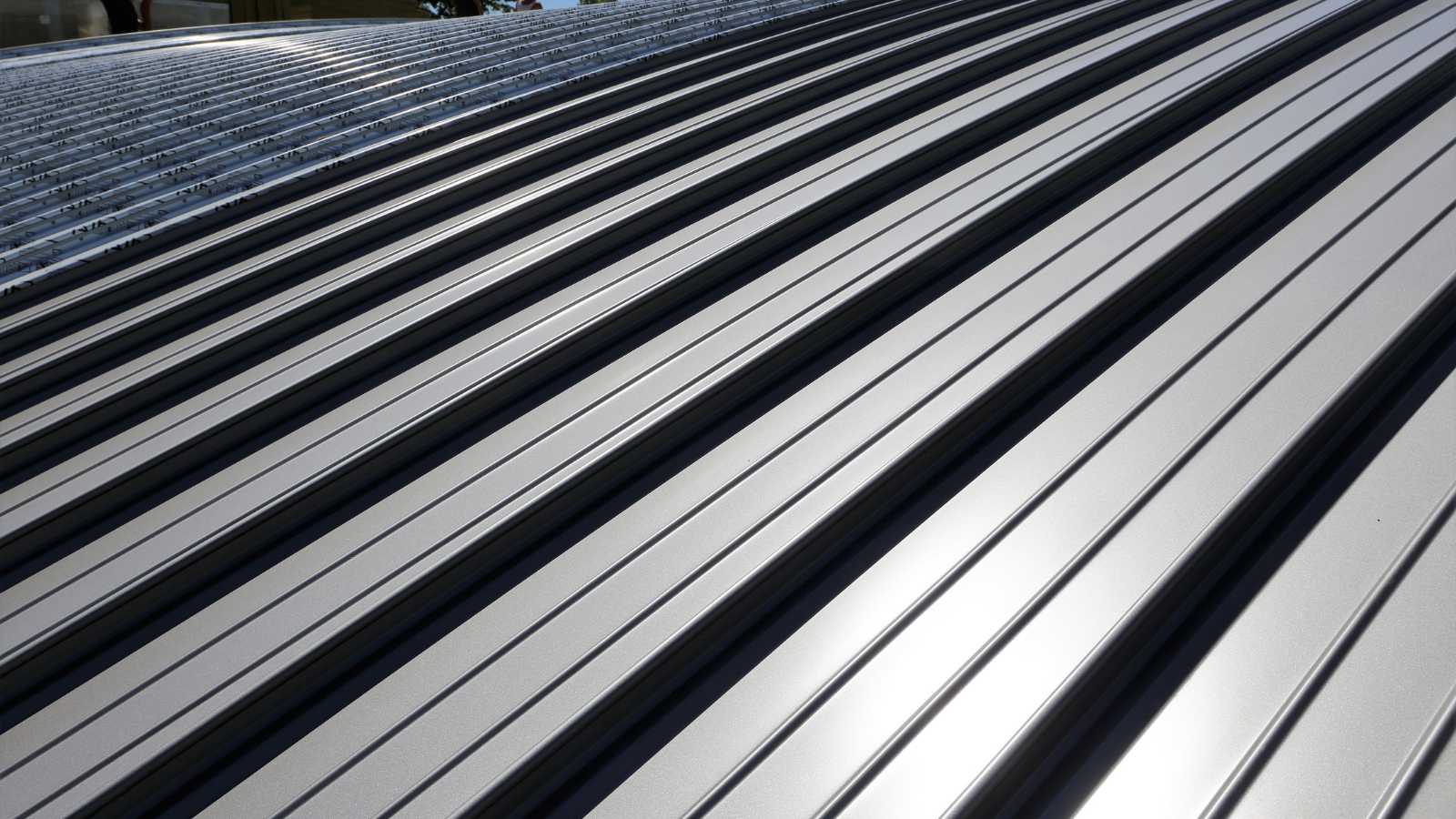
Choosing the right type of metal roofing for a property is a significant decision that can impact both the aesthetics and the longevity of the roof. Metal roofs are known for their durability and sustainability, but there are nuances between the types that could influence someone’s choice. In this article, we explore the specific differences between corrugated metal roofs and standing seam metal roofs, looking deeper into their lifespan, maintenance requirements, and cost implications.
Comparing Longevity: Corrugated Metal Roof vs Standing Seam
Longevity of Corrugated Metal Roofs
Corrugated metal roofs can last between 20 to 50 years, depending on various factors such as material quality, maintenance, and environmental conditions. For instance, roofs made from higher gauge metals or those treated with protective coatings can extend their lifespan significantly. Routine maintenance, like inspecting for rust and repairing leaks, is the key to ensuring the longevity of corrugated roofs.
However, the susceptibility of corrugated roofs to noise and corrosion can impact their overall performance over time. Homeowners in regions prone to severe weather may find that these roofs require more frequent repairs. For example, the impact of hailstorms or heavy winds can lead to denting or damage, potentially shortening their lifespan if not properly addressed.
Longevity of Standing Seam Roofs
Standing seam roofs are renowned for their impressive longevity, often lasting 50 years or more with proper care. The robust construction, utilizing thicker metal gauges, provides enhanced resistance to harsh weather conditions. the hidden fastener system reduces the risk of leaks and rust, contributing to a longer lifespan.
Homeowners who invest in standing seam roofs often enjoy peace of mind knowing that their roofs are designed to withstand extreme weather events, including high winds and heavy rainfall. For example, many standing seam roof systems come with warranties that reflect their durability; some manufacturers even offer warranties lasting up to 50 years. This durability not only enhances the roof’s lifespan but can also increase the property value, making it a worthwhile investment for homeowners.
5 Essential Factors Affecting Metal Roof Longevity
1. Material Quality
The quality of the metal used in the roofing significantly impacts its longevity. Higher-gauge metals, such as those in the 22–24 range, provide better durability compared to lower-gauge options like 29–26. When choosing a metal roof, consider options that have protective coatings, such as galvalume or galvanized finishes, which can resist rust and corrosion. look for materials that have been tested against local weather conditions so that they can withstand the specific challenges of your area.
2. Installation Method
Proper installation is essential for maximizing the lifespan of a metal roof. A poorly installed roof can lead to issues like leaks and premature wear. Always hire experienced professionals who understand the nuances of metal roofing systems, particularly when it comes to ventilation and insulation. ensuring that the roof is installed with adequate underlayment can prevent moisture buildup, which is often overlooked but essential for extending the roof’s durability.
3. Maintenance Practices
Regular maintenance can significantly extend the life of a metal roof. Homeowners should schedule annual inspections to check for signs of rust, loose fasteners, or debris accumulation. Cleaning gutters and downspouts is also important to prevent water buildup that can lead to corrosion. consider applying a protective sealant every few years to enhance resistance against the elements. Many homeowners neglect this crucial step, but it can be a game-changer in preventing deterioration.
4. Climate and Weather Conditions
The local climate plays a vital role in determining a metal roof’s longevity. Regions with extreme temperatures, heavy snowfall, or frequent storms can accelerate wear and tear. For instance, areas prone to hail may benefit from thicker-gauge metals designed to withstand impact. Homeowners should assess their specific environmental conditions and choose roofing materials that are suited for their locale. understanding how seasonal changes affect your roof can help you take proactive measures to address potential issues.
5. Roof Design and Structure
The design and structure of a metal roof can influence its longevity as well. Roofs with a steep slope allow for better water runoff, reducing the risk of water pooling that can lead to rust and corrosion. roofs designed with adequate ventilation help regulate temperature and moisture levels, mitigating damage over time. When considering a metal roof, think about incorporating features like ridge vents and appropriate overhangs to enhance both functionality and durability. Many homeowners overlook these design aspects, yet they play a significant role in maintaining the roof’s integrity over the years.
How Does Maintenance Influence the Life Expectancy of Metal Roofs?
Maintenance plays a critical role in extending the life expectancy of metal roofs by preventing minor issues from developing into major problems. Regular inspections, typically recommended at least once a year, allow homeowners to identify signs of wear, such as rust spots, loose fasteners, or damaged seams. According to the Metal Roofing Alliance, proper maintenance can increase a metal roof’s lifespan by up to 20 years, emphasizing the importance of proactive care.
Routine cleaning is essential for maintaining the integrity of a metal roof. Debris accumulation, such as leaves or branches, can trap moisture against the surface and promote corrosion. Homeowners should also make sure gutters and downspouts are clear to facilitate proper drainage. For example, neglecting to clean gutters can lead to water backup, which may contribute to rust formation and significantly shorten the roof’s lifespan if not addressed quickly.
Applying protective coatings or sealants can greatly enhance a metal roof’s durability. These coatings serve as a barrier against UV rays and moisture, which can degrade the metal over time. Some manufacturers recommend reapplying these protective layers every 5 to 10 years to maintain optimal performance.
What Are the Cost Implications Over the Long Term for Each Roof Type?
Cost Implications of Corrugated Metal Roofs
When it comes to initial installation, corrugated metal roofs are generally more affordable, with costs averaging between $3 and $6 per square foot. This lower upfront cost makes them an attractive option for budget-conscious homeowners. However, while the installation is economical, the long-term cost implications can vary based on maintenance and longevity. For instance, if a corrugated roof lasts 20 to 30 years with proper care, homeowners might end up spending additional money on repairs and replacements more frequently than anticipated.
In terms of ongoing expenses, homeowners should budget for maintenance activities that can cost around $200 to $500 annually, depending on the condition of the roof and the local climate. For example, if a homeowner in a region with heavy rainfall needs to address rust issues or replace fasteners every few years, this could add up significantly over time. Ultimately, while the lower initial costs of corrugated roofs may seem appealing, homeowners should consider the potential for higher long-term expenses due to maintenance and the need for early replacements.
Cost Implications of Standing Seam Roofs
Standing seam roofs typically have a higher upfront installation cost, ranging from $7 to $12 per square foot. However, this initial investment is often offset by their remarkable durability and longevity, as these roofs can last 50 years or more with appropriate maintenance. The long-term cost implications are generally more favorable because standing seam roofs require fewer repairs and replacements over their lifespan compared to corrugated options. Homeowners may find that this roof type offers better value in the long run, despite the higher initial expenditure.
Maintenance costs for standing seam roofs are usually lower than those for corrugated roofs due to their design and materials. Annual maintenance might range from $150 to $400, depending on specific needs. For example, a homeowner might spend less on sealant applications or minor repairs since standing seam roofs are less prone to issues like rust and leaks. In summary, while standing seam roofs require a greater initial investment, their longevity and lower maintenance costs can result in substantial savings over time, making them a worthwhile option for homeowners looking for durability and reliability.
How Can Big Home Projects Assist in Metal Roof Selection and Installation?
Big Home Projects is a great resource for homeowners who are trying to figure out how to choose and install a metal roof. The website directory puts people in touch with qualified roofers who specialize in different types of roofs, such as standing seam metal and corrugated metal roofs. Homeowners can make smart choices based on what other people in their community have experienced by reading customer reviews and business highlights. For example, seeing a contractor’s past work and learning about their reputation can make you feel better about the quality and dependability of their work.
Big Home Projects offers insights into the specific services provided by listed contractors, helping homeowners find professionals who align with their unique needs. The directory includes details such as licensing, insurance, and experience in both residential and commercial roofing projects. This information is crucial, as hiring a fully qualified contractor can significantly impact the quality of the installation. with options for free estimates and promotional discounts, homeowners can compare costs and find competitive pricing for their metal roofing projects.
The platform fosters a community atmosphere by allowing homeowners to engage with contractors through platforms like Facebook Messenger or WhatsApp. This direct communication can facilitate consultations where homeowners can ask questions about material types, installation methods, and maintenance best practices.
What Are the Unique Advantages and Disadvantages of Each Roofing Style?
Advantages and Disadvantages of Corrugated Metal Roofs
One of the primary advantages of corrugated metal roofs is their affordability, with installation costs typically ranging from $3 to $6 per square foot. This makes them an attractive option for homeowners on a budget or those looking to undertake DIY projects. corrugated roofs are lightweight and easy to install, which can reduce labor costs and time during installation. Their versatility also allows them to be used in various settings, from residential homes to agricultural buildings.
However, corrugated metal roofs come with notable disadvantages. They are generally less durable than standing seam roofs, with a lifespan of 20 to 50 years depending on maintenance and environmental conditions. The external fasteners used in their installation can lead to potential leaks over time, especially if not properly maintained. they can be more susceptible to noise during rain or hail, which might be a concern for some homeowners seeking a quieter living environment.
Advantages and Disadvantages of Standing Seam Roofs
Standing seam roofs offer several unique advantages, chief among them being their durability and longevity. With a lifespan of 50 years or more, they represent a long-term investment that can save homeowners money on repairs and replacements down the line. Their design, featuring concealed fasteners, minimizes the risk of leaks and rust, making them ideal for areas with harsh weather conditions. standing seam roofs are available in various colors and finishes, allowing homeowners to enhance their home’s aesthetic appeal.
On the downside, the initial installation costs for standing seam roofs are significantly higher, typically ranging from $7 to $12 per square foot. This can be a barrier for homeowners who are more focused on short-term expenses than long-term value. the installation requires skilled professionals due to the complexity of the materials and techniques involved, which can further increase costs. While standing seam roofs are generally low-maintenance, any repairs needed can be more challenging and expensive compared to corrugated options due to the specialized skills required.
Why Should Homeowners Consult Big Home Projects Before Determining the Roof’s Longevity?
Before deciding how long their roof will last, homeowners should check out Big Home Projects. The platform gives users access to useful resources and expert opinions that can greatly affect their choices. People can get personalized advice based on their specific roofing needs and the conditions in their area by getting in touch with qualified contractors listed on the site. For example, a contractor with experience in a certain area might be able to tell homeowners how the weather in their area can affect the durability of different roofing materials. This would help them make choices that are best for their area.
Big Home Projects features customer reviews and business highlights that can inform homeowners about the reliability and quality of various contractors. Understanding past clients’ experiences can help homeowners select professionals who not only offer competitive pricing but also deliver high-quality workmanship. This is critical because the installation quality directly impacts the roof’s lifespan; a poorly installed roof can lead to premature failure, meaning homeowners might have to replace it sooner than anticipated.
The platform allows homeowners to explore a range of roofing options and compare different materials’ pros and cons through a single resource. This comprehensive approach enables homeowners to assess factors like cost, maintenance, and expected lifespan more effectively. For example, by comparing corrugated metal roofs and standing seam roofs on one platform, homeowners can weigh their options based on long-term value rather than just initial costs. This holistic view makes sure that they make choices that align with their budget and longevity expectations, ultimately leading to a more satisfying roofing experience.
How Do Fire Ratings Influence Insurance Premiums and Home Value?
Fire ratings significantly influence homeowners’ insurance premiums, as insurers often assess the risk associated with a property based on its fire resistance. Homes equipped with roofing materials that have higher fire ratings, such as Class A materials like metal and certain asphalt shingles, may qualify for lower insurance premiums. For example, a study from the Insurance Institute for Business & Home Safety (IBHS) found that homes with Class A roofing could see premiums reduced by up to 20% compared to those with lower-rated materials. This reduction can translate into substantial savings over time, making fire-resistant roofing a financially sound choice for homeowners.
Fire ratings can also impact a home’s market value. Potential buyers often prioritize safety features, including fire-resistant materials, which can enhance a property’s appeal. A home with a high fire rating may be perceived as safer and more resilient, leading to increased demand and potentially higher selling prices. In a market where homebuyers are increasingly concerned about safety and long-term investment, properties with superior fire ratings can stand out, making them more attractive to prospective buyers.
Some local building codes and regulations may require certain fire ratings in specific areas, especially those prone to wildfires. Homeowners who invest in compliant, fire-resistant roofing may not only meet these requirements but also avoid potential fines or costly retrofits in the future. Therefore, choosing materials with higher fire ratings not only benefits insurance premiums and home value but also ensures compliance with local regulations, providing peace of mind for homeowners regarding their investment.
Leave a Reply
You must be logged in to post a comment.