
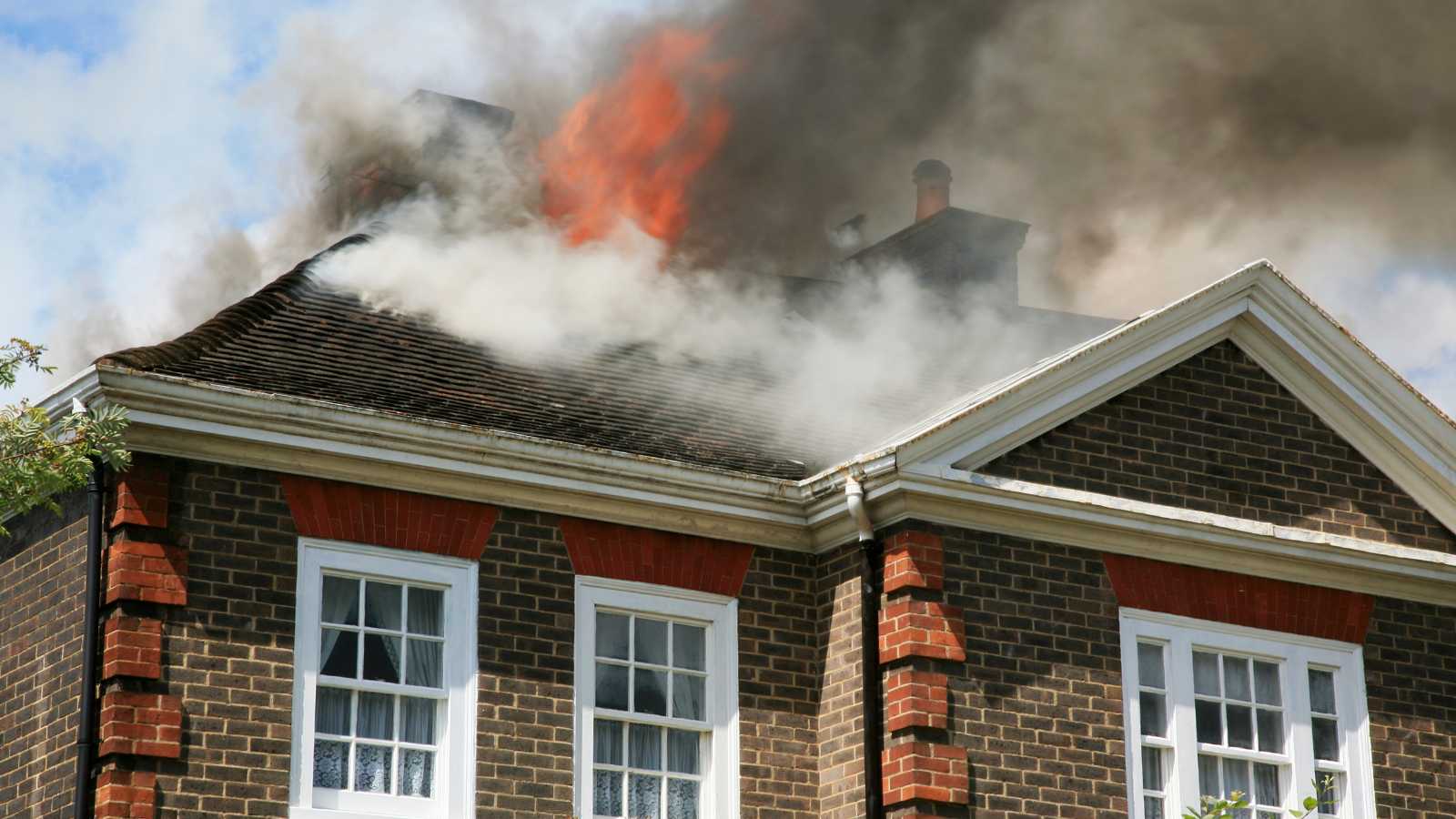
When it comes to roof durability and longevity, fire ratings are a crucial factor to consider. Roofs with higher fire ratings, like Class A, are made from materials known for their resilience and ability to withstand the elements over time. In this article, we explore the correlation between fire ratings and roof lifespans, and how factors such as material choice, maintenance, and environmental conditions play a vital role in determining the true longevity of your roof.
Do Roofs with Higher Fire Ratings Have Longer Lifespans?
Roofs with higher fire ratings generally have longer lifespans due to the superior materials used in their construction. For instance, materials that achieve a Class A fire rating, such as metal, slate, or tile, are not only designed to resist flames but are also built to withstand other environmental challenges. According to the National Roofing Contractors Association, metal roofs can last between 40 to 70 years, significantly outlasting many lower-rated materials like asphalt shingles, which typically last 15 to 30 years.
the durability of high fire-rated roofs extends beyond just fire resistance; they are often more resilient to weather elements as well. For example, a study from the Roofing Industry Committee on Weather Issues indicates that roofs made from high-quality materials are better equipped to handle wind uplift and UV exposure. In areas prone to wildfires, choosing a roof with a higher fire rating can also lead to lower insurance premiums, making it a financially sound investment over time.
5 Key Factors Influencing Roof Longevity
1. Material Quality
The quality of roofing material plays a major role in determining the lifespan of a roof. Higher-grade materials, such as metal, slate, and tile, often come with enhanced durability and resistance to environmental stressors. Lesser-quality materials, like traditional asphalt shingles, can deteriorate quickly under extreme weather conditions, leading to more frequent repairs or replacements. When selecting materials, consider not only their initial cost but also their long-term performance and maintenance requirements. investing in materials that are sourced sustainably can contribute to environmental conservation efforts.
2. Proper Installation
Even the best roofing materials will underperform if they are not installed correctly. Poor installation can lead to leaks, moisture buildup, and premature wear, drastically shortening your roof’s lifespan. To get the right installation, always hire reputable contractors with verified experience in roofing projects. Look for professionals who provide detailed estimates and warranties on their workmanship. ask about their installation techniques and any specific practices they follow to enhance the roof’s durability, such as using advanced sealing methods or incorporating ventilation systems.
3. Climate and Weather Conditions
Local climate and weather conditions significantly impact roof longevity. For instance, regions with heavy snowfall may require roofs designed to bear additional weight, while areas prone to high winds need materials that can withstand uplift forces. Homeowners should research local weather patterns and choose roofing materials that are well-suited to their area. It’s also important to consider seasonal maintenance tasks; for example, clearing debris after storms or ensuring gutters are free from blockages can prevent water damage and extend the life of your roof.
4. Ventilation and Insulation
Proper ventilation and insulation are essential for maintaining a healthy roof environment. Inadequate ventilation can lead to heat and moisture buildup in the attic, which may cause damage to both the roofing material and underlying structures. To promote effective airflow, install adequate ventilation systems such as ridge vents or soffit vents. investing in quality insulation can help regulate temperatures, reducing strain on the roof during extreme weather conditions. Regular checks on insulation quality can help prevent long-term issues that may not be immediately visible.
5. Regular Maintenance
Regular maintenance is key to prolonging the life of your roof and preventing costly repairs. This includes routine inspections for signs of damage, such as missing shingles or leaks, as well as cleaning debris that may accumulate over time. It’s advisable to schedule professional inspections at least once a year and after significant weather events. Many homeowners overlook minor issues that can escalate into major problems; for instance, small cracks can lead to water infiltration if not addressed quickly. Creating a maintenance checklist can help track necessary tasks and make sure your roof remains in optimal condition throughout its lifespan.
How Do Installation Quality and Maintenance Impact Roof Lifespan?
Installation quality is a critical factor that directly impacts the lifespan of a roof. Research indicates that improperly installed roofs can experience a reduction in lifespan by as much as 50%, leading to premature failures and costly repairs. For example, a study by the National Roofing Contractors Association found that common installation errors, such as inadequate sealing or misaligned shingles, can result in leaks and water damage. Therefore, hiring experienced and reputable contractors who adhere to industry standards is essential for ensuring that the roof is installed correctly and can withstand environmental challenges over time.
Maintenance plays an equally important role in extending a roof’s lifespan. Regular maintenance tasks, such as cleaning gutters, inspecting for damage, and addressing minor repairs quickly, can prevent more significant issues from developing. According to the National Association of Home Builders, routine maintenance can extend the life of a roof by 10 to 20 years, depending on the material. For instance, metal roofs, when properly maintained, can last up to 70 years, while neglecting maintenance can lead to a lifespan of only 30 years. establishing a maintenance schedule and documenting inspections can help homeowners stay proactive about their roof’s condition, ensuring timely interventions when needed.
What role does the environment play in roof durability?
The environment significantly influences roof durability through various factors such as climate, weather patterns, and geographical location. For instance, roofs in areas with extreme temperatures may experience thermal expansion and contraction, leading to cracks and other forms of wear over time. According to the U.S. Department of Energy, regions with high humidity can exacerbate issues like mold and rot, especially for materials that are not adequately sealed or ventilated. In contrast, roofs in milder climates often enjoy longer lifespans due to reduced stress from environmental extremes.
Local weather conditions, such as precipitation levels, wind strength, and exposure to UV rays, play a big role in determining roof durability. For example, homes located in hurricane-prone areas may require roofs designed to withstand intense winds, while regions that experience heavy snowfall need roofs engineered to support additional weight. A study by the Insurance Institute for Business & Home Safety noted that roofs subjected to frequent hailstorms can suffer significant damage, leading to an increased likelihood of premature replacement. Understanding the specific environmental challenges in your area can help homeowners select appropriate roofing materials and construction techniques tailored to improve durability and longevity.
How Can “Big Home Projects” Aid in Choosing the Right Roofing Contractor?
“Big Home Projects” serves as an invaluable resource for homeowners seeking to choose the right roofing contractor by providing a comprehensive directory of qualified professionals. This platform allows users to filter contractors based on specific needs, such as expertise in roofing materials, geographical location, and customer reviews. According to a survey by the National Association of Home Builders, 87% of homeowners consider reviews and ratings as vital factors when selecting a contractor. With access to verified customer feedback, users can make informed decisions and identify contractors with a proven track record of quality work.
“Big Home Projects” enhances transparency by offering detailed business highlights, including promotions, discounts, and the length of time contractors have been in business. This information empowers homeowners to compare different contractors effectively and find those who not only meet their budget but also provide added value through warranties and service guarantees. The ability to contact contractors directly through the platform, whether via email or messaging services like WhatsApp, streamlines the process of obtaining estimates and discussing project specifics, making it easier for homeowners to engage with potential contractors efficiently.
Are there specific roofing materials that guarantee a longer life span?
Certain roofing materials are known for their durability and extended lifespans, making them favorable choices for homeowners looking for long-term solutions. Metal roofing, for example, is highly regarded for its longevity, often lasting between 40 and 70 years with proper maintenance. According to the Metal Roofing Alliance, metal roofs can withstand severe weather conditions, including wind gusts of up to 140 miles per hour, and are resistant to fire, hail, and rot. This resilience not only contributes to their lifespan but also reduces the need for frequent repairs or replacements.
Another material noted for its durability is slate roofing, which can last over 100 years when installed correctly. Slate is a natural stone that is impervious to moisture and resistant to extreme temperatures, making it ideal for a variety of climates. A study by the National Roofing Contractors Association highlights that while the initial cost of slate roofing is higher, its longevity and low maintenance needs can result in lower overall lifetime costs compared to other materials. tile roofing, particularly clay and concrete tiles, can last 50 years or more, offering excellent resistance to wind and fire while enhancing the aesthetic appeal of a home.
Ultimately, while no roofing material can guarantee an indefinite lifespan, investing in high-quality options like metal, slate, or tile can significantly increase the likelihood of achieving long-term durability and performance. Homeowners should also consider local climate conditions and environmental factors when selecting materials so that they can choose the best fit for their specific needs.
What Innovative Roofing Solutions Are Available Today for Enhanced Durability?
Innovative roofing solutions today include advanced materials and technologies that enhance durability and overall performance. One such solution is the use of synthetic roofing materials, which are designed to mimic the look of traditional materials like wood or slate while offering superior durability. For example, synthetic slate tiles can withstand extreme weather conditions and are often lighter than natural slate, making them easier to install. According to a report from the National Roofing Contractors Association, synthetic roofing materials can last up to 50 years, providing a cost-effective alternative to traditional options.
Another exciting development is the incorporation of green roofing systems, which involve the installation of vegetation on rooftops. These living roofs offer numerous benefits, including improved insulation, reduced stormwater runoff, and increased lifespan due to the protective layer of soil and plants. A study by the University of Toronto found that green roofs can extend the lifespan of traditional roofing materials by an average of 20 years by shielding them from UV rays and thermal fluctuations. green roofs can help mitigate urban heat island effects, contributing to overall environmental sustainability.
Finally, advancements in reflective roofing technologies, such as cool roofs, have gained prominence for their ability to enhance durability and energy efficiency. Cool roofs are designed to reflect more sunlight and absorb less heat than standard roofing materials. According to the U.S. Department of Energy, these roofs can reduce roof surface temperatures by 50 to 60 degrees Fahrenheit during peak summer days, significantly reducing thermal expansion and contraction stress that can lead to material degradation. This innovation not only prolongs the lifespan of roofing systems but also promotes energy savings by lowering cooling costs for buildings.
How Do Fire Ratings Influence Insurance Premiums and Home Value?
Fire ratings have a significant impact on both insurance premiums and the overall value of a home. Insurance companies often assess the fire resistance of roofing materials when calculating premiums, with homes featuring higher fire-rated roofs typically enjoying lower rates. For instance, a study by the Insurance Information Institute revealed that homeowners could save between 5% and 15% on their premiums by opting for roofs with Class A fire ratings compared to those with lower ratings. This financial incentive encourages homeowners to invest in more durable roofing options, which not only protects their property but also results in long-term savings.
In addition to influencing insurance costs, fire ratings can affect a home’s market value. Properties equipped with high-fire-rated roofs are often viewed as more desirable, particularly in regions prone to wildfires or other fire hazards. According to research conducted by the National Association of Realtors, homes with superior fire resistance features can command prices that are 5% to 10% higher than similar homes without these features. This premium reflects buyers’ willingness to pay for enhanced safety and lower risk associated with property damage, making fire-rated roofs a valuable investment for homeowners looking to maximize their property’s appeal in the real estate market.
Local building codes and regulations may mandate specific fire ratings for roofing materials in fire-prone areas, further influencing both insurance and property values. Homeowners who comply with these codes not only protect their investments but also contribute to the overall safety of their communities, making properties with higher fire ratings more attractive to potential buyers. investing in roofing materials with strong fire ratings can lead to substantial financial benefits and increased home value over time.
Leave a Reply
You must be logged in to post a comment.