
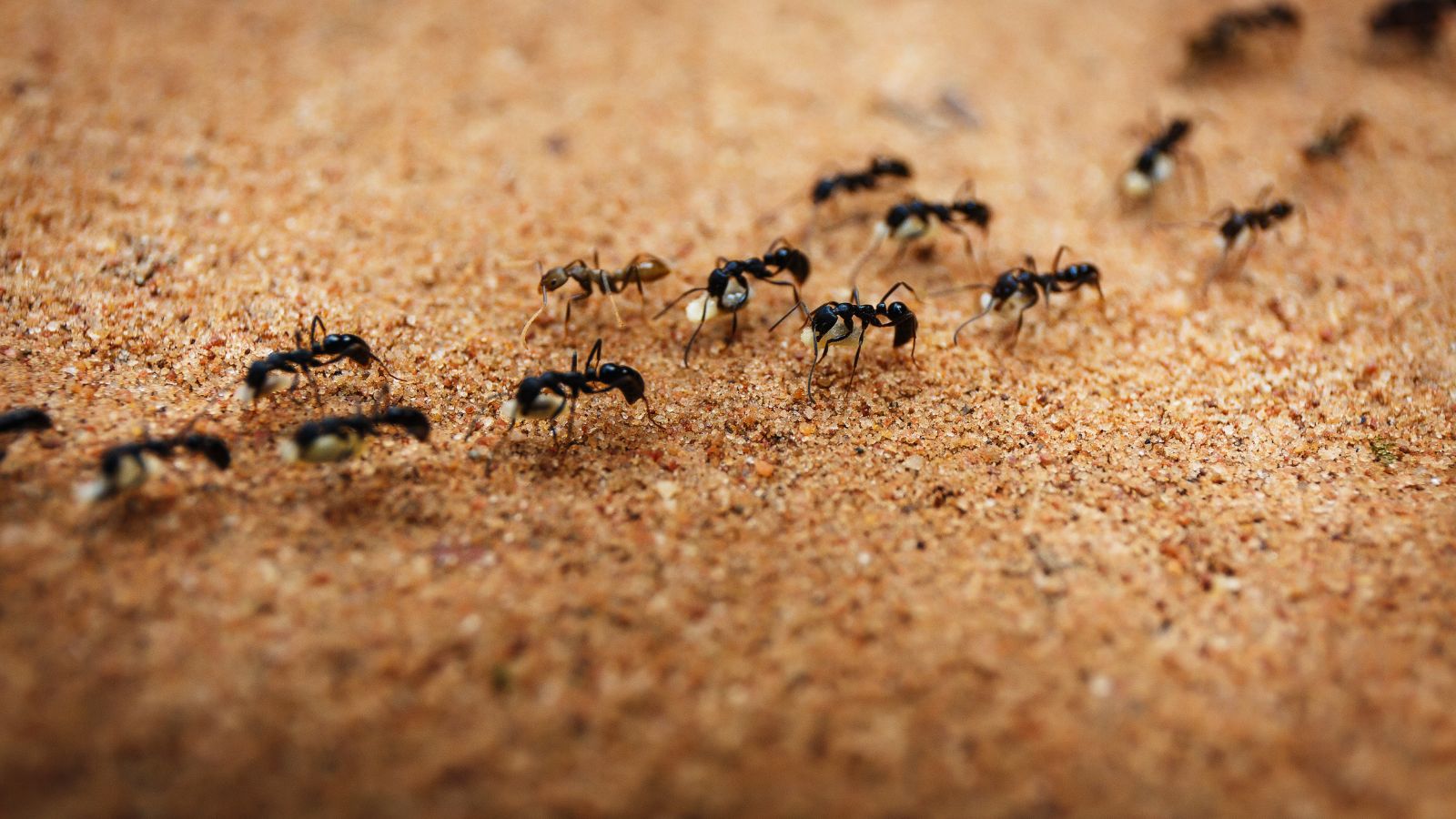
Ants are fascinating creatures with a complex life cycle that consists of seven distinct stages. Understanding these stages can provide valuable insights into their behavior and role within the ecosystem. In this article, we will explore each stage of an ant’s life cycle, from egg to adult, and highlight some key differences among various ant types, all while connecting this knowledge to home projects and nature at BigHomeProjects.com.
What are the stages of an ant’s life cycle?
Ants go through four main stages in their life cycle: egg, larva, pupa, and adult. The process begins with the egg stage, where fertilized eggs are laid by the queen. These eggs are small, white, and oval-shaped. After a few days, they hatch into larvae, which resemble small, worm-like creatures. At this point, larvae are completely dependent on worker ants for nourishment and care. They grow rapidly, undergoing several molts during this stage. This growth phase can vary in duration based on species and environmental conditions but typically lasts 2-3 weeks.
Once the larvae reach a sufficient size, they enter the pupa stage. In this phase, they undergo significant metamorphosis. The pupae may be encased in a cocoon or remain exposed, depending on the ant species. This transformation takes about 1-2 weeks before fully developed adults emerge. Adult ants assume various roles within the colony, including workers, queens, or males. I’ve observed that adult worker ants can live for several months, while queens may survive for years or even decades. Understanding these stages can enhance your appreciation of ants and their ecological contributions.
7 Stages of an Ant’s Life Cycle Explained Simply
1. Egg Stage
The ant life cycle kicks off with the egg stage, where the queen lays small, white eggs in the nest. These eggs are delicate and require a stable environment to develop. Interestingly, the number of eggs laid can vary significantly depending on the species and the time of year. A queen can lay thousands of eggs during peak seasons! The incubation period typically lasts about 3-10 days, depending on environmental factors. During this time, keep an eye out for where ants are congregating since they often hover around the eggs, ensuring they stay safe and warm.
2. Larva Stage
Once the eggs hatch, they transform into larvae that look like tiny, legless worms. This stage is fascinating because larvae are completely reliant on worker ants for food and care. They consume a diet rich in protein and carbohydrates, often from the regurgitated food that worker ants provide. What’s unique here is that larvae can actually communicate their needs through pheromones, signaling workers when they need more food. This symbiotic relationship is essential for their growth, which can happen rapidly—sometimes doubling in size within just a few days!
3. Pupa Stage
After the larval stage, ants enter the pupa stage, which is where the magic of metamorphosis occurs. Pupae can be either exposed or cocooned, depending on the species. This stage might seem like a waiting game, but a lot is happening beneath the surface. The larvae are reorganizing their bodies into the form of an adult ant, which is quite an extraordinary process! It usually lasts about 1-2 weeks, but some species can take longer if environmental conditions aren’t ideal. If you’re ever curious about this stage, gently observing a colony can reveal pupae nestled safely among their siblings.
4. Adult Stage
Finally, the adult stage arrives, and fully formed ants emerge from their pupal cases. Their exoskeletons harden over several hours, making them ready to take on their roles in the colony. Adults can be workers, queens, or males, each with specific duties that contribute to the colony’s success. Workers usually live for several months while queens can live for years; some even exceed a decade! If you’re interested in observing these roles in action, consider setting up an ant farm. Watching how adult ants work together and fulfill their tasks can be incredibly enlightening.
5. Role of Workers
Worker ants are fascinating creatures that play a pivotal role in the colony’s survival. They are responsible for foraging for food, caring for the larvae, and maintaining the nest. Interestingly, worker ants demonstrate a remarkable level of teamwork; they can communicate and coordinate their actions through pheromones and touch. This collaboration is essential for tasks such as moving heavy food items back to the nest or defending it against intruders. If you want to appreciate their efforts even more, try placing some sugar water near an anthill and watch how efficiently they gather it.
6. Role of Queens
Queens are the heart of the colony; they are primarily responsible for reproduction. A queen’s life revolves around laying eggs—some species can produce thousands daily! What many people don’t know is that queens often mate once but store sperm to fertilize eggs throughout their lives. After establishing a colony, a queen can focus solely on egg-laying while workers take care of the rest. If you’re ever lucky enough to spot a queen during your ant observations, take a moment to appreciate her role as the creator of future generations!
7. Role of Males
Male ants have a unique purpose within the colony: they exist solely to mate with queens during the nuptial flight. After mating, males typically die shortly thereafter, which may seem sad but serves a critical function in maintaining genetic diversity within ant populations. Interestingly, males do not participate in any other colony activities; their lives are strictly focused on reproduction. If you’re curious about their behavior, try observing colonies during mating season when you might see swarms of males emerging to fulfill their brief but important role in the life cycle.
Understanding Each Stage: Egg, Larva, Pupa, and Adult
The first stage of an ant’s life cycle is the egg stage, where the queen lays tiny, white eggs. These eggs are super small and can be hard to see without a magnifying glass. Once the eggs hatch, they turn into larvae, which look like little worms. Larvae can’t eat or take care of themselves; instead, worker ants feed them and keep them safe. They grow quickly and shed their skin multiple times as they get bigger. It’s fascinating how these tiny creatures rely entirely on their colony for everything they need during this stage.
After the larvae grow enough, they enter the pupa stage. During this time, they don’t eat or move much because they are busy changing into adult ants. It’s like being in a cozy sleeping bag while your body transforms! Some pupae are covered in a protective cocoon, while others aren’t. This stage lasts about 1-2 weeks, and then the adult ants finally emerge. Adult ants have different jobs in the colony, such as foraging for food or helping raise new larvae. Each stage of their life cycle plays a major role in making sure the colony stays strong and healthy.
How Long Does Each Stage Last?
In the ant life cycle, the duration of each stage varies depending on the species and environmental conditions. The egg stage typically lasts between 3 to 10 days. Once the eggs hatch, the larvae stage can last from 2 to 3 weeks. During this time, larvae grow rapidly, and how long this takes can depend on how much food is available. In a well-fed colony, larvae might grow faster compared to one with limited resources. I watched an ant colony that seemed to thrive on scraps of food, and it was amazing to see how quickly the larvae developed.
After the larvae stage, ants enter the pupa stage, which generally lasts about 1 to 2 weeks. During this phase, they undergo metamorphosis, changing from larvae to adult ants. The total time from egg to adult can range from 6 to 10 weeks, depending on factors like temperature and food supply. In warmer conditions, development can speed up significantly. It’s interesting to note that some ant species can adapt their life cycle based on environmental changes, ensuring survival in various habitats.
Key Differences Between Worker Ants, Queens, and Males
- Role in the Colony: Worker ants are the backbone of the colony. They take care of the larvae, gather food, and maintain the nest. Without workers, the colony would struggle to survive. On the other hand, queens are primarily focused on laying eggs. They can produce thousands of eggs over their lifetime, ensuring the colony’s growth. Males, however, have a much shorter lifespan and exist mainly for mating purposes during the nuptial flight.
- Lifespan: Worker ants typically live for several months, while queens can live for many years—sometimes even up to a decade! Males, in contrast, usually live just long enough to mate with a queen, often dying shortly after. This difference in lifespan reflects their roles; workers are needed for ongoing tasks, while queens must be present for long-term reproduction.
- Physical Differences: Worker ants usually have well-developed mandibles for carrying food and defending the colony. They vary in size depending on their species, but they typically lack wings. Queens are larger than workers and possess wings when they first leave the colony to mate. After mating, they shed their wings and focus on starting a new colony. Males are also winged and have large eyes to help them find queens during mating flights.
- Nutritional Needs: Workers are constantly on the move, foraging for food and feeding the larvae. They have a diverse diet that includes sugars, proteins, and fats. Queens, however, do not need to forage; they rely on stored energy from their bodies to sustain them while they lay eggs. Males, since they don’t perform colony tasks, also don’t need the same nutritional intake as workers do.
- Communication: Worker ants communicate through pheromones to coordinate tasks and signal danger. This communication is vital for the colony’s efficiency. Queens communicate primarily through pheromones to attract mates and signal their reproductive status. Males, on the other hand, use pheromones to locate queens but do not engage in the same level of communication as workers or queens since their role is more straightforward.
Discover More about Nature and Home Projects at BigHomeProjects.com
At BigHomeProjects.com, we know that nature plays a big role in many home projects. When you’re planning a garden or landscaping project, knowing about local wildlife, including ants and their life cycles, can help you create a thriving environment. If you decide to plant flowers, understanding how ants can help with pollination or how they can be beneficial in keeping pests in check might influence your design choices. We provide a directory of trusted local contractors who can assist with outdoor projects that not only beautify your space but also respect the local ecosystem.
We connect homeowners and investors with skilled contractors who can help turn your ideas into reality. If you’re looking to build a new deck or create an ant-friendly garden, our listings include experts who understand the importance of working with nature. They can help you choose plants that attract beneficial insects or implement sustainable practices that promote healthy soil and biodiversity. Our goal is to help you find the right professionals who can bring your vision to life while being mindful of the natural world around us.
Leave a Reply
You must be logged in to post a comment.