
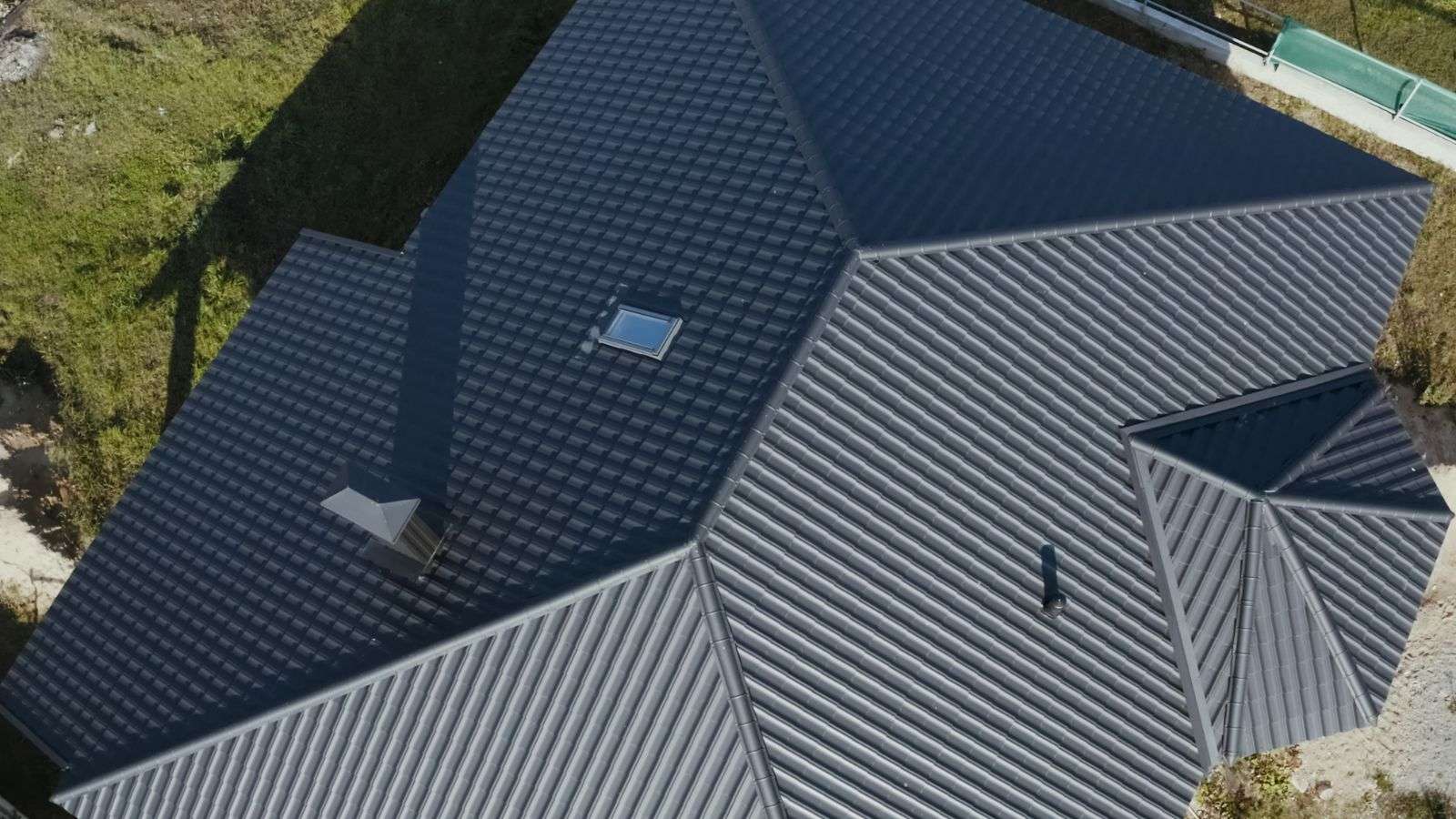
Many homeowners wonder if metal roofs are more resistant to depreciation given the possibility that they could be a lifelong investment. This article will dive headfirst into this complex topic, unraveling the many sides of the depreciation of a metal roof versus other roofing materials.
In this article, we will dissect the various factors influencing the lifespan, value, and durability of metal roofs vis-à-vis their susceptibility to depreciation, among other relevant topics.
Are metal roofs more resilient to depreciation?
Metal roofs are generally considered to be more resilient to depreciation compared to other roofing materials. This is primarily due to their durability and longevity. Metal roofs are known for their ability to withstand harsh weather conditions, such as heavy rain, snow, and high winds, without sustaining significant damage.
They are also resistant to issues like rotting, cracking, and insect infestations, which can contribute to the depreciation of other roofing materials over time. Metal roofs require minimal maintenance and have a longer lifespan compared to traditional asphalt shingle roofs. These factors combined make metal roofs a more resilient choice in terms of depreciation, as they tend to retain their value and structural integrity for a longer period of time.
5 Key reasons why metal roofs are more resilient
1. Durability
Metal roofs are highly durable and can withstand various environmental challenges. They are resistant to issues like rotting, cracking, and insect infestations, which can cause depreciation in other roofing materials. Metal roofs are designed to endure harsh weather conditions, including heavy rain, snow, and high winds, without sustaining significant damage. Their durability ensures that they maintain their structural integrity over time, reducing the risk of depreciation.
2. Longevity
One of the key reasons why metal roofs are more resilient to depreciation is their long lifespan. Metal roofs often outlast traditional asphalt shingle roofs, which can deteriorate more quickly. With proper installation and regular maintenance, metal roofs can last for several decades. This longevity means that the roof retains its value and functionality for an extended period, minimizing the need for costly repairs or replacements.
3. Low maintenance
Metal roofs require minimal maintenance compared to other roofing materials. Regular inspections to identify any potential issues, such as loose fasteners or damaged flashing, can help prevent future problems. It is also recommended to keep the roof clear of debris and maintain proper drainage to avoid unnecessary stress on the structure. With basic maintenance practices, metal roofs can maintain their resilience and performance without the need for frequent repairs or extensive upkeep.
4. Energy efficiency
Metal roofs can contribute to energy efficiency in buildings. They have excellent reflective properties that help reduce heat absorption, keeping the interior cooler during hot weather. This can lead to lower energy costs for air conditioning and improve overall energy efficiency. Some metal roofs can be designed with insulation layers that further enhance energy efficiency by reducing heat transfer. By choosing a metal roof with appropriate insulation, homeowners can create a more comfortable indoor environment while reducing energy consumption.
5. Increased home value
Investing in a metal roof can potentially increase the value of a home. Metal roofs are considered a desirable feature due to their durability, longevity, and low maintenance requirements. Homebuyers often recognize the benefits of metal roofs and may be willing to pay a premium for a property with this type of roofing material. By increasing the overall value of a home, a metal roof can help minimize depreciation and provide a long-term return on investment.
The lifespan of a metal roof: A long-term investment
The lifespan of a metal roof is a significant factor that makes it a long-term investment. Unlike traditional asphalt shingle roofs that may need replacement every 15-20 years, metal roofs have a much longer lifespan, often lasting for several decades.
With proper installation and regular maintenance, a well-maintained metal roof can endure harsh weather conditions, resist damage from UV rays, and remain structurally sound for 50 years or more. This longevity not only saves homeowners from the hassle and expense of frequent roof replacements but also contributes to the overall value of the property.
The extended lifespan of a metal roof allows homeowners to enjoy peace of mind, knowing that their investment will provide reliable protection and performance for many years to come.
Why do metal roofs have a higher resale value?
First and foremost, metal roofs are known for their durability and longevity, providing potential buyers with the assurance of a long-lasting roofing solution. This longevity reduces future maintenance and replacement costs, making the property more appealing.
Metal roofs offer energy-efficient features, such as reflective coatings or insulation, which can result in lower energy bills for homeowners. This energy efficiency is an attractive selling point for buyers who value sustainability and cost savings. Moreover, metal roofs are often considered aesthetically pleasing and can enhance the curb appeal of a property, increasing its overall value.
Finally, metal roofs are extremely resistant to damage from natural forces like fire, wind, and hail. The added protection and peace of mind that comes with a metal roof can be appealing to potential buyers, leading to a higher resale value for properties with this type of roofing material.
Inherent qualities of metal roofs that resist wear and tear
- Corrosion resistance: Metal roofs are typically made from materials like steel or aluminum, which have natural corrosion resistance. This resistance is due to the formation of a protective oxide layer on the surface of the metal. When exposed to oxygen and moisture, a thin layer of metal oxide forms, acting as a barrier between the metal and the surrounding environment. This oxide layer prevents the metal from further oxidation or rusting, making the roof highly resistant to corrosion and extending its lifespan.
- Strength and structural integrity: Metal roofs possess excellent strength and structural integrity. Metals like steel and aluminum have high tensile strength, allowing them to withstand the weight of heavy snow, resist deformation from strong winds, and endure impacts from hail or falling branches. The inherent strength of metal ensures that the roof maintains its shape and structural stability over time, minimizing wear and tear.
- Fire resistance: Metal roofs have inherent fire-resistant properties. Metals are non-combustible materials, meaning they do not readily catch fire or contribute to the spread of flames. This fire resistance is crucial in protecting homes from external fire sources, such as wildfires or neighboring building fires. Metal roofs can prevent the penetration of burning embers, reducing the risk of internal fires during wildfire events.
- Thermal expansion and contraction: Metals used in roofing materials have low coefficients of thermal expansion, which means they expand and contract minimally with temperature changes. This quality helps metal roofs withstand the thermal stresses caused by daily and seasonal temperature variations. The ability to handle thermal expansion and contraction without significant damage or warping can guarantee that metal roofs maintain their structural integrity over time.
- Resistance to UV radiation: Metal roofs exhibit excellent resistance to ultraviolet (UV) radiation from the sun. The metal materials and protective coatings used in metal roofing systems can reflect a significant amount of UV rays away from the roof’s surface. This reflection reduces heat absorption and prevents UV radiation from degrading the roofing material over time. By resisting UV radiation, metal roofs can maintain their appearance and performance for an extended period, minimizing wear and tear.
- Low moisture absorption: Metal roofs have low moisture absorption properties, meaning they do not retain water or moisture for prolonged periods. This characteristic helps prevent issues like rotting or mold growth that can lead to wear and tear in other roofing materials. The non-porous nature of metal roofs ensures that they remain resistant to moisture-related problems, maintaining their integrity and durability over time.
- Insect resistance: Metal roofs are highly resistant to insects and pests that can cause damage to other roofing materials. Unlike wood-based materials that may attract termites or other insects, metals do not provide a food source or suitable environment for pests. This natural resistance helps prevent insect infestations that can lead to wear and tear in roofs, ensuring long-term durability.
- Minimal maintenance requirements: Metal roofs require minimal maintenance compared to other roofing materials. Their inherent qualities, such as corrosion resistance and durability, contribute to reduced maintenance needs. With periodic inspections and basic maintenance practices like keeping the roof clear of debris and ensuring proper drainage, metal roofs can retain their resistance to wear and tear without extensive upkeep.
How does weather impact the durability of metal roofs?
- Rain: Metal roofs are designed to withstand heavy rain. The materials and coatings used in metal roofing systems are water-resistant, preventing water from seeping into the structure. Proper installation, including effective flashing and sealing, make sure that rainwater is efficiently directed away from the roof. This helps maintain the integrity of the metal roof and prevents water-related damage, such as leaks or corrosion.
- Snow: Metal roofs have a smooth surface that allows snow to slide off more easily compared to other roofing materials. This prevents the accumulation of heavy snow loads, which can put strain on the roof’s structure. Metal roofs have excellent thermal conductivity, allowing them to quickly shed accumulated snow due to heat transfer from the interior or sunlight. The ability to shed snow effectively reduces the risk of structural damage and ensures the durability of the roof during snowy conditions.
- High winds: Metal roofs are highly resistant to strong winds. The interlocking panels or sheets, along with secure fastening systems, provide excellent wind uplift resistance. Metal roofs can withstand gusts of wind without lifting or becoming damaged. The durability and structural integrity of metal roofs make them a reliable choice in areas prone to hurricanes, tornadoes, or other severe wind events.
- Hail: Metal roofs are known for their resistance to hail damage. The rigid nature of metal materials helps prevent dents and punctures caused by hailstones. Metal roofs are often rated for impact resistance and can withstand hail of varying sizes without sustaining significant damage. The ability to resist hail impact provides for the long-term durability of the roof, reducing the need for repairs or replacements.
- Extreme temperatures: Metal roofs can withstand extreme temperature variations without compromising their durability. They expand and contract minimally with temperature changes due to their low coefficients of thermal expansion. This quality helps prevent warping or cracking that can occur in other roofing materials under extreme heat or cold conditions. The ability to handle temperature fluctuations makes sure metal roofs maintain their structural integrity over time.
- UV radiation: Metal roofs are designed to reflect a significant portion of UV radiation from the sun. The metal materials and protective coatings used in metal roofing systems help prevent UV radiation from degrading the roofing material over time. By reducing heat absorption, metal roofs remain cooler and are less prone to thermal expansion and material degradation caused by prolonged exposure to UV radiation. This resistance to UV radiation contributes to the long-term durability of metal roofs.
The role of maintenance in metal roof depreciation
Regular maintenance helps to identify and address potential issues before they escalate, preserving the roof’s integrity and longevity. By conducting routine inspections, homeowners can identify loose fasteners, damaged flashing, or other areas that may require attention.
Prompt repairs prevent water infiltration, which can lead to corrosion or damage to underlying structures. Keeping the roof clear of debris, such as leaves or branches, helps prevent moisture buildup and potential damage. Cleaning the roof and ensuring proper drainage also contribute to its longevity.
Why don’t metal roofs become brittle in the cold?
Metal roofs do not become brittle in the cold due to the unique properties of the metal materials used in their construction. Metals like steel or aluminum have low coefficients of thermal expansion, meaning they expand and contract minimally with temperature changes.
This characteristic allows metal roofs to withstand extreme cold temperatures without becoming brittle. Unlike some other materials that may experience significant contraction or structural damage in freezing conditions, metals retain their flexibility and strength. The ability of metal roofs to adapt to temperature fluctuations prevents them from becoming brittle and maintains their durability and performance even in cold climates.
Understanding the depreciation schedule for metal roofs
| Year | Depreciation |
|---|---|
| 1 | 5% |
| 2 | 5% |
| 3 | 5% |
| 4 | 4% |
| 5 | 4% |
| 6 | 4% |
| 7 | 3% |
| 8 | 3% |
| 9 | 3% |
| 10 | 2% |
The table above represents a hypothetical depreciation schedule for a metal roof over a period of 10 years. From the table, several insights can be gathered. In the initial three years, the depreciation rate remains consistent at 5% per year. This indicates that the highest level of depreciation occurs during the early years of the metal roof’s lifespan.
However, after year 3, the depreciation rate gradually decreases. From year 4 to year 6, the depreciation rate drops to 4% per year, indicating a slower rate of depreciation. Subsequently, from year 7 to year 9, the depreciation rate further decreases to 3% per year.
Finally, in year 10, the depreciation rate reduces to 2%. This suggests that as the metal roof ages, its depreciation rate gradually slows down, implying that its value is relatively more stable and depreciates at a slower pace compared to the earlier years.
Factors influencing the claim amount for hail damage on metal roofs
- Size of hailstones: The size of hailstones is a significant factor influencing the claim amount for hail damage on metal roofs. Larger hailstones can cause more significant damage, potentially resulting in more extensive repairs or even roof replacements. Insurance companies typically consider the size of hailstones when assessing the claim amount.
- Intensity and duration of the hailstorm: The intensity and duration of the hailstorm also impact the claim amount. A more intense hailstorm with prolonged duration can cause greater damage to the metal roof. Insurance adjusters evaluate these factors to determine the extent of damage and the resulting claim amount.
- Age and condition of the roof: The age and condition of the metal roof prior to the hailstorm can affect the claim amount. Older roofs or roofs that were already in a compromised condition may have pre-existing issues, making it difficult to differentiate between hail damage and pre-existing damage. Insurance companies consider the age and condition of the roof during their assessment.
- Quality and thickness of metal roof: The quality and thickness of the metal roof can influence the claim amount. Thicker and higher-quality metal roofs tend to have better resistance against hail damage. If a metal roof is made from more durable materials, it may experience less severe damage, resulting in a lower claim amount.
- Number of impact points: The number of impact points on the metal roof is taken into account when determining the claim amount. More impact points indicate a higher likelihood of widespread damage, which can increase the claim amount. Insurance adjusters assess the number and distribution of impact points to estimate the extent of damage.
- Repair vs. replacement costs: Depending on the severity of the hail damage, insurance companies may consider whether repairs or full replacement of the metal roof are necessary. Replacement costs are typically higher than repair costs, thus influencing the final claim amount.
- Insurance policy coverage: The terms and conditions of the insurance policy play a role in determining the claim amount for hail damage on metal roofs. Coverage limits, deductibles, and any applicable endorsements or exclusions specified in the policy can affect the final claim settlement.
Comparing the depreciation rate of metal roofs and other roofing options
| Roofing Material | Depreciation Rate |
|---|---|
| Metal | 3% per year |
| Asphalt Shingle | 4% per year |
| Wood Shake | 5% per year |
| Clay Tile | 2% per year |
The table above presents a comparison of the depreciation rates for different roofing materials over a specific period. From the data, several insights can be gathered. Metal roofs demonstrate a depreciation rate of 3% per year, which is lower than that of asphalt shingle and wood shake roofs, indicating that metal roofs retain their value at a relatively slower depreciation rate.
On the other hand, clay tile roofs show the lowest depreciation rate at 2% per year, suggesting higher resilience to depreciation compared to the other materials listed. These insights highlight the potential long-term value and durability of metal roofs in comparison to other roofing options.
Making the decision: is the investment in a metal roof worth it?
If you prioritize longevity and durability, then investing in a metal roof is worth it, as metal roofs often outlast traditional roofing materials and have lower long-term maintenance costs.
If you live in an area prone to extreme weather conditions such as hail, high winds, or wildfires, then a metal roof is worth the investment, as it offers better resistance to these elements compared to other roofing options.
If energy efficiency and environmental sustainability are important to you, then a metal roof is worth the investment, as it can contribute to reduced energy costs and is often made from recyclable materials.
If you are seeking to increase the resale value of your property, then a metal roof is worth the investment, as it is considered a desirable feature that can potentially raise the overall value of your home.
If you are looking for a low-maintenance roofing option that requires minimal upkeep over its lifespan, then investing in a metal roof is worth it, as it typically has fewer maintenance requirements compared to other roofing materials.
If you prefer a roofing material that offers fire resistance and protection against insect infestations, then a metal roof is worth the investment, as it provides these inherent qualities that can contribute to the safety and longevity of your home.
If you are considering the initial cost of installation and are willing to make a long-term investment for the benefits mentioned above, then choosing a metal roof is worth it for its potential long-term value and resilience.