
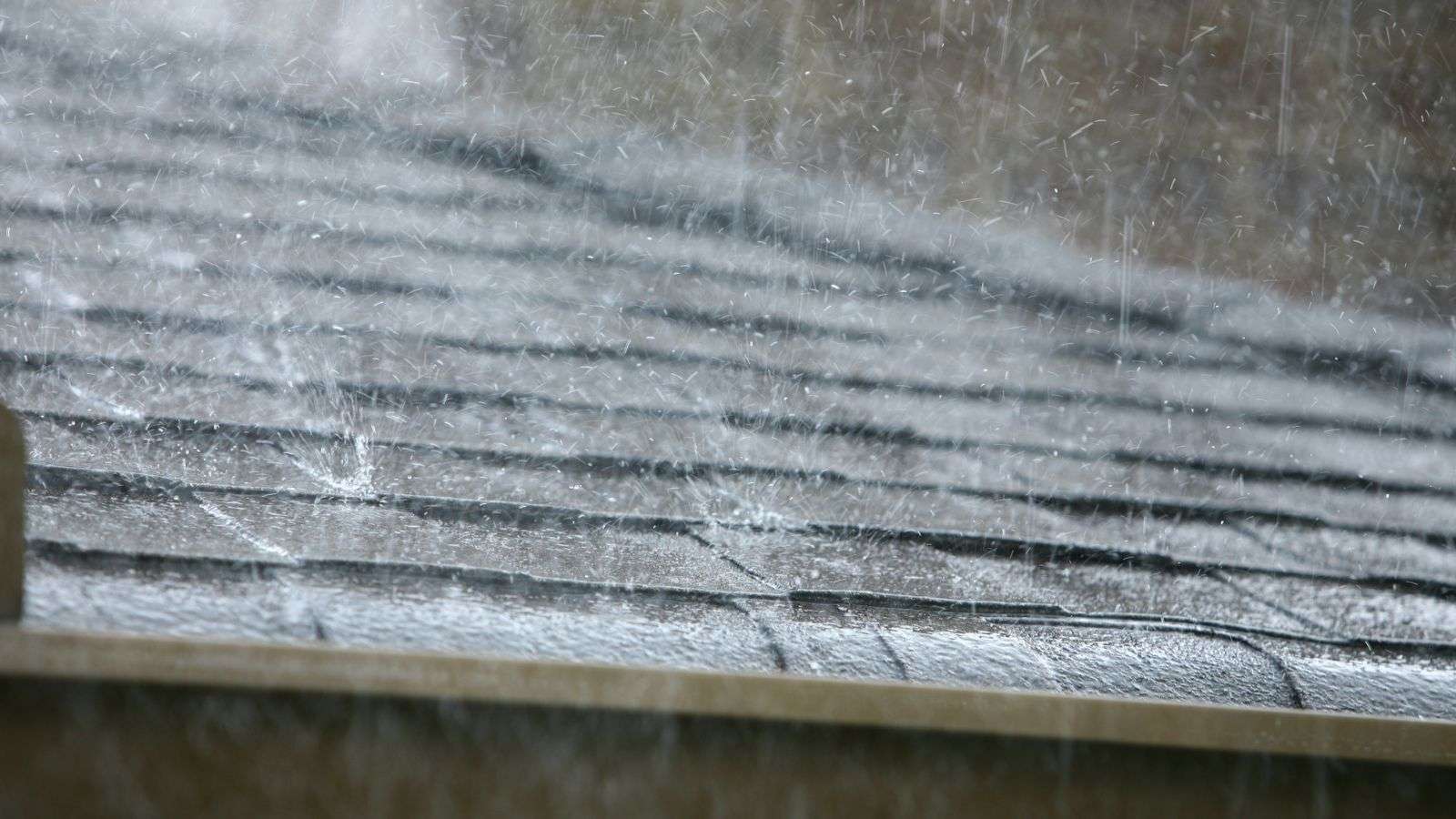
Understanding the effect of acid rain on materials used for roofing is crucial for homeowners and contractors. Acid rain poses significant threats to the longevity and strength of roofing materials such as asphalt shingles, concrete tiles, and zinc sheets.
In this article, we will uncover the 10 astonishing impacts of acid rain on roofing materials, educate on the formation of acid rain and detail its effects on various roofing materials commonly used. Protective measures to mitigate these effects and the costs associated with acid rain damage will also be discussed.
The effect of acid rain on roofing materials
Acid rain poses a significant threat to various roofing materials, gradually causing deterioration and damage over time. Let’s explore the effects of acid rain on different types of roofing materials.
- Asphalt shingles: Acid rain has the potential to degrade the asphalt present in shingles, leading to a range of problems. Stains, blisters, cracks, and curling can occur, compromising the integrity and aesthetic appeal of the roof.
- Galvanized metal roofing: Strong acid from acid rain can cause etching or pitting on galvanized metal surfaces. This corrosion can weaken the metal structure, reducing its lifespan and potentially creating vulnerabilities.
- Concrete tiles: Acid rain has the ability to erode concrete tiles unless they are properly sealed. Over time, the acid can gradually wear away the surface of the tiles, potentially leading to structural issues if left untreated.
- Slate tiles: Similarly, acid rain can erode slate tiles, which are known for their durability and longevity. The acidic nature of rainwater can weaken the slate, resulting in cracks and fractures that compromise both the appearance and functionality of the roof.
- Wooden shingles: Acid rain can cause discoloration on wooden shingles, altering their natural beauty. Prolonged exposure to acidic moisture can lead to the deterioration of the wood fibers, potentially compromising the structural integrity of the shingles.
- Zinc sheets: Acid rain can trigger corrosion on zinc sheets, which are commonly used in roofing applications. Over time, the corrosive effects of acid rain can eat away at the zinc surface, leading to weakened areas and potential leaks if not addressed promptly.
10 Astonishing impacts of acid rain on roofing materials
1. Acid rain can degrade asphalt shingles
Acid rain gradually eats away at the asphalt in shingles, leading to stains, blisters, cracks, and curling. To protect your asphalt shingles, consider using algae-resistant or impact-resistant shingles, and ensure regular inspections and maintenance to address any signs of damage promptly.
2. Strong acid can cause etching or pitting on galvanized metal roofing
Galvanized metal roofs may suffer from etching or pitting due to the corrosive effects of acid rain. Applying a protective coating specifically designed for metal surfaces can help prevent or minimize these effects, extending the lifespan of the roof.
3. Acid rain can erode concrete tiles
Unless properly sealed, acid rain can erode concrete tiles over time. To safeguard against this, make sure your concrete tiles are adequately sealed with a high-quality sealant designed for use in roofing applications. Regularly inspect the sealant and reapply it as needed to maintain its effectiveness.
4. Slate tiles are susceptible to erosion from acid rain
Acid rain can erode slate tiles, which are valued for their durability and aesthetic appeal. To protect slate roofs, consider using a slate-specific sealant or coating to create a protective barrier against acid rain. Periodic cleaning and maintenance can help prevent the buildup of contaminants that could exacerbate erosion.
5. Acid rain can cause discoloration on wooden shingles
Acid rain can cause wood shingles to discolor, which is particularly dangerous. Applying a water-repellent preservative to the shingles can help protect against moisture absorption and reduce the risk of discoloration. Regularly cleaning and treating the wood can also help maintain its natural beauty.
6. Zinc sheets are prone to corrosion from acid rain
Acid rain can cause corrosion on zinc sheets used in roofing applications. Consider applying a sacrificial coating or protective layer to the zinc surface to minimize direct exposure to acid rain. Regular inspections and prompt repairs of any damaged areas are crucial to preventing further corrosion.
7. Acid rain can lead to reduced energy efficiency
Acid rain damage can compromise the insulation properties of roofing materials, resulting in reduced energy efficiency. To mitigate this, ensure proper insulation and ventilation in your attic or roof space. Consider using reflective or energy-efficient roofing materials to minimize heat absorption.
8. Acid rain can affect the structural integrity of roofs
Prolonged exposure to acid rain can weaken roofing materials, potentially compromising the structural integrity of the entire roof. Regular inspections by a professional roofer can help identify any signs of weakening or damage caused by acid rain, allowing for timely repairs or replacements.
9. Acid rain can increase the risk of leaks
The corrosive effects of acid rain on roofing materials can create vulnerabilities that may lead to leaks. It is essential to address any signs of damage promptly and ensure proper maintenance to prevent water infiltration and subsequent water damage within the building.
10. Acid rain underscores the importance of environmental conservation
The impact of acid rain on roofing materials serves as a reminder of the broader environmental issues caused by air pollution and emissions. By advocating for cleaner air and supporting sustainable practices, we can collectively work towards reducing the occurrence and effects of acid rain, ultimately protecting our roofs and the environment.
What is acid rain and how is it formed?
Acid rain is a form of precipitation that contains high levels of acidic components, primarily sulfuric acid and nitric acid. It is formed through a complex process involving air pollution and chemical reactions in the atmosphere. When fossil fuels are burned, such as in power plants, vehicles, and industrial processes, they release sulfur dioxide (SO2) and nitrogen oxides (NOx) into the air.
These gases can then undergo chemical reactions with water, oxygen, and other compounds in the atmosphere to form sulfuric acid and nitric acid. These acids can combine with water vapor in the clouds, leading to the formation of acid rain.
The acidic rainwater falls to the Earth’s surface during precipitation events, causing potential harm to the environment, including ecosystems, vegetation, bodies of water, and various structures such as buildings and roofing materials. The sources of air pollution that contribute to acid rain include human activities like burning fossil fuels as well as natural processes like volcanic eruptions and forest fires.
The impact of acid rain on asphalt shingles
The impact of acid rain on asphalt shingles can be significant. Acid rain gradually degrades the asphalt present in shingles, leading to various issues. Over time, the acidic nature of rainwater causes stains, blisters, cracks, and curling in the shingles.
These damages not only compromise the aesthetic appeal of the roof but also weaken its integrity. Stains can create unsightly discoloration, while blisters, cracks, and curling make the shingles more susceptible to moisture penetration, which can result in leaks and further damage. To mitigate the effects of acid rain on asphalt shingles, you have to choose high-quality shingles that are resistant to algae and impact.
Regular inspections and maintenance are essential to identify and address any signs of damage promptly. Keeping the roof clean and free from debris can help prevent the buildup of contaminants that could worsen the impact of acid rain.
Acid rain and galvanized metal roofing
Acid rain poses a unique threat to galvanized metal roofing. Galvanized metal roofs are coated with a layer of zinc, which provides protection against corrosion. However, strong acid from acid rain can cause etching or pitting on the surface of the metal. This corrosion weakens the metal structure over time, potentially leading to leaks and other structural issues.
To combat the effects of acid rain on galvanized metal roofing, you have to apply a protective coating specifically designed for metal surfaces. This coating acts as a barrier, shielding the metal from direct exposure to acid rain and minimizing the risk of corrosion.
Regular inspections and maintenance are also essential to identify any areas where the protective coating may have worn off or become damaged. Prompt repairs or reapplications of the coating can help maintain the integrity and longevity of galvanized metal roofs, ensuring their continued effectiveness in protecting homes and buildings from the elements.
How does acid rain affect concrete tiles?
Acid rain can have a detrimental effect on concrete tiles. If concrete tiles are not properly sealed, acid rain can gradually erode the surface of the tiles over time. The acidic nature of the rainwater reacts with the minerals present in the concrete, leading to the breakdown of the material.
This erosion can result in various issues, including the weakening of the tiles and potential structural damage. To protect concrete tiles from the effects of acid rain, just make sure that they are adequately sealed with a high-quality sealant designed for use in roofing applications. This sealant creates a protective barrier, preventing acid rain from directly contacting the concrete and minimizing the risk of erosion.
Regular inspections and maintenance, including reapplication of the sealant as necessary, can help prolong the lifespan of concrete tiles and maintain the integrity of the roof. Keeping the roof clean and free from debris can prevent the accumulation of contaminants that could exacerbate the damaging effects of acid rain on concrete tiles.
The erosion of slate tiles due to acid rain
Acid rain can cause erosion of slate tiles, which are known for their durability and aesthetic appeal. The acidic nature of the rainwater gradually reacts with the minerals present in the slate, leading to the breakdown of the material over time. This erosion can result in cracks, fractures, and overall weakening of the tiles. In addition to compromising the appearance of the roof, the structural integrity of the slate tiles can also be compromised.
To protect slate roofs from the effects of acid rain, it is recommended to apply a slate-specific sealant or coating. This protective layer acts as a barrier, reducing direct exposure to acid rain and minimizing the risk of erosion.
Acid rain poses a threat to wooden shingles
Acid rain poses a threat to wooden shingles, potentially causing discoloration and deterioration over time. The acidic nature of rainwater can react with the wood fibers, leading to discoloration and a loss of the shingles’ natural beauty. Prolonged exposure to acidic moisture can also weaken the wood fibers, making the shingles more susceptible to damage from weather elements.
To protect wooden shingles from the effects of acid rain, it is essential to apply a water-repellent preservative. This preservative helps prevent moisture absorption and reduces the risk of discoloration. Regular cleaning and treating of the wood, using products specifically designed for wooden shingles, can help maintain their strength and appearance.
The corrosive effect of acid rain on zinc sheets
Acid rain has a corrosive effect on zinc sheets, making them susceptible to damage over time. The acidic nature of rainwater reacts with the zinc surface, causing corrosion and weakening the metal. This corrosion can gradually eat away at the zinc sheets, leading to the formation of weakened areas and potential vulnerabilities.
To protect zinc sheets from the corrosive effects of acid rain, you need to apply a sacrificial coating or protective layer specifically designed for zinc surfaces. This coating acts as a barrier, shielding the zinc from direct contact with acid rain and minimizing the risk of corrosion. Regular inspections can help identify any signs of corrosion or damage on the zinc sheets.
How does acid rain affect other metal structures in roofing?
- Iron roofs: Acid rain reacts with iron surfaces, causing oxidation and rusting. Over time, this can lead to the weakening and deterioration of iron roofs, increasing the risk of leaks and structural damage.
- Steel roofs: Similar to iron, acid rain causes oxidation and corrosion on steel surfaces. The corrosive effects can compromise the structural integrity of steel roofs, making them more susceptible to damage from weather elements.
- Copper roofs: Acid rain can tarnish copper surfaces and cause patina formation. While copper is more resistant to corrosion compared to other metals, prolonged exposure to acid rain can still affect its appearance and potentially weaken the roof if not properly maintained.
- Aluminum roofs: Acid rain has a limited impact on aluminum roofs due to their natural resistance to corrosion. However, if there are existing vulnerabilities or damaged protective coatings on the aluminum surface, acid rain can accelerate the corrosion process.
To protect metal structures in roofing from the effects of acid rain, regular inspections, maintenance, and appropriate preventive measures are essential. This can include applying protective coatings or sealants specifically designed for metal surfaces, promptly repairing any damaged areas, and ensuring proper ventilation to prevent moisture buildup.
Protective measures against the damaging effects of acid rain
- Regular inspections and maintenance: Conduct routine inspections of the roof to identify any signs of damage or deterioration caused by acid rain. Promptly address issues such as stains, cracks, or discoloration to prevent further damage and maintain the structural integrity of the roof.
- Application of protective coatings or sealants: Apply protective coatings or sealants specifically designed for the type of roofing material used. These coatings act as barriers, reducing direct exposure to acid rain and minimizing the risk of corrosion or erosion.
- Proper ventilation and moisture control: Make sure there is proper ventilation in the attic or roof space to prevent moisture buildup. Excess moisture can exacerbate the effects of acid rain on roofing materials, leading to accelerated deterioration.
- Use of impact-resistant or algae-resistant materials: Consider using impact-resistant shingles or algae-resistant roofing materials that are more resilient to the damaging effects of acid rain. These specialized materials can help prolong the lifespan of the roof and reduce maintenance requirements.
- Regular cleaning and debris removal: Keep the roof clean and free from debris to prevent the accumulation of contaminants that could worsen the impact of acid rain. Regular cleaning can help preserve the appearance and functionality of the roof.
The cost of acid rain damage: maintenance, repair, and replacement
- Maintenance: Regular maintenance to address acid rain damage may include cleaning, sealing, and applying protective coatings. This preventive maintenance helps mitigate the effects of acid rain and can prevent more extensive damage over time. The cost of maintenance varies depending on the specific needs of the roof, such as the type of materials and the extent of damage.
- Repair: Repair costs for acid rain damage can encompass fixing issues such as cracks, discoloration, or weakened areas in roofing materials. In some cases, repairs may involve replacing damaged shingles, tiles, or metal sheets. The cost of repairs depends on the scale of the damage and the extent of the necessary repairs.
- Replacement: Severe acid rain damage may necessitate the replacement of entire sections of the roof or even a full roof replacement. The cost of replacement materials, labor, and disposal of the old roofing materials can be substantial, especially for larger roofs or complex architectural designs.