
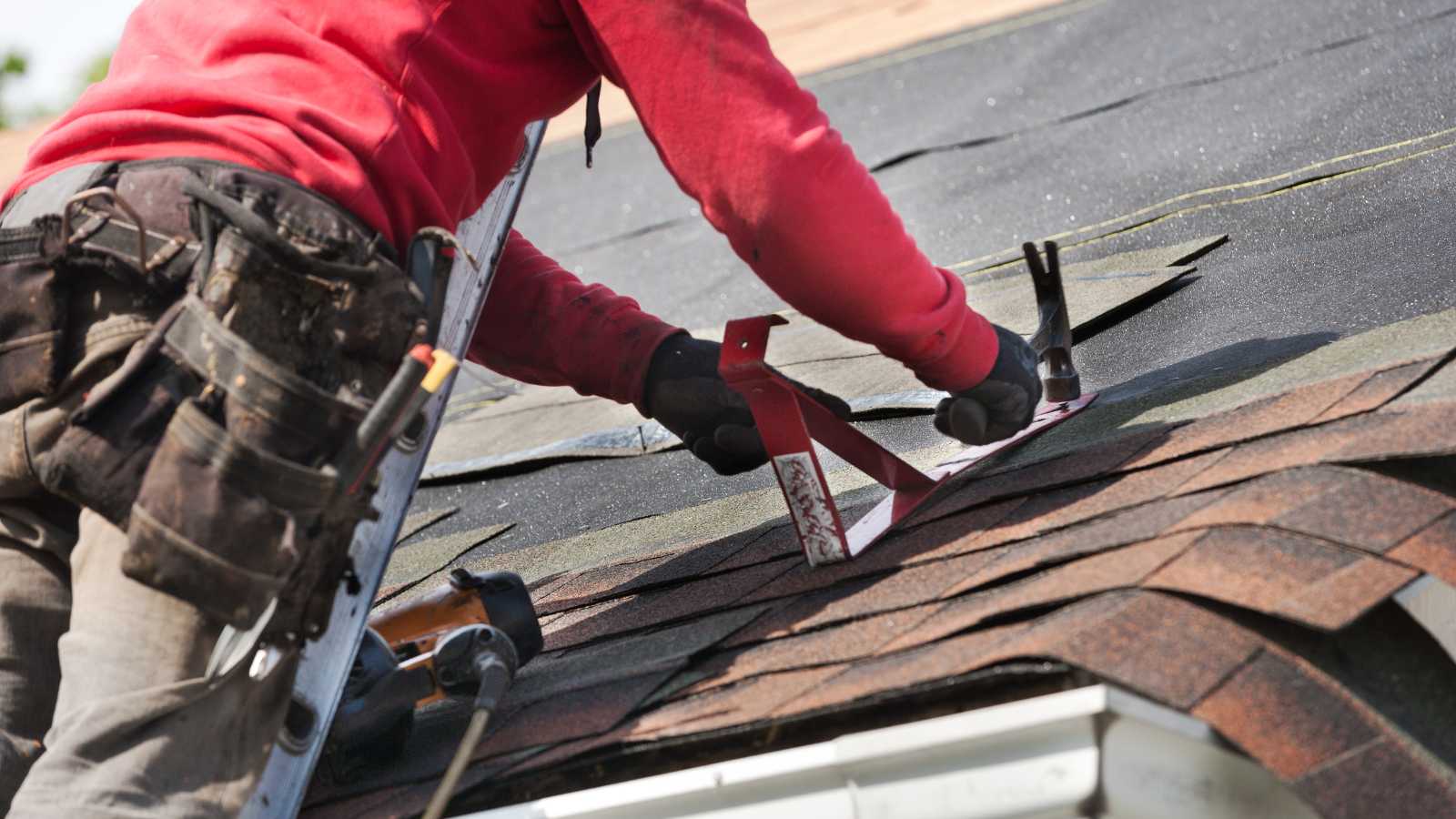
The development and adoption of optimal roofing lifecycle maintenance standards play a big role in safeguarding the integrity and extending the lifespan of roofing systems. These standards encompass a broad spectrum of practices, from the initial selection of materials to the implementation of regular maintenance schedules. In this article, we dive into how these standards are essential for ensuring the durability and performance of roofing systems, with an emphasis on the resources and guidance provided by Big Home Projects.
Development and Adoption of Optimal Roofing Lifecycle Maintenance Standards
The development and adoption of optimal roofing lifecycle maintenance standards are crucial for extending the lifespan of roofing systems. Research indicates that proactive maintenance can increase a roof’s lifespan by up to 50% compared to those that are neglected. For instance, a commercial roof that undergoes regular inspections and maintenance can last anywhere from 20 to 30 years, while the average lifespan of a poorly maintained roof may only reach 10 to 15 years. These practices not only enhance the durability of roofs but also contribute to overall energy efficiency, reducing heating and cooling costs for homeowners and businesses.
Implementing a structured maintenance plan, which includes seasonal inspections and timely repairs, can significantly mitigate common roofing issues. Data shows that 80% of roof leaks occur at the seams and penetrations, emphasizing the importance of regular checks on seals and caulking. utilizing advanced technology such as drones for inspections can identify potential problems before they escalate, saving property owners substantial repair costs. For example, thermal imaging can detect hidden moisture issues that may lead to mold growth, which is not only damaging to the structure but can also pose health risks to occupants.
5 Key Strategies to Enhance Roof Longevity
1. Season-by-Season Maintenance
Implementing a season-by-season maintenance strategy is critical for keeping your roof in optimal condition. This involves conducting thorough inspections at least four times a year, ideally at the beginning of each season. During winter, look for ice dams and icicles, as they can indicate heat loss and potential water damage. Interestingly, many homeowners overlook the importance of clearing debris from gutters and downspouts, which can lead to water pooling on the roof and cause significant damage over time. Investing in a gutter guard system can help minimize this maintenance task while protecting your roof.
2. Insulation and Ventilation
Proper attic insulation and ventilation are essential for maintaining an even roof temperature and preventing ice dam formation during colder months. Many homeowners are unaware that inadequate insulation can lead to energy loss of up to 30%, increasing heating bills. To ensure effectiveness, use high-quality insulation materials such as spray foam or rigid foam boards, which offer superior thermal resistance. consider installing ridge vents or soffit vents to promote airflow, which can help reduce moisture buildup that may compromise your roofing materials over time.
3. Seal Integrity
Regularly inspecting the integrity of seals around vents, chimneys, and skylights is vital to preventing leaks. While many contractors focus solely on the roof surface, these areas are often the first to fail due to wear and tear. A little-known fact is that using a high-quality, flexible roofing sealant can significantly extend the lifespan of these seals. applying a coat of sealant every few years can protect against extreme weather conditions. Just make sure that any repairs are made quickly to avoid further damage and costly repairs down the line.
4. Utilization of Advanced Technology
Incorporating advanced technology into your roofing maintenance protocol can enhance the quality control process significantly. Tools such as drones and thermal imaging cameras provide insights that traditional inspections may miss. For example, thermal imaging can reveal temperature variations that indicate moisture intrusion and potential leaks, which would otherwise remain hidden until more serious damage occurs. utilizing moisture meters can help you assess the moisture content in roofing materials, allowing for proactive interventions before issues escalate.
5. Continuous Training and Education
Providing ongoing training and education for your roofing team is essential to keeping up with the latest techniques and standards in the industry. Many contractors overlook this aspect, but staying informed about new materials, technologies, and methods can dramatically improve the quality of work and customer satisfaction. Consider organizing regular workshops or attending industry conferences to learn about innovations in roofing maintenance and safety practices. A well-trained crew is not only more efficient but also more capable of identifying and addressing potential issues before they become major problems.
How Can Regular Inspections Prevent Costly Repairs?
Regular inspections play a big role in preventing costly repairs by identifying potential issues before they escalate into major problems. According to the National Roofing Contractors Association, preventative maintenance can reduce overall roofing costs by up to 50%. For instance, a small leak that goes unnoticed can lead to significant water damage, mold growth, and structural issues, resulting in repair costs that can skyrocket into thousands of dollars.
In addition to catching leaks and water damage, regular inspections can also help identify wear and tear on roofing materials caused by factors such as UV exposure, severe weather, or poor installation. For example, missing shingles or damaged flashing may seem like minor issues initially, but if left unattended, they can lead to extensive damage to the underlying roof structure. According to a study by the Institute for Business & Home Safety, roofs that are well-maintained can last up to 25% longer than those that are neglected. Therefore, investing in regular inspections not only extends the lifespan of the roof but also provides peace of mind for homeowners and commercial property managers alike.
Regular inspections allow for better planning of maintenance budgets and resources. When issues are detected early, property owners can schedule repairs at their convenience rather than facing emergency situations that require immediate attention and often come with inflated costs. This proactive approach not only saves money but also contributes to maintaining the property’s value over time.
What Role Does Advanced Material Play in Roofing Sustainability?
Advanced materials play a pivotal role in enhancing the sustainability of roofing systems by improving energy efficiency, durability, and environmental impact. For instance, reflective roofing materials, often referred to as “cool roofs,” can significantly reduce heat absorption, leading to lower energy consumption for cooling. According to the U.S. Department of Energy, cool roofs can lower roof surface temperatures by up to 50°F compared to traditional roofing materials, which can translate to energy savings of 10% to 30% on cooling costs during peak summer months. This not only benefits homeowners but also helps reduce the urban heat island effect, contributing to overall environmental sustainability.
Innovative roofing materials, such as recycled shingles and green roofs, contribute to sustainable practices by minimizing waste and promoting biodiversity. Recycled asphalt shingles, for instance, utilize materials that would otherwise end up in landfills, reducing construction waste and lowering the demand for new raw materials. The National Recycling Coalition estimates that around 11 million tons of asphalt shingles are discarded each year, highlighting the importance of utilizing recycled options. green roofs—covered with vegetation—offer benefits such as improved air quality, stormwater management, and insulation, leading to reduced energy needs. Studies show that green roofs can reduce heat transfer by up to 75%, making them an appealing option for environmentally conscious builders and homeowners.
Finally, modern materials often last longer and need less upkeep, which makes them even more environmentally friendly. Synthetic roofing underlayment and advanced polymer membranes, for example, are better at resisting damage from water and UV light than traditional materials. This means that roofs last longer and need fewer replacements over time. When people use these high-performance materials, they can make their roofs last a lot longer and reduce the pollution that comes from having to replace them so often. This all-around approach to roofing sustainability is good for both individuals and the environment as a whole because it encourages responsible resource use and lowers carbon footprints.good things.
How Do Life Cycle Assessments Influence Roofing Choices?
Life Cycle Assessments (LCAs) significantly influence roofing choices by providing a comprehensive evaluation of a roofing material’s environmental impact throughout its entire lifespan, from production to disposal. This assessment allows builders and homeowners to make informed decisions based on factors such as resource consumption, emissions, and waste generation. According to a study published in the Journal of Cleaner Production, roofing materials can account for up to 30% of a building’s total environmental footprint.
LCAs help identify the most efficient roofing options that balance performance and sustainability. For instance, a comparison of traditional asphalt shingles versus metal roofing may reveal that while asphalt shingles have lower upfront costs, metal roofs offer longer lifespans and better energy efficiency. Research indicates that metal roofs can last two to three times longer than traditional asphalt shingles and reflect solar heat, reducing cooling costs by up to 25%. This long-term perspective provided by LCAs enables property owners to consider not only the initial investment but also the operational costs and environmental implications over time.
Using life cycle assessments (LCAs) in roofing choices helps the construction industry learn more about the ideas behind the circular economy. When builders know how different materials can be recycled or used again at the end of their useful lives, they can choose options that help meet sustainability goals. For instance, composite shingles can be made from recycled materials and are often recyclable when they’re no longer useful, which keeps trash out of landfills. As people learn more about sustainability, life cycle assessments (LCAs) become an important tool for choosing roofs that are good for the environment and will make money in the long run.
Navigating Roof Maintenance with Big Home Projects: A Comprehensive Guide
Navigating roof maintenance effectively is essential for homeowners and property managers, and utilizing resources like Big Home Projects can streamline this process significantly. The platform connects users with a wide range of experienced contractors specializing in roofing, providing access to customer reviews and business highlights that help in making informed decisions. According to a survey by the Better Business Bureau, nearly 80% of consumers trust online reviews as much as personal recommendations, making it vital to leverage platforms that showcase contractor performance.
Incorporating a strategic maintenance plan is essential for extending the lifespan of roofs, and Big Home Projects encourages users to schedule regular inspections and maintenance services. Studies indicate that proactive roof maintenance can extend a roof’s lifespan by up to 50%, reducing the likelihood of costly repairs due to neglect. With features such as easy access to contractors who provide seasonal check-ups, maintenance reminders, and emergency services, users can help with their roofs remain in optimal condition throughout the year. the directory’s user-friendly interface allows homeowners to compare different contractors based on their specific requirements, including availability for emergency calls and the ability to handle small jobs.
Big Home Projects also facilitates communication between homeowners and contractors, enabling quick resolutions to any roofing issues that may arise. The platform provides options for direct contact through email or messaging apps like Facebook Messenger and WhatsApp, allowing for efficient dialogue regarding project scopes, estimates, and scheduling. This direct line of communication can lead to better transparency and stronger relationships between homeowners and service providers.
The Impact of Building Codes on Roofing Standards and Practices
Building codes play a big role in shaping roofing standards and practices, ensuring that structures are safe, energy-efficient, and resilient against environmental factors. These codes are established by local, state, and national authorities and often vary based on geographical location, climate conditions, and exposure to natural disasters. For example, the International Building Code (IBC) provides guidelines that require roofs to withstand specific wind loads, which is especially vital in hurricane-prone areas. According to the National Association of Home Builders, adherence to building codes can reduce the risk of structural failure during severe weather events by up to 80%, illustrating their significance in protecting lives and property.
Building codes also promote the use of sustainable materials and practices in roofing. Many jurisdictions are beginning to incorporate energy efficiency requirements into their codes, encouraging the adoption of reflective roofing materials and green roof systems that contribute to overall energy conservation. A study by the U.S. Department of Energy found that implementing energy-efficient building codes can lead to energy savings of 20% to 50% in residential buildings.
In addition to safety and sustainability, building codes influence construction practices by establishing quality control measures that contractors must follow. These regulations often require regular inspections during the roofing installation process to guarantee compliance with safety standards and material specifications. This oversight helps prevent subpar workmanship, which can lead to costly repairs down the line. For instance, a report from the National Roofing Contractors Association highlights that roofs installed according to code are less likely to experience issues such as leaks or structural failure, further emphasizing the importance of adhering to building codes in maintaining high-quality roofing standards. building codes serve as a foundational framework that promotes safety, sustainability, and quality in roofing practices across the industry.