
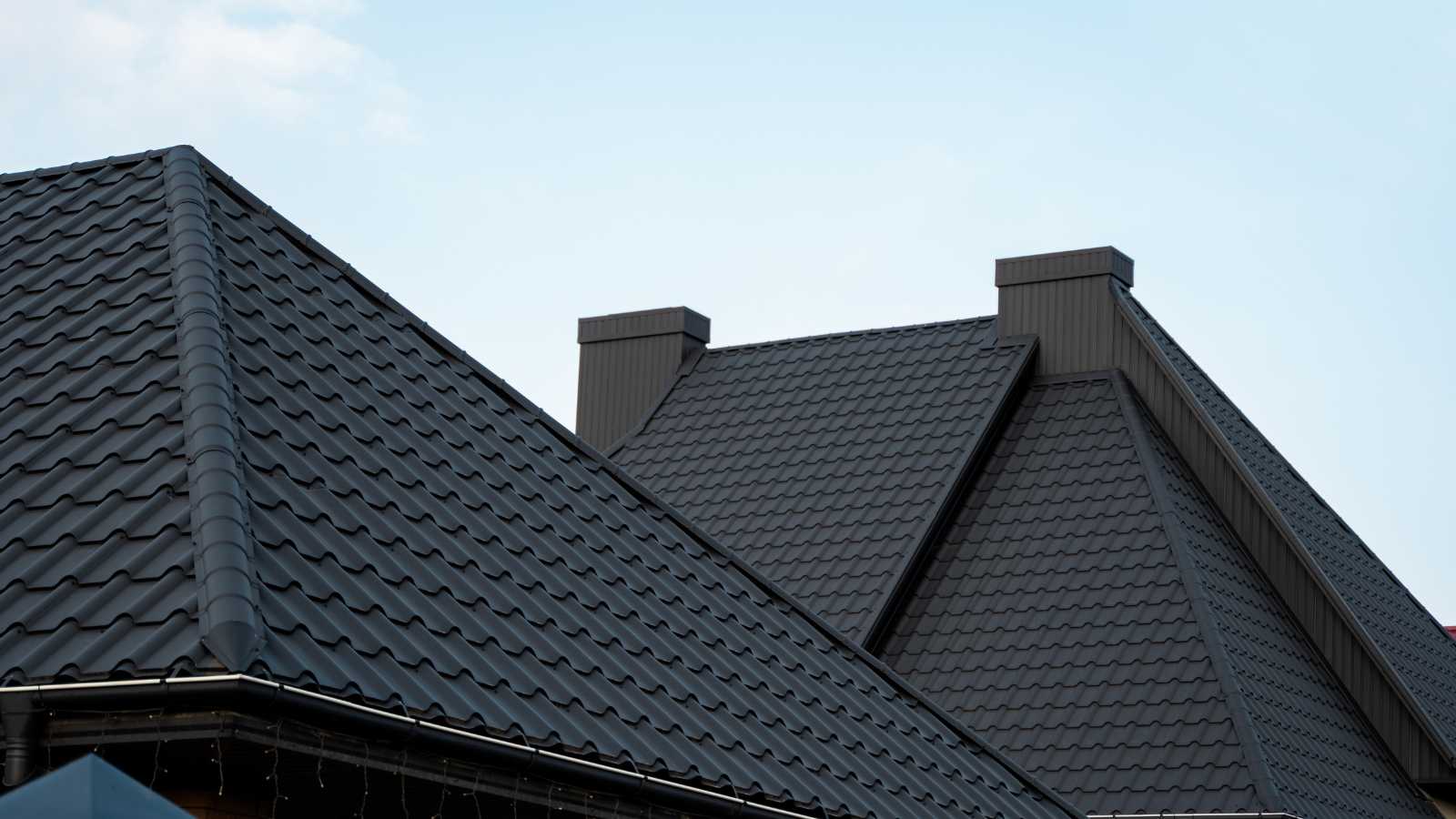
Condensation is a significant factor that can affect the longevity and integrity of metal roofing systems. The interaction between warm, moist air and the cooler surface of the metal roof can lead to various problems, including corrosion, insulation damage, and the growth of mold and mildew. In this article, we explore strategies and best practices to mitigate the impact of condensation, ensuring your metal roof remains durable and effective for years to come.
Understanding the Impact of Condensation on Metal Roof Lifespan
Condensation plays a major role in determining the lifespan of metal roofs, primarily due to its effects on structural integrity and material degradation. When warm, moist air comes into contact with the cooler surface of a metal roof, condensation forms, leading to water accumulation. According to studies, approximately 60% of metal roof failures can be attributed to moisture-related issues, emphasizing the need for proper moisture management to prolong roof lifespan.
One significant consequence of condensation is corrosion, which can weaken metal roofing materials over time. Research indicates that even a small amount of corrosion can reduce the lifespan of a metal roof by 30% or more, depending on environmental conditions and the type of metal used. persistent moisture can promote mold and mildew growth, adversely affecting indoor air quality. For instance, studies have shown that homes with mold issues can see a reduction in property value by up to 20%, highlighting the broader impacts of condensation beyond just the roof itself.
To combat these issues, homeowners should consider implementing effective strategies such as proper ventilation, insulation, and the use of vapor barriers. For example, ensuring adequate attic ventilation can reduce humidity levels and temperature differences that lead to condensation formation. A well-ventilated attic can lower indoor humidity by as much as 50%, significantly mitigating moisture-related problems.
5 Essential Strategies to Combat Moisture
1. Proper Ventilation
Proper ventilation is one of the most effective strategies to combat moisture in metal roofs. Ensuring that your attic or the space beneath the roof is adequately ventilated helps regulate temperature and humidity levels, thereby reducing the chances of condensation forming. An often-overlooked aspect of ventilation is the use of ridge vents combined with soffit vents, which creates a continuous flow of air that can significantly enhance airflow. Homeowners should consider installing powered attic ventilators in areas with extreme weather conditions to further improve ventilation efficiency.
2. Use of Vapor Barriers
Implementing vapor barriers can be a game-changer in moisture control for metal roofs. These barriers act as a protective layer, preventing warm, moist air from entering the cooler roof space, where condensation can occur. When installing a vapor barrier, ensure it is placed on the warm side of the insulation to maximize effectiveness. A detail that is rarely mentioned is the importance of sealing all seams and penetrations carefully; even small gaps can allow moisture to seep through, undermining the benefits of the vapor barrier.
3. Insulation
High-quality insulation not only helps maintain comfortable indoor temperatures but also plays a vital role in moisture management. Using insulation materials that are resistant to moisture, such as closed-cell spray foam, can greatly reduce temperature differences that lead to condensation. consider adding an extra layer of insulation, particularly in areas where heat loss is prevalent, such as around ducts or in ceiling joists. Many homeowners neglect the importance of inspecting insulation for signs of wear or moisture damage, which can significantly reduce its effectiveness over time.
4. Regular Inspections
Regular inspections are key to identifying potential issues before they escalate into major problems. Homeowners should schedule inspections at least twice a year and after significant weather events to check for signs of damage, wear, or moisture accumulation. During these inspections, pay attention to areas around flashing, seams, and joints where water may penetrate. An often underappreciated tip is to use a moisture meter during inspections; this tool can provide an accurate reading of moisture levels in roofing materials, helping you catch issues early.
5. Effective Drainage Systems
Installing effective drainage systems is essential for reducing moisture exposure to metal roofs. Gutters and downspouts should be properly sized and maintained so that they effectively direct water away from the structure. An important consideration is to make sure downspouts extend at least 6 feet away from the foundation to prevent water pooling near the building. consider incorporating rain barrels or other water collection systems to manage runoff sustainably; this not only protects your roof but can also provide useful water for irrigation or other household needs.
When is the Right Time for Roof Inspections to Prevent Condensation Damage?
The right time for roof inspections to prevent condensation damage is crucially tied to seasonal changes, particularly before and after winter. During the fall, inspecting the roof can help identify potential issues such as damaged shingles, debris buildup, or inadequate ventilation systems that may have gone unnoticed during the warmer months. A study by the National Roofing Contractors Association suggests that addressing these concerns before winter can reduce the risk of moisture-related problems by up to 40%, as snow and ice can exacerbate existing vulnerabilities and promote condensation.
Spring is another optimal time for roof inspections, as this season often brings thawing and rain, which can lead to increased moisture levels. Inspecting the roof after winter allows homeowners to assess any damage caused by ice dams or snow accumulation, both of which can hinder proper drainage and ventilation. According to the Insurance Institute for Business & Home Safety, roofs that are regularly inspected and maintained can last 50% longer than those that are neglected. This statistic emphasizes the importance of timely inspections in safeguarding the roof against condensation damage.
Homeowners should consider conducting inspections after severe weather events, such as heavy rains or storms. These events can lead to unexpected moisture intrusion and exacerbate condensation issues if left unaddressed. For example, a well-timed inspection following a storm can catch any compromised roofing materials or drainage systems, ensuring that moisture does not become trapped in the roofing structure. Establishing a routine inspection schedule not only protects the roof but also promotes overall home maintenance, contributing to a safer and more durable living environment.
How Can Better Insulation Solutions Counteract Moisture Accumulation?
Better insulation solutions play a vital role in counteracting moisture accumulation by regulating temperature fluctuations within the home. Effective insulation reduces the temperature differential between the warm indoor air and the cooler surfaces of the metal roof, thereby limiting the potential for condensation to form. According to the U.S. Department of Energy, homes with adequate insulation can prevent up to 30% of heat loss during winter months, which directly impacts moisture levels and reduces the likelihood of condensation-related issues.
One innovative insulation option is closed-cell spray foam, which not only provides superior thermal resistance but also acts as a moisture barrier. Unlike traditional insulation materials, closed-cell foam expands and seals gaps, creating a tight seal that prevents warm air from escaping and moisture from entering. A study by the Oak Ridge National Laboratory found that homes using closed-cell spray foam achieved up to 50% better energy efficiency compared to those using conventional fiberglass insulation, leading to significantly lower humidity levels and reduced condensation risks.
Adding insulation methods that focus on sealing off air can make controlling moisture a lot easier. Uncontrolled airflow is caused by air leaks around ducts, electrical outlets, and windows. This lets warm, damp air touch cooler surfaces. Homeowners can make their environment more stable by using caulking, weatherstripping, and good insulation. This will reduce temperature changes and moisture buildup. Research has shown that properly air-sealed homes can cut energy use by up to 20%. This shows how important it is to use effective insulation solutions to keep moisture from building up.
Dealing with the Role of Ventilation in Managing Condensation: Insights from Big Home Projects
Ventilation plays a major role in managing condensation within homes, especially when it comes to metal roofs. Proper ventilation helps to balance indoor humidity levels and temperature, preventing warm, moist air from accumulating and leading to condensation issues. According to the American Society of Home Inspectors, inadequate ventilation can increase moisture levels by up to 50%, significantly heightening the risk of mold growth and structural damage. Implementing effective ventilation strategies can mitigate these risks and enhance overall home comfort.
One effective approach to ventilation is the installation of a balanced system that includes both intake and exhaust vents. This system allows for a continuous flow of air, enabling moisture-laden air to escape while drawing in drier air from outside. For instance, utilizing ridge vents along with soffit vents creates an efficient airflow pattern that can reduce attic temperatures by as much as 15 degrees Fahrenheit during the summer months, thereby minimizing condensation risks. powered ventilators can be installed in areas where natural airflow may be insufficient, ensuring that moisture is continually expelled from the space.
Insights from Big home projects emphasize the importance of regular maintenance of ventilation systems to increase their effectiveness. Homeowners should routinely check for blockages in vents caused by debris, insulation, or animal nests, as these can significantly impair airflow. consulting with experienced contractors listed on platforms like Big Home Projects can provide valuable guidance on selecting the right ventilation solutions tailored to specific home designs and climates.
Can Metal Roof Coatings Extend the Life of Your Roof Against Condensation?
Metal roof coatings can significantly extend the life of a roof by providing an additional layer of protection against condensation and its associated issues. These coatings are designed to reflect solar energy, reducing heat absorption and maintaining cooler roof temperatures. A study from the Cool Roof Rating Council indicates that reflective coatings can lower roof surface temperatures by as much as 30 degrees Fahrenheit during peak summer months, which helps minimize the temperature differential that often leads to condensation formation.
In addition to temperature regulation, metal roof coatings also offer moisture resistance, creating a barrier that prevents water infiltration. Many modern coatings contain advanced polymers that provide excellent adhesion and durability, effectively sealing small cracks and imperfections in the roofing surface. According to industry estimates, applying a high-quality metal roof coating can extend the roof’s lifespan by 10 to 20 years, depending on the existing condition of the roof and the type of coating used. This not only safeguards against moisture damage but also enhances the overall energy efficiency of the building.
Some metal roof coatings are made with antimicrobial ingredients that stop mold and mildew from growing, even though they like damp places to grow. Stopping these organisms from taking hold is another way for homeowners to protect the quality of their indoor air and lower the health risks that come with being around mold. Putting these coatings on these metal roofs on a regular basis, usually every 5 to 10 years, can be an inexpensive way to keep them in good shape and make sure they can handle problems caused by condensation.
Utilizing Big Home Projects to Find Expert Contractors for Condensation Issues
Utilizing Big Home Projects can significantly streamline the process of finding expert contractors to address condensation issues in homes. This platform connects homeowners with a diverse range of skilled professionals specializing in roofing, insulation, and ventilation—key areas concerning moisture management. According to a survey conducted by the National Association of Home Builders, 70% of homeowners reported a greater sense of satisfaction when working with contractors who were easily accessible and had verified reviews, underscoring the importance of a reliable directory like Big Home Projects.
When searching for contractors on the Big Home Projects platform, homeowners can access detailed profiles that include customer reviews, qualifications, and areas of expertise. This transparency allows homeowners to make informed decisions based on the specific condensation issues they are facing. For example, if a homeowner needs to address poor ventilation leading to condensation, they can filter contractors based on their experience in installing ventilation systems or performing roof inspections. Many of the contractors listed offer free estimates and will provide tailored solutions to combat moisture-related problems.
Big Home Projects fosters a community where homeowners can share experiences and ask questions about their condensation concerns. This collaborative environment not only helps in selecting the right contractor but also empowers homeowners with knowledge about best practices for moisture management. Engaging with professionals from the platform makes sure that the solutions implemented are effective and aligned with industry standards, ultimately leading to a healthier home environment and prolonged roof lifespan.