
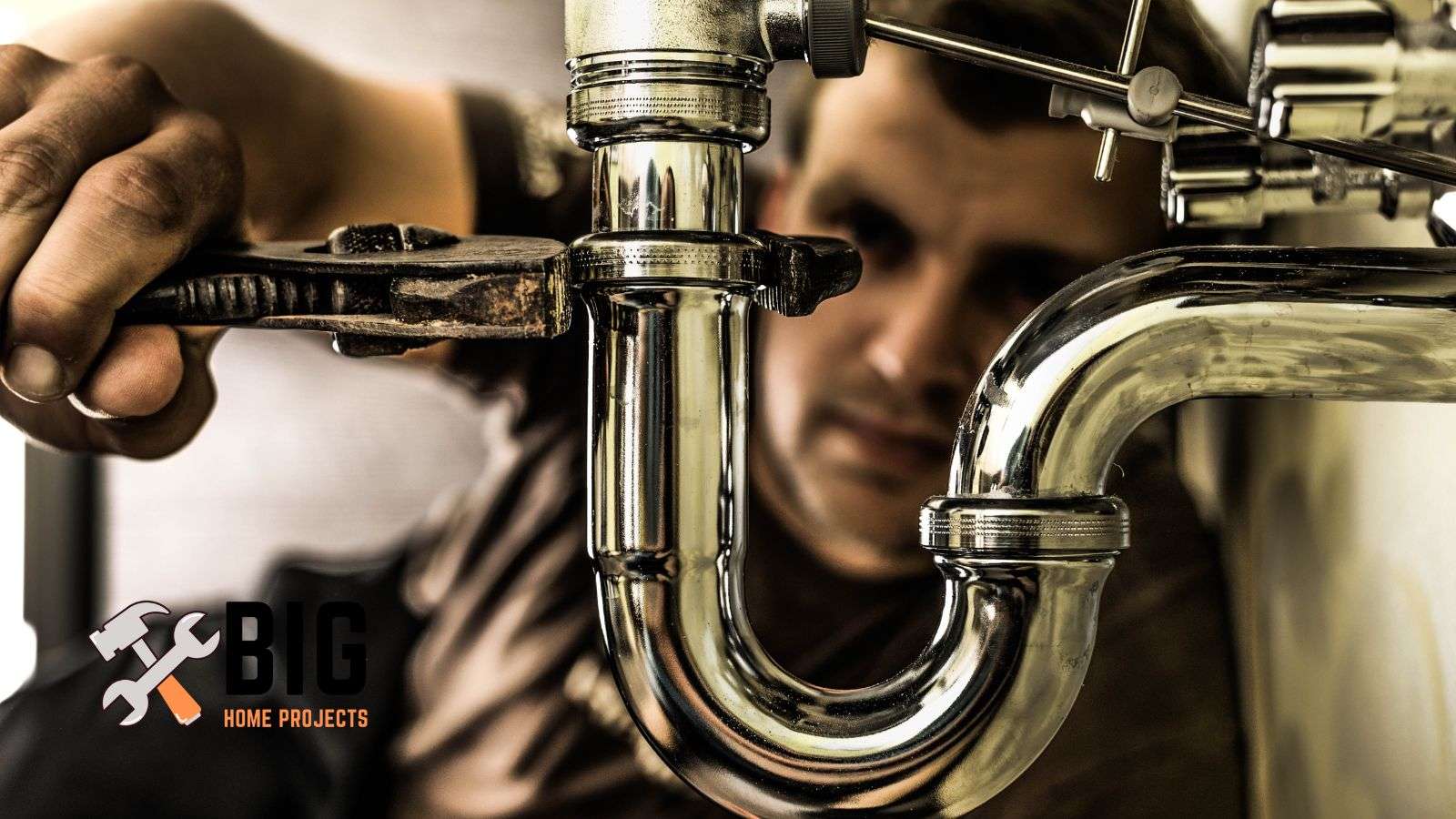
“Plumbing: a system of pipes and fixtures installed in a building for the distribution of potable water and the removal of waterborne wastes.” With this definition in mind, have you ever wondered whether plumbing is classified as mechanical or electrical work?
Let’s dive into this fascinating topic and explore how plumbers are classified.
Is plumbing mechanical or electrical work?
Plumbing work is primarily considered mechanical rather than electrical. Plumbing involves the installation, repair, and maintenance of systems that deal with water supply, drainage, and sewage in buildings.
This includes tasks such as installing pipes, fixtures, and appliances related to water and waste management.
While there may be some electrical components involved in plumbing systems, such as water heaters or pumps that require electrical connections, the core work of plumbing primarily revolves around mechanical components and systems.
Plumbers typically focus on the mechanical aspects of water flow, pressure, and drainage, including tasks like pipefitting, soldering, and using various tools to assemble and repair plumbing systems.
However, it’s worth noting that some specialized areas of plumbing may involve electrical work to a greater extent.
For example, plumbing contractors who work with advanced systems like smart plumbing or hydronic heating systems may require knowledge of electrical connections and control systems.
Nevertheless, in general, plumbing is considered a mechanical trade.
What type of engineering is plumbing classified as?
Plumbing is typically classified as a subset of the field of mechanical engineering.
Mechanical engineering involves the design, analysis, and maintenance of various mechanical systems, including those related to plumbing.
Plumbing engineering specifically focuses on the design, installation, and maintenance of plumbing systems in buildings and infrastructure.
Plumbing engineers are responsible for ensuring that water supply, drainage, and sewage systems are properly designed and implemented to meet safety, efficiency, and regulatory requirements.
Plumbing engineering involves knowledge of fluid dynamics, pipe sizing, water and waste treatment methods, and plumbing codes and standards.
Professionals in this field work closely with architects, contractors, and other stakeholders to design plumbing systems that provide adequate water supply, effective waste management, and proper sanitation.
What are the differences between mechanical and electrical engineering when it comes to plumbing?
Mechanical engineering
- Fluid dynamics: Mechanical engineers have a deep understanding of fluid mechanics, which is essential for designing and analyzing plumbing systems. They work on tasks such as calculating flow rates, pressure drops, and pipe sizing to ensure efficient water supply and drainage.
- System design: Mechanical engineers are responsible for designing the overall layout and configuration of plumbing systems. This includes determining the placement of pipes, fixtures, pumps, and valves to ensure proper functionality and optimize space utilization.
- Thermal considerations: Mechanical engineers also consider thermal aspects, such as water heating systems and insulation requirements for pipes, to ensure proper functioning of the plumbing system.
- Material selection: Mechanical engineers select appropriate materials for plumbing components, taking into account factors such as corrosion resistance, durability, and compatibility with different fluids.
Electrical Engineering
- Electrical controls: Electrical engineers may be involved in plumbing systems that require electrical control and automation. This includes tasks such as designing and installing control panels, sensors, actuators, and programmable logic controllers (PLCs) for managing water flow, pressure, and temperature.
- Pumps and motors: Electrical engineers may be responsible for the selection, installation, and wiring of pumps and motors used in plumbing systems, as these devices often require electrical connections.
- Instrumentation: Electrical engineers may work on the instrumentation and monitoring aspects of plumbing systems, such as flow meters, pressure sensors, and level indicators, which provide data for system analysis and control.
- Energy efficiency: Electrical engineers may focus on optimizing the energy efficiency of plumbing systems, such as by incorporating variable frequency drives (VFDs) to control pump speeds and reduce energy consumption.
What type of systems does plumbing engineering involve?
- Water supply systems: Plumbing engineers design and install systems that provide clean and potable water to buildings. This includes the network of pipes, valves, pumps, and fixtures that distribute water throughout the building.
- Sanitary drainage systems: Plumbing engineers design systems that remove wastewater and sewage from buildings. This includes drainage pipes, vents, traps, and sewage disposal systems.
- Stormwater management systems: Plumbing engineers are involved in the design of systems that handle stormwater runoff from buildings and surrounding areas. This can include stormwater collection systems, retention ponds, and other measures to prevent flooding and manage water runoff.
- Fire protection systems: Plumbing engineers play a role in designing and installing fire protection systems, such as sprinkler systems, fire hydrants, and fire suppression systems. These systems ensure the safety of occupants and minimize property damage in case of a fire.
- Gas distribution systems: Plumbing engineers may also be involved in the design and installation of gas distribution systems, such as natural gas or propane lines. These systems provide gas for heating, cooking, and other purposes.
- Plumbing fixtures and equipment: Plumbing engineers select and specify plumbing fixtures and equipment, such as sinks, toilets, showers, faucets, water heaters, and pumps, considering factors such as efficiency, functionality, and compliance with plumbing codes and standards.
- Water treatment systems: Plumbing engineers may be involved in the design of water treatment systems, including filtration, disinfection, and purification systems, to ensure the supply of clean and safe water.
- Sustainability and water conservation: Plumbing engineers increasingly focus on sustainable and water-efficient designs, such as incorporating low-flow fixtures, rainwater harvesting systems, greywater recycling systems, and other strategies to minimize water waste and promote environmental stewardship.
Do plumbers have to deal with electricity?
Plumbers generally do not deal directly with electricity as it falls under the domain of electricians and electrical contractors.
While plumbers focus primarily on the design, installation, and maintenance of plumbing systems related to water supply, drainage, and fixtures, they may encounter situations where they need to work in proximity to electrical components or systems.
For example, they might need to coordinate with electricians when installing water heaters, pumps, or other plumbing equipment that requires electrical connections.
However, it is crucial for plumbers to have a basic understanding of electrical safety to ensure their own well-being and to avoid any potential electrical hazards while working on plumbing installations or repairs.
What does MEP stand for?
MEP stands for Mechanical, Electrical, and Plumbing. It is an acronym commonly used in the construction and engineering industries to refer to the three major systems that are crucial for the functioning of buildings.
- Mechanical: The mechanical aspect of MEP refers to the systems that control the building’s internal environment, including heating, ventilation, and air conditioning (HVAC) systems. This includes the design, installation, and maintenance of equipment such as boilers, furnaces, chillers, air handling units, ductwork, and controls. Mechanical systems ensure that buildings have proper temperature regulation, air quality, and ventilation.
- Electrical: The electrical aspect of MEP involves the design, installation, and maintenance of electrical systems within a building. This includes power distribution, lighting, communication systems, fire alarms, security systems, and any other electrical components. Electrical systems provide the necessary power supply for lighting, appliances, equipment, and other electrical devices throughout the building.
- Plumbing: The plumbing aspect of MEP encompasses the design, installation, and maintenance of water supply and drainage systems within a building. This includes the network of pipes, valves, fixtures, and appliances that facilitate the distribution of clean water for various uses, such as drinking, bathing, and sanitation. Plumbing systems also handle the removal and disposal of wastewater and sewage from the building, ensuring proper sanitation and environmental safety.
Can plumbing be part of the electrical system?
Plumbing cannot be part of the electrical system.
Plumbing and electrical systems are distinct and separate systems in a building, each with its own purpose and components.
Plumbing systems are responsible for the distribution of water supply, the removal of wastewater and sewage, and the maintenance of sanitary conditions within the building.
This includes pipes, valves, fixtures, and appliances that are designed specifically for handling water and waste.
Electrical systems, on the other hand, deal with the distribution of electricity throughout the building.
They include wiring, outlets, switches, circuit breakers, and electrical panels. Electrical systems are responsible for providing power to lighting, appliances, equipment, and other electrical devices.
While there may be instances where plumbing and electrical systems intersect or come into proximity, such as when water heaters or pumps require electrical connections, they are still separate systems.
In these cases, proper coordination and adherence to safety protocols are necessary to ensure that the electrical and plumbing components are installed and connected correctly and safely.
Other interesting articles: