
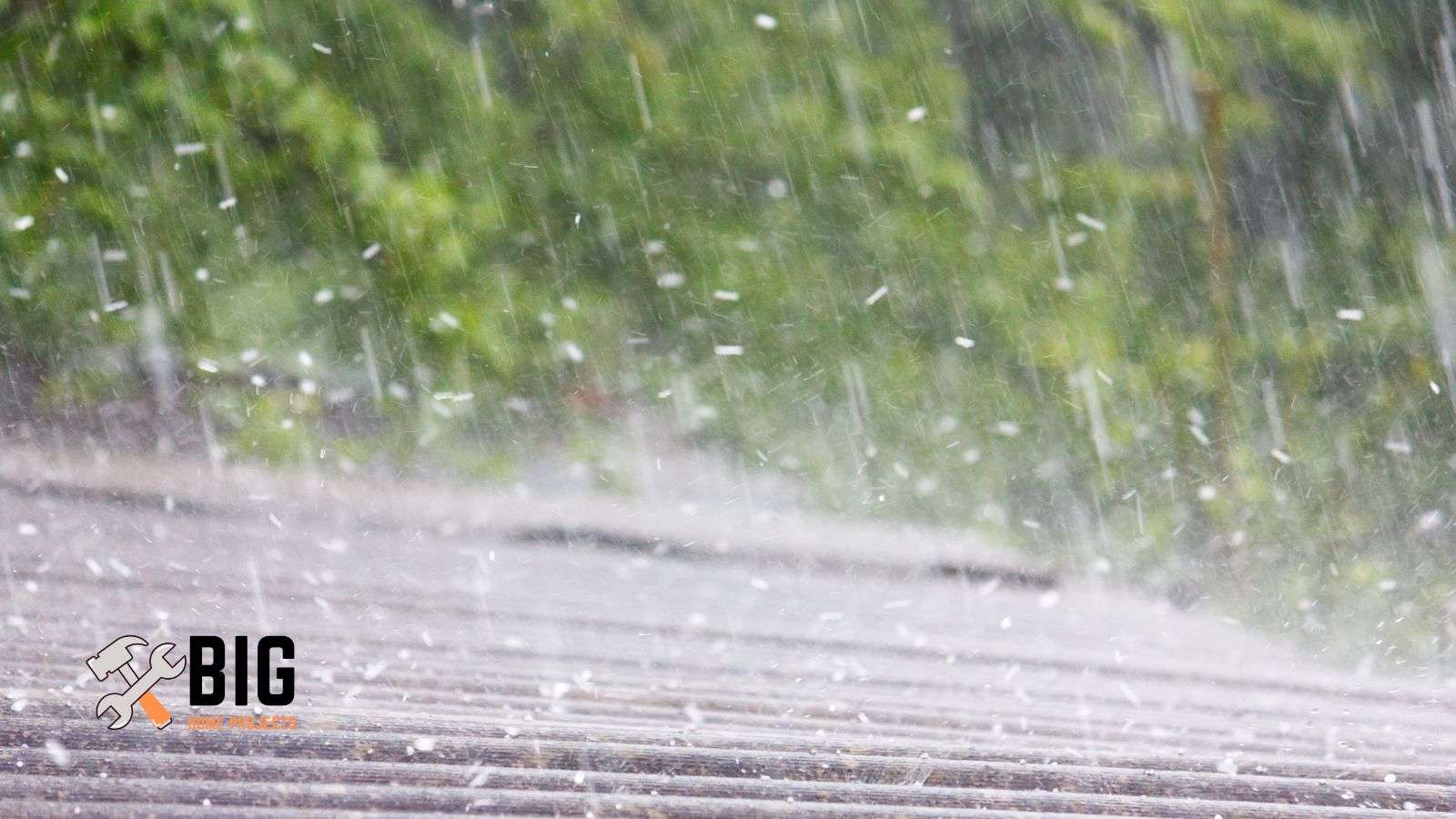
If you’re living in Texas, chances are you’ve experienced hail damage at some point. Maybe it was just a few dents, or maybe it was so bad that you had to replace your roof or your car’s windshield.
There are lots of problems that can come up when hail hits, and they can happen even if the damage isn’t immediately obvious.
If you’ve experienced hail damage to your home or business, don’t wait too long to get it repaired. The longer you wait, the more expensive it might be to fix.
What are the costliest issues if you wait to repair your roof?
1. Increased water damage
Delaying repairs for hail damage on roofs can result in increased water damage to the interior of the building.
Leaks from damaged areas can allow water to infiltrate the structure, leading to structural deterioration, mold growth, damaged insulation, and compromised electrical systems.
The longer the water damage persists, the more extensive and expensive the repairs become.
2. Higher energy costs
Hail damage often affects the energy efficiency of roofs. Cracked or broken shingles, gaps in the roof, or damaged insulation can lead to heat loss during winters or heat gain during summers.
As a result, the building’s heating, ventilation, and air conditioning (HVAC) systems have to work harder to maintain a comfortable indoor temperature, increasing energy consumption and utility bills.
3. Compromised structural integrity
Hail damage weakens the structural integrity of roofs. Over time, the compromised areas can worsen, leading to a potential roof collapse or further damage during subsequent storms.
A compromised roof structure can also affect the overall stability of the building, requiring extensive repairs or even replacement, which can be costly.
4. Escalating repair costs
The longer you wait to address hail damage, the more extensive the repairs can become. Small cracks or punctures can worsen over time, necessitating larger-scale repairs.
Delayed repairs may also allow other weather-related issues, such as water damage or mold growth, to develop, further increasing repair costs.
5. Decreased property value
A roof with unaddressed hail damage can significantly reduce the value of a property.
Potential buyers or insurers may view it as a liability, leading to decreased property value or difficulty obtaining insurance coverage.
This can be particularly problematic if you plan to sell the property in the future.
6. Insurance claim denials
Insurance policies typically have specific time limits for filing claims related to hail damage.
If you wait too long to file a claim, your insurance company may deny coverage, leaving you solely responsible for the repair costs.
7. Safety hazards
Neglecting hail damage on roofs can pose safety hazards to occupants. Compromised roofs may increase the risk of collapse, especially during severe weather events.
Also, water damage and mold growth can lead to health issues for the building’s occupants.
What are the long-term effects of hail damage on roofs in Texas?
Roof leaks
Hail can cause cracks or punctures in roofing materials such as shingles, tiles, or metal panels.
Over time, these damaged areas can lead to roof leaks when rainwater seeps through. If not promptly repaired, the leaks can result in water damage to the underlying structure, insulation, or interior spaces of the building.
Weakened roof structure
Hail can weaken the structural integrity of the roof. The impact from large hailstones can dislodge or break roofing materials, compromising the roof’s ability to withstand future storms.
This can make the roof more susceptible to further damage and increase the risk of collapse in extreme cases.
Decreased lifespan
Hail damage can significantly reduce the lifespan of a roof.
The compromised integrity of the roofing materials can accelerate natural wear and tear, causing premature aging. As a result, the roof may require replacement or extensive repairs earlier than anticipated.
Increased energy costs
Hail damage can affect the energy efficiency of a roof. Cracked or broken shingles can disrupt the insulation properties, allowing heat or cold air to escape or enter the building.
This can lead to increased energy consumption for heating or cooling, resulting in higher utility bills over time.
Mold and mildew growth
If hail damage results in roof leaks, the moisture intrusion can create an environment conducive to mold and mildew growth.
Mold infestations can spread throughout the building, causing health issues and necessitating costly remediation efforts.
Decreased property value
Hail damage can negatively impact the value of a property.
A damaged roof can be a red flag for potential buyers or insurers, who may perceive it as a sign of inadequate maintenance or potential future problems.
This can lead to decreased property value and difficulty selling or insuring the property.
Insurance premiums and coverage
After experiencing hail damage, insurance premiums may increase, and coverage terms may be adjusted. Insurers might view properties with a history of hail damage as higher-risk, resulting in adjustments to policy terms or increased premiums.
How can homeowners inspect for hail damage?
- Safety first: Before inspecting the roof, ensure your safety. Use a sturdy ladder and take the necessary precautions to prevent falls or accidents. If you’re not comfortable or lack the expertise, consider hiring a professional roofing contractor for the inspection.
- Exterior roof inspection: Start by examining the roof from the ground, looking for signs of damage. Look for dented or missing shingles, cracked tiles, or any obvious signs of impact. Binoculars can be helpful to get a closer look at the roof surface.
- Check gutters and downspouts: Inspect the gutters and downspouts for any accumulation of granules from the roofing material. Hail damage can cause shingles to lose granules, which may collect in the gutters. Excessive granule loss can indicate damage.
- Inspect flashings: Flashings are metal pieces that protect vulnerable areas of the roof, such as vents, chimneys, or skylights. Check for dents, dings, or other signs of impact on the flashings. Damaged flashings can lead to leaks and water intrusion.
- Check for shingle damage: If it is safe to do so, climb onto the roof for a closer inspection. Look for shingles that are cracked, torn, or have visible dents from hail impact. Pay attention to areas where the granules have been knocked off, exposing the underlying material.
- Examine soft metal components: Hail damage can affect soft metal components such as gutters, downspouts, or roof vents. Look for dents, dings, or other signs of impact on these components.
- Check for water stains or leaks: Inside the attic or the ceiling of the top floor, look for water stains or signs of moisture. Hail damage can lead to roof leaks, so any signs of water intrusion should be investigated further.
What size hail can cause damage to roofs?
Quarter-sized hail (approximately 1 inch in diameter)
This size of hail can potentially harm roofs, especially if strong winds are present or if the roofing materials are older or more vulnerable.
Golf ball-sized hail (approximately 1.75 inches in diameter)
Hailstones of this size can cause noticeable damage to roofs. They can crack or puncture shingles, cause dents in metal roofing, and dislodge or break tiles.
Baseball-sized hail (approximately 2.75 inches in diameter)
Hailstones of this size are more likely to cause significant damage to roofs. They can cause severe dents, fractures, or even penetration of roofing materials. They can also damage flashing, gutters, and other roof components.
Softball-sized hail (approximately 4 inches or larger in diameter)
Hailstones of this size can cause extensive damage to roofs. They can severely dent or fracture roofing materials, break or dislodge tiles or shingles, and potentially cause structural damage to the roof.
What are the common signs of hail damage on roofs?
- Dented or bruised shingles: Hail impact can cause dents or bruises on asphalt shingles. These dents may appear as dark spots where the granules have been displaced or knocked off. Dents can be more noticeable on the softer side of the shingles.
- Cracked or split shingles: Hailstones can cause cracks or splits in shingles, especially when the impact is forceful. These cracks may be visible as lines or fractures on the surface of the shingle.
- Missing granules: Hail damage can dislodge granules from asphalt shingles. Look for excessive granule loss in the gutters or downspouts. The absence of granules can expose the underlying material and make the shingles more vulnerable to deterioration.
- Exposed or damaged underlayment: Hail can damage the underlayment beneath the shingles. You might notice tears, punctures, or exposed areas on the underlayment if the hail impact displaces or lifts the shingles.
- Cracked or broken tiles: For roofs with clay or concrete tiles, hail can cause visible cracks or fractures on the tiles. Look for any chipped or broken tiles across the roof surface.
- Metal roofs with dents or bends: Hail damage can leave metal roofs with dents, dings, or dimples. These dents may be apparent on the metal panels or flashings.
- Damaged roof vents or chimney caps: Hail impact can damage the roof vents, chimney caps, or other protrusions on the roof. Look for dents, dings, or bent components in these areas.
- Roofing system leaks: Hail damage can lead to roof leaks over time. If you notice water stains, dampness, or signs of moisture inside the attic or on the ceiling, it may indicate hail-related damage that has resulted in water infiltration.
How do you deal with hail damage properly?
- Document the damage: Take photographs or videos of the hail damage on your property, including the roof, siding, windows, and any other affected areas. These records will be important when filing an insurance claim.
- Contact your insurance company: Notify your insurance company about the hail damage as soon as possible. Provide them with a detailed description of the damage and share the documentation you collected. Follow their instructions regarding the claim process and any required documentation.
- Schedule a professional inspection: Engage a reputable roofing contractor or a qualified professional to conduct a thorough inspection of your roof and other affected areas. They can provide a detailed assessment of the damage, identify hidden issues, and recommend appropriate repairs.
- Obtain repair estimates: Request repair estimates from multiple contractors to ensure you have a clear understanding of the scope of work and associated costs. These estimates will help you make informed decisions and negotiate with your insurance company, if necessary.
- Review insurance coverage: Familiarize yourself with your insurance policy to understand the coverage, deductibles, and limitations for hail damage. Be prepared to discuss these details with your insurance company and ensure you’re aware of any deadlines for filing claims.
- File an insurance claim: Follow the procedures outlined by your insurance company to file a claim for hail damage. Provide them with all necessary documentation, including the inspection report and repair estimates. Keep records of all communication with your insurance company throughout the claims process.
- Coordinate repairs: Once you’ve received approval from your insurance company, schedule the repairs with a reputable contractor. Ensure they have experience in hail damage repairs and use quality materials.
- Monitor the repair process: Stay engaged throughout the repair process. Regularly communicate with the contractor to ensure the work is progressing as planned. Address any concerns promptly to avoid further complications.
- Conduct a final inspection: After the repairs are completed, perform a final inspection to ensure the work has been done satisfactorily. Verify that all necessary repairs have been made and that the property has been restored to its pre-damage condition.
How can a homeowner figure out if their insurance policy will cover hail damage?
- Review your insurance policy: Carefully read through your homeowner’s insurance policy, paying close attention to the sections that discuss property damage, perils, and covered events. Look for specific mentions of hail damage or weather-related perils.
- Identify covered perils: Insurance policies typically list covered perils, which are events or circumstances that the policy provides coverage for. Hail damage is often included as a covered peril, but the extent of coverage may vary depending on the policy and the insurance provider.
- Understand policy exclusions: Check if your insurance policy includes any exclusions related to hail damage. Exclusions are circumstances or situations explicitly not covered by the policy. For example, some policies may exclude cosmetic damage from hail, while others may have specific restrictions based on the age of the roof or other factors.
- Check deductible: Determine your policy’s deductible, which is the amount you must pay out of pocket before your insurance coverage kicks in. It’s important to know this amount to understand your financial responsibility in the event of a claim.
- Consult with your insurance agent: If you have questions or need clarification about your coverage, contact your insurance agent or representative. They can provide specific details about your policy and explain the coverage limits, deductibles, and any additional options available to you.
- Consider additional coverage: Depending on your policy, you may have the option to add additional coverage for hail damage or choose a policy with broader coverage. This may come with an increased premium, but it could provide more comprehensive protection for your property.
- Document the condition of your property: Before any hail damage occurs, it’s a good practice to document the condition of your property through photographs or videos. This documentation can serve as evidence of the pre-damage condition of your property, which may be useful when filing a claim.
What is the process for filing a hail damage claim?
When filing a hail damage claim, homeowners should follow a structured process.
Firstly, they need to contact their insurance company promptly to report the damage. It is essential to document the hail damage thoroughly by taking photographs or videos as evidence.
Next, obtaining repair estimates from reputable contractors is crucial to accurately assessing the cost of repairs.
Once the necessary documentation is gathered, homeowners can file the claim by completing the required forms provided by the insurance company.
Throughout the claims process, it is important to cooperate with the insurance company’s adjuster, provide any additional information they request, and maintain records of all communication for reference.
What is the average cost of repairing hail damage?
The average cost of repairing hail damage can vary significantly depending on the extent of the damage, the type of property, and the materials used.
The average cost of repairing a roof can cost around $6 to $12 per square foot.
In Texas, it’s been estimated that the cost of repairing a roof from hail damage averages around $4,500. This consists of minor repairs ranging from $200 to severe damages costing as much as $30,000.
Unfortunately, it’s difficult to provide a specific cost without knowing the specifics of the damage. It’s recommended to obtain multiple repair estimates from qualified contractors to get a better idea of the costs involved.
How long can you wait until you get your hail-damaged roof repaired?
You should take action to address hail damage promptly to prevent further issues. While there is no strict deadline for repairing a hail-damaged roof, delaying repairs can lead to additional damage, such as water leaks or deterioration.
It’s best to contact a roofing professional as soon as possible after hail damage is discovered to assess the situation and determine the appropriate repair timeline.
Should you wait until hail season is over to call your insurance company?
It’s generally recommended to report hail damage to your insurance company as soon as possible, even during hail season.
It’s not advisable to wait until hail season is over to call your insurance company if you suspect hail damage. It’s important to report the damage to your insurance company as soon as possible after discovering it.
Delaying the notification could potentially complicate the claims process or even affect your coverage.
Waiting until the end of hail season to report the damage may create difficulties in establishing the exact date of the hailstorm and proving that the damage occurred during the coverage period.
Reporting the damage as soon as you notice it helps ensure a smoother claims process and increases the likelihood of a successful resolution.
What is the statute of limitations on hail damage in Texas?
The statute of limitations for filing a claim for hail damage in Texas can vary depending on the specific circumstances and the terms of your insurance policy.
In Texas, the statute of limitations for filing a hailstorm claim is typically two years from the date of the event.
Just make sure you are aware of this timeframe to ensure that any necessary claims are filed within the specified period.
Typically, it’s advisable to review your insurance policy and consult with your insurance company or a legal professional to understand the specific limitations and requirements.
What is the best way to avoid costly hail damage?
To avoid costly hail damage, homeowners can take proactive measures.
Regular roof inspections help identify any vulnerabilities or maintenance issues that can be addressed before hailstorms occur.
Reinforcing the roof with impact-resistant materials provides added protection against hail damage. Trimming trees and branches near the property minimizes the risk of falling debris during a hailstorm.
Securely storing or moving outdoor items before a hailstorm can prevent damage to vehicles, furniture, and equipment.
Also, installing protective coverings such as hail-resistant shutters or screens on windows helps safeguard them from hail impact.
Other interesting articles: