
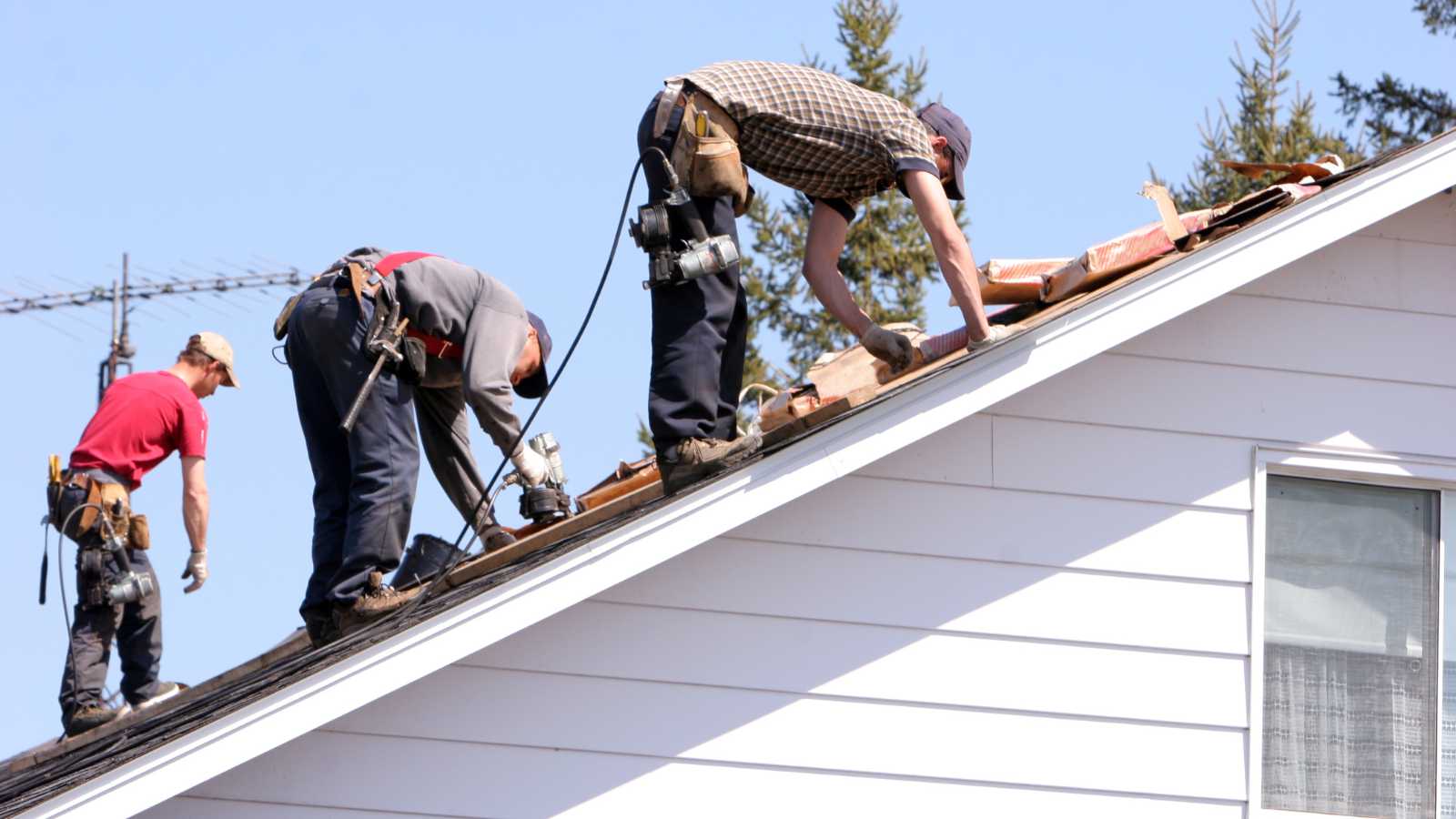
Deciding between re-roofing and roof restoration is more than just a cost comparison—it’s about value, durability, and investment in your property’s future. Each option offers its own distinct advantages and potential drawbacks, depending on your specific situation. In this article, we’ll dive deep into the nuanced considerations of both re-roofing and roof restoration, helping you make an informed choice that aligns with your long-term objectives.
Cost Analysis: Re-Roofing vs Roof Restoration to Reduce Overall Depreciation Cost
When considering the cost analysis of re-roofing versus roof restoration, it’s essential to look at the financial implications in both the short and long term. Re-roofing typically ranges from $5,000 to $20,000 for an average-sized residential home, depending on the materials used and the complexity of the job. For instance, asphalt shingles might cost around $3.50 to $5.50 per square foot, while metal roofing can range from $7 to $12 per square foot. The upfront investment can be significant, but it generally results in a new roof with a lifespan of 20-30 years, which can significantly increase the property’s value and reduce future maintenance costs.
On the other hand, roof restoration often costs between $2,000 and $10,000, making it a more budget-friendly option initially. Restoration methods, such as applying a reflective coating or repairing specific areas, can extend the life of the existing roof by 5-15 years depending on its condition. While the restoration approach can save money upfront and minimize disruption, it may not offer the same longevity as a complete replacement. For example, if a business owner decides to restore a roof for $7,000 rather than re-roofing for $15,000, they could potentially save $8,000 initially; however, they must consider the longer-term implications of having to restore again sooner than they would need to replace.
Ultimately, the decision hinges on individual circumstances such as the roof’s current condition, local market conditions, and long-term goals. For instance, if a homeowner plans to sell their property within a few years, investing in a full re-roof may yield a better return on investment due to increased curb appeal and property value. Conversely, if budget constraints are a primary concern and the roof is still in relatively good condition, restoration may be the more prudent choice. Engaging with contractors listed on platforms like Big Home Projects can help homeowners receive estimates tailored to their specific needs and make an informed decision based on comprehensive insights and reviews.
5 Critical Considerations Before Making Your Decision
1. Current Condition of Your Roof
Before deciding between re-roofing and roof restoration, assess the current condition of your roof thoroughly. Look for signs of damage, such as missing shingles, leaks, or mold growth. A professional inspection can provide insights into the roof’s structural integrity, helping you determine if restoration is feasible or if a complete replacement is necessary. Rarely mentioned is the importance of checking the underlying decking; if it’s compromised, restoration might not be a viable option.
2. Budget Constraints
Your budget plays a critical role in this decision. While re-roofing offers a long-term solution, it generally demands a higher initial investment compared to restoration. Consider not only the upfront costs but also long-term expenses like maintenance and potential increases in property value. It’s often overlooked that some roofing contractors may offer financing options or payment plans, which can help ease the financial burden while ensuring quality work is done.
3. Long-Term Property Plans
Evaluate your long-term plans for the property. If you intend to stay in your home for many years, investing in a new roof could be more beneficial in the long run due to its extended lifespan and potential energy savings. Conversely, if you plan to sell soon, restoration may enhance resale value without the larger expenditure of a full re-roof. A rarely mentioned aspect is understanding how local market trends can influence buyer preferences; an appealing, well-maintained roof can significantly enhance curb appeal.
4. Environmental Impact
Considering the environmental implications of your choice can lead to more sustainable roofing solutions. Roof restoration is generally more eco-friendly since it reduces waste by extending the life of existing materials. many restoration products are designed to improve energy efficiency, reducing cooling costs and the overall carbon footprint of your home. A lesser-known fact is that some municipalities offer incentives or rebates for energy-efficient roofing solutions, which can offset costs significantly.
5. Contractor Expertise and Options
Choosing the right contractor is the key to ensuring quality workmanship and reliable results. Look for contractors who specialize in both re-roofing and restoration to provide tailored advice based on your specific situation. It’s important to check their credentials, customer reviews, and warranties offered. Many homeowners overlook the benefits of consulting multiple contractors to gather different perspectives and estimates. Platforms like Big Home Projects can facilitate this process by connecting you with verified contractors who can help you make an informed decision tailored to your needs.
How Does Each Option Impact Long-Term Property Value?
The impact of re-roofing on long-term property value is significant, as a new roof can enhance both the aesthetic appeal and structural integrity of a home. According to Remodeling Magazine’s Cost vs. Value report, homeowners can expect to recoup approximately 60–70% of their investment in a new roof when selling their property. This substantial return is particularly evident in markets where buyers prioritize move-in-ready homes, as a brand-new roof signals that the property has been well-maintained and is less likely to require immediate repairs.
In contrast, roof restoration offers a different financial dynamic regarding property value. While it can improve the roof’s appearance and extend its lifespan, the increase in property value may not be as pronounced as with a full replacement. For instance, if a homeowner spends $7,000 on restoration, they might only see a modest increase in value, potentially around 30–40% of that cost upon sale. This could be beneficial for homeowners who are looking to maintain their property without incurring the higher costs associated with full re-roofing. However, if the restoration does not address underlying issues, it could lead to future costs and negatively affect the property’s marketability.
Ultimately, the choice between re-roofing and restoration should be considered in the context of the local real estate market and the specific characteristics of the property. In areas where high-quality roofing is a selling point, investing in a new roof may provide a stronger competitive edge. Conversely, in markets where buyers are more focused on price than aesthetics or where restoration products are known for durability and efficiency, a well-executed roof restoration could still lead to favorable outcomes in terms of property value without the hefty upfront costs associated with a complete replacement.
What Are the Immediate Cost Implications of Re-Roofing Versus Roof Restoration?
The immediate cost implications of re-roofing can be substantial, with average costs ranging from $5,000 to $20,000 for a residential roof, depending on the size and materials used. For example, installing a new asphalt shingle roof might cost between $3.50 and $5.50 per square foot, while premium materials like slate or metal can increase costs significantly, sometimes exceeding $12 per square foot. This upfront investment includes not only materials but also labor, which can account for 60% of the total project cost. Homeowners must also consider potential hidden costs, such as the need for structural repairs or code compliance updates that can arise during a full replacement.
In contrast, roof restoration is generally more budget-friendly, with costs typically ranging from $2,000 to $10,000. Restoration methods, such as applying a reflective coating or patching specific areas, can significantly lower expenses since they avoid the labor-intensive process of complete tear-off and replacement. For instance, a roof restoration project on a 1,500-square-foot home using a reflective coating might cost around $4,500, compared to the $10,000 needed for re-roofing. However, while restoration can save money in the short term, it’s crucial to evaluate whether this option will meet long-term needs and how it may affect future maintenance costs.
Immediate cost implications also include potential financing options available for both choices. Many roofing contractors offer payment plans for re-roofing projects, given their higher initial costs. Conversely, since restoration tends to be less expensive overall, homeowners might find it easier to pay upfront without resorting to financing. Ultimately, understanding these immediate costs is essential for homeowners to make informed decisions based on their financial situation and the specific needs of their roofs.
Can Big Home Projects assist in finding reliable roofing contractors?
Big Home Projects can significantly assist homeowners in finding reliable roofing contractors by providing a comprehensive directory of service providers across various trades, including roofing. The platform features a range of contractors who are vetted for their qualifications and experience, ensuring that users can connect with professionals who meet specific standards. This is particularly important in the roofing industry, where hiring an unqualified contractor can lead to poor workmanship and costly repairs down the line.
One of the standout features of Big Home Projects is the inclusion of customer reviews and ratings for each contractor listed. This feedback not only provides insights into the quality of work but also highlights the reliability and professionalism of the contractors. For example, a contractor with numerous positive reviews and high ratings can indicate a strong reputation within the community. With the average cost of roof repairs and replacements often exceeding $5,000, making an informed decision is crucial, and consumer feedback can be an invaluable resource in selecting the right professional.
Big Home Projects offers tools for homeowners to request free estimates from multiple contractors, facilitating comparisons of services and pricing. This approach allows homeowners to assess different options based on both cost and quality, enabling them to make more informed decisions tailored to their specific needs. the platform’s focus on connecting contractors with potential clients fosters a community where homeowners can ask questions and share experiences, further enhancing the decision-making process when selecting a roofing contractor.
What Are the Longevity Expectations for Each Roofing Method?
When considering the longevity of re-roofing, homeowners can expect a new roof to last significantly longer than restoration options. For example, asphalt shingles typically have a lifespan of 20 to 30 years, while more durable materials like metal or slate can last 40 to 70 years or more. The longevity of a new roof largely depends on the quality of materials used, the installation process, and the local climate conditions. In areas prone to severe weather, such as hail or heavy winds, investing in higher-quality roofing materials can provide greater durability and extend the roof’s lifespan.
In contrast, roof restoration tends to offer a shorter lifespan compared to full re-roofing. While restoration can effectively extend the life of an existing roof by an additional 5 to 15 years, it does not typically match the longevity of a new roof. For instance, applying a reflective coating might provide an extra 10 years of service for a flat roof, but once the underlying materials begin to deteriorate, the effectiveness of restoration diminishes. Homeowners should consider that restoration is often more of a temporary solution, delaying the need for a complete replacement rather than offering a long-term fix.
Ultimately, understanding the longevity expectations for each roofing method is essential for homeowners when making their decision. If long-lasting protection and minimal future maintenance are priorities, re-roofing may be the better choice, despite its higher initial costs. However, if budget constraints exist and the roof is still in decent condition, restoration can provide a viable short-term solution while allowing homeowners time to plan for a future re-roofing project.
How Do Environmental Factors Influence the Choice Between Re-Roofing and Roof Restoration?
Environmental factors play a big role in influencing the decision between re-roofing and roof restoration, particularly regarding climate and weather conditions. For instance, regions that experience extreme temperatures, heavy rain, or significant snowfall may require roofs that can withstand these elements for longer periods. In such cases, re-roofing with high-quality materials like metal or tile can provide the durability needed to protect the property effectively. According to the National Roofing Contractors Association (NRCA), roofs in harsher climates may need to be replaced more frequently, making the investment in a new, resilient roof a more prudent long-term decision.
The local environment can impact the type of roofing materials used for either method. In areas with high sunlight exposure, reflective coatings during a roof restoration can significantly improve energy efficiency by reducing heat absorption and lowering cooling costs. This can be particularly beneficial in hot climates, where homeowners could see energy savings of up to 20% due to reduced cooling needs. However, if the existing roof is already severely compromised by environmental factors, restoration may not be sufficient, necessitating a full re-roofing to ensure long-term protection against the elements.
Environmental considerations such as sustainability and waste management are increasingly influencing homeowner choices. Roof restoration is often viewed as a more environmentally friendly option because it minimizes waste by extending the life of existing materials rather than disposing of them in landfills. Many roofing contractors now offer eco-friendly materials and techniques, allowing homeowners to choose solutions that align with their values. Ultimately, understanding how environmental factors affect roofing decisions can help homeowners select the most suitable option for their specific circumstances while contributing to broader sustainability goals.
Leveraging Big Home Projects to Find Roofing Experts Specialized in Structural Dynamics
Leveraging Big Home Projects can be an effective way to find roofing experts who specialize in structural dynamics, which is essential for ensuring that roofs not only look good but also function well in terms of load-bearing and environmental resilience. The platform offers a directory of contractors with various specialties, including those trained in understanding the intricacies of structural dynamics, such as load distribution, material behavior, and the effects of weather conditions on roofing systems. This specialized knowledge is particularly important in regions prone to extreme weather or seismic activity, where a roof must withstand significant stress over time.
By utilizing Big Home Projects, homeowners can access detailed profiles of roofing professionals, including their qualifications, experience, and specific areas of expertise. For example, a contractor might highlight their work on projects involving complex roof designs or those that require adherence to strict building codes related to structural integrity. The ability to read customer reviews adds another layer of assurance, as potential clients can glean insights into how well a contractor handles challenges related to structural dynamics. According to a survey by HomeAdvisor, 80% of homeowners consider online reviews an essential factor in choosing a contractor, underscoring the importance of accessing verified information through platforms like Big Home Projects.
Big Home Projects facilitates direct communication between homeowners and roofing contractors, allowing for inquiries about specific services related to structural dynamics. This can be particularly beneficial for homeowners planning major renovations or those with unique architectural designs that require tailored roofing solutions.
Leave a Reply
You must be logged in to post a comment.